
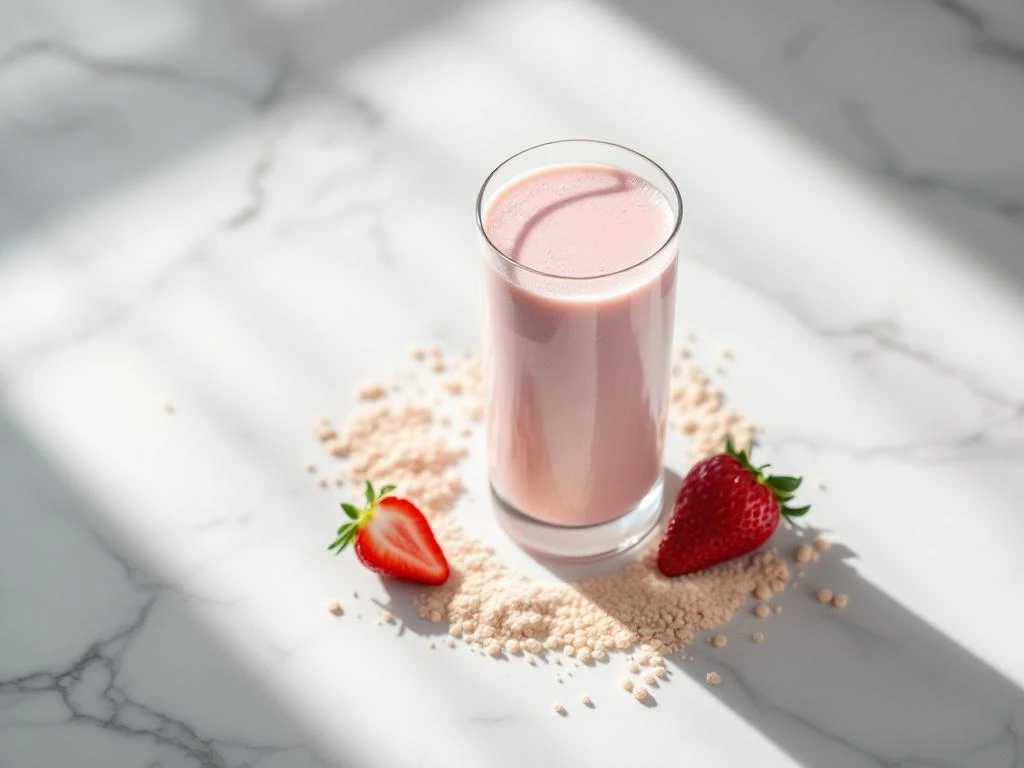
When you’re managing IBS and following a low FODMAP diet, finding quick breakfast options that don’t trigger symptoms can feel challenging. A lactose-free protein smoothie offers the perfect solution. You get essential nutrients, satisfying protein, and a meal that’s gentle on your digestive system.
This guide is suitable for beginners with no special cooking skills required. You’ll need about 10 minutes to prepare your smoothie, plus a few minutes for cleanup. The essential tools include a blender (any standard blender works), measuring cups and spoons, and basic storage containers if you’re meal prepping.
By following these steps, you’ll create a delicious, IBS-friendly smoothie that supports your digestive health without compromising on taste or nutrition. You’ll also learn how to customise your smoothie safely and prepare batches ahead for busy mornings.
Why lactose-free protein smoothies work for IBS
Traditional dairy products contain lactose, which many people with IBS struggle to digest properly. When lactose isn’t broken down effectively, it can ferment in your gut and cause bloating, gas, and discomfort. A lactose-free protein smoothie eliminates this trigger whilst still delivering the protein your body needs.
Protein plays a vital role in managing IBS symptoms. It helps you feel full longer, stabilises blood sugar levels, and supports muscle maintenance. Unlike high FODMAP carbohydrates that can trigger digestive distress, protein digests more slowly and doesn’t ferment in your gut. This makes it an ideal macronutrient for your low FODMAP breakfast.
Smoothies also offer a gentle way to consume nutrients when your digestive system feels sensitive. The blending process breaks down fibre and makes ingredients easier to digest. You can pack vitamins, minerals, and protein into one glass without overwhelming your gut. This makes a digestive-friendly smoothie particularly useful during flare-ups or when you need quick nutrition on busy mornings.
Essential ingredients for your smoothie base
The foundation of any good lactose-free protein smoothie starts with your liquid base. Lactose-free milk works perfectly if you enjoy dairy flavour without the digestive issues. Most lactose-free milk products have the lactose already broken down, making them safe for low FODMAP diets in servings up to 250ml. Alternatively, almond milk (made from almonds, not almond meal) is naturally low FODMAP in servings up to 250ml and adds a subtle nutty flavour.
Your protein powder selection matters significantly for both taste and digestive comfort. Lactose-free whey protein isolate contains minimal lactose because the isolation process removes most of it. Check labels to confirm lactose content stays below 1g per serve. Plant-based options include pea protein isolate, rice protein, or hemp protein. Avoid protein powders with added inulin, chicory root, or high FODMAP sweeteners like honey or agave.
For texture and nutritional balance, consider adding half a frozen banana (firm, unripe bananas are lower in FODMAPs). The frozen fruit creates a thick, creamy consistency without needing ice that can dilute flavour. You can also use 2 tablespoons of rolled oats (certified gluten-free) to add body and staying power to your smoothie. Oats are low FODMAP up to 52g and provide beneficial soluble fibre.
Reading protein powder labels
Look for products with simple ingredient lists. The protein source should appear first, followed by natural flavourings. Avoid powders listing fructose, honey, inulin, or artificial sweeteners ending in ‘ol’ (like sorbitol or xylitol). These ingredients can trigger IBS symptoms even in small amounts. Stevia and monk fruit extract are safe low FODMAP sweetener options.
Add low FODMAP fruits and flavour enhancers
Berries make excellent additions to your low FODMAP smoothie. Strawberries (10 medium), blueberries (20 berries), and raspberries (30 berries) all fall within safe serving sizes. These portions give you antioxidants and natural sweetness without exceeding FODMAP limits. Frozen berries work just as well as fresh and often cost less.
A firm, unripe banana (half for one smoothie) adds natural sweetness and creamy texture. As bananas ripen, their FODMAP content increases, so stick with greenish-yellow bananas rather than spotty brown ones. Kiwi fruit (2 kiwis) provides vitamin C and a tropical flavour note. Citrus works too, with juice from half an orange or a whole lime adding brightness without FODMAPs.
Natural flavour enhancers transform a basic smoothie into something special. Pure vanilla extract (1 teaspoon) adds warmth and depth. Ground cinnamon (1 teaspoon) provides spice and may help regulate blood sugar. Unsweetened cocoa powder (1 tablespoon) creates a chocolate smoothie without added sugar. All these additions are low FODMAP and won’t trigger symptoms.
If you need extra sweetness, use pure maple syrup (1 tablespoon maximum) or a pinch of stevia. Avoid honey, agave nectar, and high fructose sweeteners. Remember that natural fruit sugars count towards your daily FODMAP load, so measure portions carefully rather than adding fruit freely.
Blend your lactose-free protein smoothie perfectly
The order you add ingredients affects your final texture. Start with your liquid base (250ml lactose-free milk or almond milk) in the blender first. This prevents the blades from jamming and helps everything blend smoothly. Add your protein powder next (one scoop, typically 25-30g), then your frozen fruit and any other solid ingredients.
Blend on low speed for 10 seconds to combine the liquid and powder. This prevents protein powder from clumping or sticking to the sides. Then increase to high speed and blend for 45-60 seconds until completely smooth. You should see no chunks of fruit or streaks of powder remaining.
Check your consistency. A proper smoothie should pour easily but coat the back of a spoon. Too thick? Add 2-3 tablespoons more liquid and blend for 10 seconds. Too thin? Add half a frozen banana or a handful of ice cubes and blend again. The frozen elements create thickness without watering down flavour.
Troubleshooting texture problems
If your smoothie separates after sitting, this is normal with natural ingredients. Simply stir before drinking or give it a quick 10-second blend. Grittiness usually comes from protein powder that hasn’t dissolved properly. Blend longer on high speed, or try mixing your protein powder with a small amount of liquid before adding it to the blender. Some protein powders naturally have a grainier texture, particularly plant-based options.
Foam on top happens when you blend too long or too vigorously. It’s harmless but can be unappealing. Blend just until smooth, then let your smoothie sit for 30 seconds before pouring. The foam will settle slightly. You can also scoop it off before drinking if it bothers you.
Customise your smoothie with safe additions
Once you’ve mastered the basic dairy-free protein shake, you can personalise it with carefully measured additions. Peanut butter or almond butter (1 tablespoon) adds healthy fats and rich flavour. Stick to smooth nut butters made from just nuts and salt. Some brands add high FODMAP ingredients like honey or inulin, so read labels carefully.
Seeds provide extra nutrition without FODMAPs. Add 1 tablespoon of chia seeds for omega-3 fatty acids and additional protein. Ground flaxseed (1 tablespoon) offers similar benefits and blends more smoothly. Both seeds also add thickness as they absorb liquid, creating an even creamier texture.
A handful of fresh spinach (about 30g) boosts your smoothie’s nutrient content without affecting the taste. Spinach is low FODMAP in servings up to 75g and blends completely invisible in berry or chocolate smoothies. This is an easy way to add vegetables to your low FODMAP breakfast without any digestive concerns.
Understanding FODMAP stacking
Even low FODMAP foods can cause problems when you combine too many in one meal. This is called FODMAP stacking. Each ingredient might be safe individually, but together they add up to a problematic total. When customising your gluten-free protein smoothie, stick to 2-3 additions beyond your base recipe. This keeps your total FODMAP load manageable whilst still allowing variety.
Pay particular attention when combining fruits. Half a banana plus a handful of berries is fine. Adding kiwi, orange juice, and berries together might push you over safe limits. Track how you feel after different combinations and adjust accordingly. Your individual tolerance may vary from general guidelines.
Store and prep smoothies for busy mornings
Preparing smoothie ingredients ahead saves precious morning time. Create freezer-friendly smoothie packs by portioning your dry and frozen ingredients into individual bags or containers. Add your measured fruit, protein powder, oats, and any other solid ingredients to each bag. Label with the date and liquid amount needed. In the morning, dump one pack into your blender, add liquid, and blend.
You can refrigerate a blended smoothie for up to 24 hours in an airtight container. Fill the container to the top to minimise air exposure, which causes oxidation and browning. Give it a good shake or quick blend before drinking, as ingredients may settle. The texture won’t be quite as perfect as freshly blended, but it’s still perfectly drinkable and nutritious.
Some people prefer freezing fully blended smoothies in individual portions. Pour your smoothie into freezer-safe jars, leaving 2cm of space at the top for expansion. Freeze for up to 3 months. Thaw overnight in the refrigerator or blend the frozen smoothie with a splash of extra liquid for a thicker, frostier texture.
Preventing oxidation and maintaining freshness
Fresh smoothies taste best, but prep-ahead versions work well when you understand a few preservation tricks. Adding a squeeze of lemon or lime juice helps prevent browning in smoothies containing banana or other fruits that oxidise quickly. The citric acid acts as a natural preservative without adding significant FODMAPs.
Store your prepped smoothie packs at the back of your freezer where temperature stays most consistent. Freeze fruits in a single layer on a tray before bagging them to prevent clumping. This makes it easier to measure exact portions and ensures even blending. Keep your protein powder in a cool, dry place rather than the freezer, as moisture can make it clump.
With these strategies in place, you can enjoy a nutritious IBS-friendly smoothie any morning without the stress of measuring ingredients whilst half-awake. The few minutes you spend on Sunday prepping pays off all week long.
Creating a satisfying lactose-free protein smoothie that supports your digestive health doesn’t require complicated recipes or hard-to-find ingredients. You’ve now got the knowledge to build smoothies that taste great, provide lasting energy, and respect your low FODMAP needs. Start with the basic formula, then experiment with safe additions as you discover what works best for your body.
The beauty of this approach is its flexibility. You can rotate through different fruit combinations, try various protein powder flavours, and adjust thickness to your preference. Each smoothie becomes a chance to nourish yourself whilst managing IBS symptoms effectively. We encourage you to explore more low FODMAP breakfast options on our site to keep your morning routine varied and enjoyable.
Lactose-free protein smoothie
Preparation time: 10 minutes | Serves: 1
Ingredients
- 250ml lactose-free milk or almond milk
- 1 scoop (25-30g) lactose-free whey isolate or low FODMAP plant-based protein powder
- ½ firm, unripe banana (frozen)
- 10 strawberries or 20 blueberries (frozen)
- 1 tablespoon rolled oats (certified gluten-free, optional)
- 1 teaspoon vanilla extract
- ½ teaspoon ground cinnamon (optional)
- 1 tablespoon peanut butter or almond butter (optional)
Instructions
- Pour the lactose-free milk or almond milk into your blender
- Add the protein powder and blend on low for 10 seconds
- Add frozen banana, berries, oats, vanilla extract, and any optional ingredients
- Blend on high speed for 45-60 seconds until completely smooth
- Check consistency and adjust with more liquid if needed
- Pour into a glass and enjoy immediately, or store in an airtight container in the refrigerator for up to 24 hours
Tips
- Use frozen fruit instead of ice for better texture and flavour
- Choose firm, greenish-yellow bananas rather than ripe ones to keep FODMAPs low
- Measure all additions carefully to avoid FODMAP stacking
- Prep freezer packs ahead with all dry ingredients for quick morning smoothies
This recipe is for informational purposes only and is not medical or dietary advice. Please consult a healthcare professional before making any changes to your diet.
Related Articles
- Quinoa and Raspberry Breakfast Bowl
- Gluten-Free English Muffin with Jam
- What is Type 5 IBS poop?
- Can I eat sourdough on a low FODMAP diet?
- Peanut Butter Oatmeal Cookies