
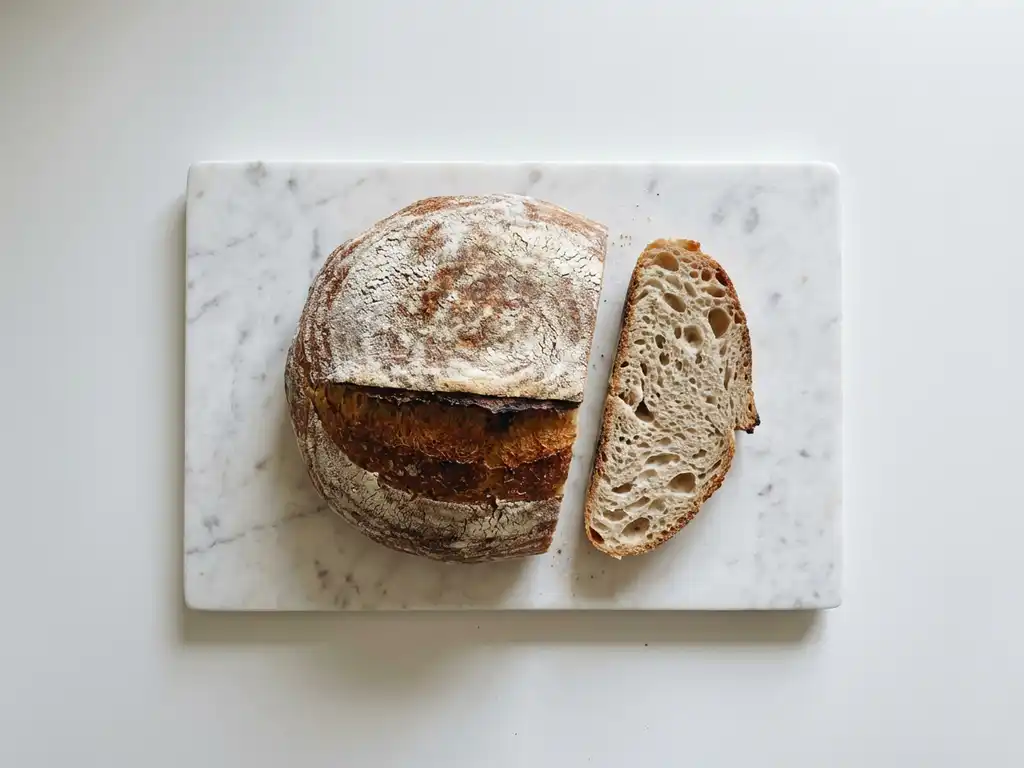
If you’re following a low-FODMAP diet and missing your daily bread, you’ve probably wondered about sourdough. This traditional fermented bread has gained attention in the FODMAP community because the fermentation process can reduce certain problematic carbohydrates that trigger IBS symptoms.
The relationship between sourdough and FODMAPs isn’t straightforward, though. Not all sourdough breads are created equal, and understanding the specifics can help you make informed choices about whether this beloved bread can fit into your low-FODMAP lifestyle.
What makes sourdough different from regular bread for FODMAP levels?
Sourdough bread differs from regular bread because the long fermentation process breaks down fructans, which are high-FODMAP carbohydrates that can trigger IBS symptoms. During fermentation, naturally occurring bacteria and yeasts consume these problematic sugars, potentially making the bread more tolerable for people following a low-FODMAP diet.
Regular commercial bread typically uses commercial yeast and has a much shorter rising time, usually just a few hours. This quick process doesn’t allow enough time for the fructans to break down. In contrast, traditional sourdough fermentation can take 12 to 24 hours or even longer, giving beneficial microorganisms ample time to reduce FODMAP levels.
The key difference lies in the fermentation timeline and method. True sourdough uses a starter culture containing wild yeasts and lactic acid bacteria. These microorganisms not only create the characteristic tangy flavor but also pre-digest some of the carbohydrates that would otherwise cause digestive distress in sensitive individuals.
How much sourdough can you eat on a low-FODMAP diet?
You can safely eat up to two slices of properly fermented sourdough bread per serving on a low-FODMAP diet, according to Monash University research. This portion size applies to sourdough made from wheat flour that has undergone at least 11 hours of fermentation using traditional methods.
It’s important to note that this serving size refers to medium-sized slices, roughly equivalent to what you’d find in a standard loaf. Larger artisanal slices or thick-cut pieces may need to be adjusted accordingly. The two-slice limit helps ensure you stay within safe FODMAP levels while still enjoying this fermented bread.
Remember that tolerance can vary between individuals, even when following low-FODMAP guidelines. Some people may find they can comfortably eat the full two-slice serving, while others might need to start with smaller portions and gradually increase based on their symptoms. Always listen to your body and adjust portions accordingly during your elimination phase.
What types of sourdough are safe for low-FODMAP eating?
Traditional wheat sourdough that has been fermented for at least 11 hours is considered low FODMAP in appropriate serving sizes. Spelt sourdough is another safe option, as the fermentation process similarly reduces FODMAP levels in spelt flour. However, sourdough made from rye flour remains high FODMAP even after fermentation.
When choosing sourdough bread, look for varieties made with wheat or spelt flour as the primary ingredient. These grains respond well to the fermentation process in terms of FODMAP reduction. White wheat sourdough and whole wheat sourdough can both be suitable options, though some people find white-flour versions easier to digest initially.
Avoid sourdough breads that contain added high-FODMAP ingredients like honey, dried fruit, nuts, or seeds during your elimination phase. Plain sourdough varieties give you the best chance of success while you’re determining your personal tolerance levels. Once you’ve established a baseline, you can experiment with small amounts of additional ingredients.
How do you identify truly fermented sourdough bread?
Genuinely fermented sourdough bread will list only flour, water, salt, and sourdough starter in the ingredients, with no commercial yeast added. The bread should have a distinctive tangy flavor, a dense texture, and irregular holes throughout the crumb. True sourdough also tends to have a longer shelf life than commercial bread.
Many commercial breads labeled as “sourdough” are actually made with commercial yeast and simply have sourdough flavoring added. These products won’t provide the FODMAP benefits you’re looking for. Check the ingredient list carefully and avoid breads that contain yeast, preservatives, or artificial sourdough flavoring.
When shopping, ask bakeries about their fermentation process. Authentic sourdough requires at least 11 hours of fermentation, and many traditional bakers ferment their bread for 24 hours or longer. Some artisanal bakeries will gladly share details about their process, including fermentation times and starter maintenance.
Can you make low-FODMAP sourdough at home?
Yes, you can make low-FODMAP sourdough at home by creating and maintaining your own sourdough starter, then allowing your dough to ferment for at least 11 hours before baking. This gives you complete control over ingredients and fermentation time, ensuring the bread meets low-FODMAP requirements.
Creating a sourdough starter takes about five to seven days of daily feeding with flour and water. Once established, your starter becomes a living culture that you can use indefinitely to make bread. The process requires patience but gives you the confidence of knowing exactly what goes into your bread.
Home baking also allows you to experiment with different flours and fermentation times. You might find that longer fermentation periods work better for your digestion, or that certain flour types suit your taste preferences. We offer detailed guides and recipes for making your own low-FODMAP sourdough bread, complete with timing charts and troubleshooting tips.
What should you do if sourdough still triggers IBS symptoms?
If sourdough continues to trigger your IBS symptoms, reduce your portion size to one slice or eliminate it temporarily while focusing on other low-FODMAP bread alternatives, such as gluten-free options. Some people may have additional sensitivities beyond FODMAPs that make even fermented wheat products problematic.
Consider keeping a detailed food and symptom diary to identify patterns. Sometimes the issue isn’t the sourdough itself but other ingredients you’re eating with it or the timing of consumption. Eating sourdough on an empty stomach versus with other foods can make a significant difference for some people.
If you continue to experience symptoms, consult a registered dietitian who specializes in digestive health. They can help you navigate the reintroduction phase properly and determine whether you have additional food sensitivities beyond FODMAPs. Remember that the low-FODMAP diet is meant to be a temporary elimination process, not a permanent restriction.
This recipe is for informational purposes only and is not medical or dietary advice. Please consult a healthcare professional before making any changes to your diet.
Related Articles
- What’s the best soup for IBS?
- Gluten-Free Banana Coconut Bread
- Gluten-Free Blueberry Lemon Pancakes
- Orange Almond Smoothie
- What snacks can I eat on low FODMAP?