
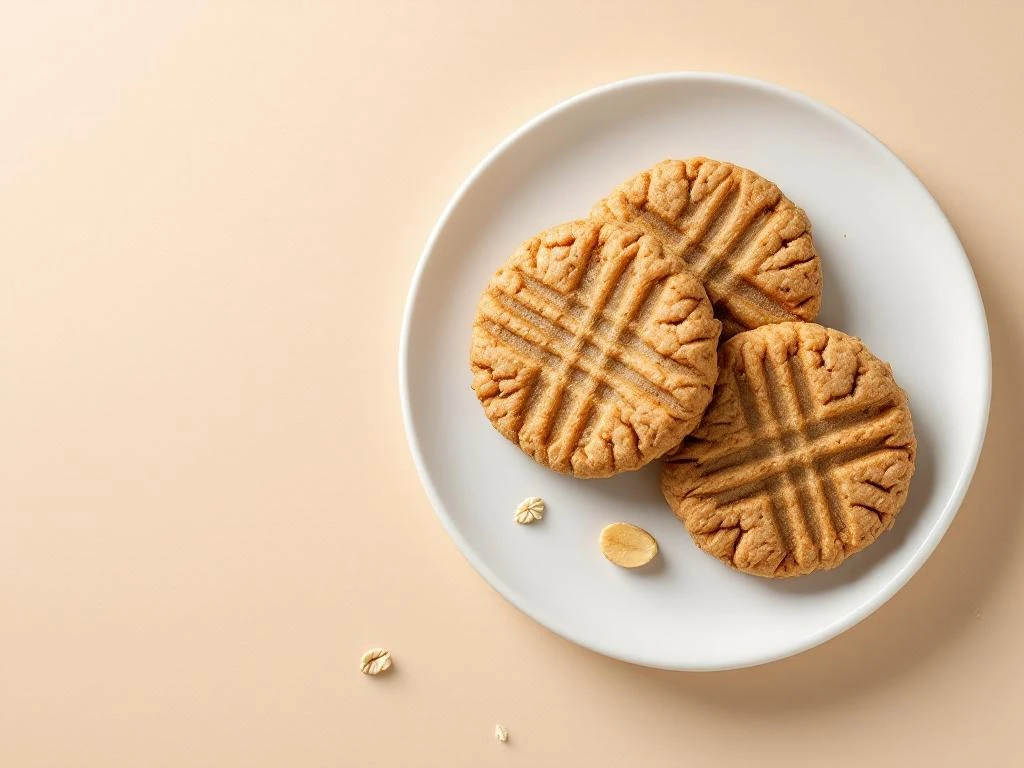
Craving something sweet but worried about your IBS symptoms? These peanut butter oatmeal cookies deliver the comfort of homemade baking without the digestive distress. You’ll create a batch of chewy, satisfying cookies that fit perfectly into your low FODMAP lifestyle.
This recipe is beginner-friendly and takes about 30 minutes from start to finish, including 12 minutes of baking time. You’ll need basic baking equipment like mixing bowls, measuring cups, a baking tray, and parchment paper. The ingredients are simple and widely available at most supermarkets.
By the end, you’ll have a delicious batch of IBS friendly cookies that you can enjoy throughout the week. These gluten free peanut butter cookies prove that following a FODMAP friendly diet doesn’t mean giving up the treats you love.
Why peanut butter oatmeal cookies work for IBS
These peanut butter oatmeal cookies are designed specifically for people managing IBS and digestive sensitivities. The recipe uses carefully selected ingredients that stay within low FODMAP serving guidelines, meaning you can enjoy them without triggering uncomfortable symptoms.
Oats provide soluble fibre that’s gentle on your digestive system. Unlike wheat-based cookies, these use certified gluten-free oats that won’t irritate sensitive stomachs. The soluble fibre in oats can actually help regulate digestion, making these cookies a smart choice for your gut health.
Natural peanut butter adds protein and healthy fats without the FODMAPs found in many other nut butters. When you choose pure peanut butter without added sweeteners or oils, you’re getting a low FODMAP ingredient that creates rich flavour and perfect cookie texture. The combination of peanut butter and oats creates a satisfying treat that keeps blood sugar stable.
The sweetener choices in this recipe matter for your digestive comfort. We avoid high FODMAP options like honey, agave, or regular sugar alcohols. Instead, the recipe uses maple syrup or brown sugar in controlled amounts that stay within safe FODMAP limits. This careful balance means you get sweetness without the bloating or discomfort.
Gather your low FODMAP cookie ingredients
Start with 1½ cups of certified gluten-free oats. Regular oats often have wheat contamination from processing facilities, so the certified label matters if you’re sensitive to gluten. Look for brands that clearly state “gluten-free” on the package. Quick oats or rolled oats both work well in this recipe.
You’ll need ½ cup of natural peanut butter. Check the ingredient list carefully. It should only contain peanuts and perhaps a small amount of salt. Avoid brands with added sugar, palm oil, or other ingredients. Smooth peanut butter creates a more uniform texture, but crunchy works if you prefer extra texture in your cookies.
For sweetness, use ¼ cup of pure maple syrup or light brown sugar. Both options are low FODMAP in these amounts. Maple syrup creates a slightly chewier cookie, while brown sugar gives a more traditional cookie texture. Don’t substitute with honey, as it contains high FODMAP fructose.
Add one large egg to bind everything together. Eggs are naturally low FODMAP and provide structure. If you need an egg-free version, try one tablespoon of ground flaxseed mixed with three tablespoons of water, though this will change the texture slightly.
Include 2 tablespoons of lactose-free butter or a suitable plant-based alternative. Lactose-free butter is widely available and tastes identical to regular butter. Coconut oil works as a dairy-free option, though it will add a subtle coconut flavour to your homemade oatmeal cookies.
You’ll need ½ teaspoon of baking powder, ¼ teaspoon of salt, and 1 teaspoon of vanilla extract. These small amounts add lift and enhance flavour without affecting FODMAP content. Make sure your vanilla extract is pure, not imitation, for the best taste.
Optional additions and substitutions
Add ¼ cup of dark chocolate chips if they fit your current FODMAP phase. Check that they’re dairy-free or made with lactose-free milk chocolate. Keep portions mindful, as chocolate can be a trigger for some people with IBS.
If you can’t use peanut butter, try almond butter in the same quantity. Almonds are low FODMAP up to 10 nuts per serving, and almond butter follows similar guidelines. Avoid cashew butter, as cashews are high FODMAP even in small amounts.
Mix and prepare your cookie dough
Preheat your oven to 180°C (350°F). Line a baking tray with parchment paper. This prevents sticking and makes cleanup easier. Don’t skip the parchment, as these cookies can stick to bare metal trays.
Combine the peanut butter and softened butter in a large mixing bowl. Use a wooden spoon or electric mixer to blend them until smooth and creamy. This takes about one minute by hand or 30 seconds with a mixer. The mixture should look uniform without visible butter chunks.
Add your chosen sweetener and the egg to the peanut butter mixture. Mix thoroughly until everything is well combined and slightly fluffy. The mixture will lighten in colour as you incorporate air. This step takes about two minutes of mixing.
Stir in the vanilla extract. Mix just until it’s evenly distributed throughout the wet ingredients. You’ll smell the vanilla as you mix, which tells you it’s properly incorporated.
In a separate bowl, combine the oats, baking powder, and salt. Stir these dry ingredients together with a fork or whisk. This distributes the baking powder evenly, which ensures your cookies rise uniformly.
Pour the dry ingredients into the wet mixture. Fold everything together using a spatula or wooden spoon. Mix until you see no dry oat patches, but don’t overmix. Overmixing can make your cookies tough instead of chewy. The dough should be thick and slightly sticky.
Let the dough rest for 5 minutes. This allows the oats to absorb moisture from the wet ingredients, which improves texture. The dough will firm up slightly during this rest period, making it easier to shape.
Texture troubleshooting
If your dough feels too dry and crumbly, add one teaspoon of water or lactose-free milk at a time until it holds together. If it’s too wet and won’t hold shape, stir in an extra tablespoon of oats. The right consistency should hold together when you press it but not be overly sticky on your hands.
Shape and bake your peanut butter cookies
Use a tablespoon or small cookie scoop to portion the dough. Each cookie should be about one tablespoon of dough. This size ensures even baking and keeps the serving size low FODMAP compliant. You should get approximately 18 cookies from this batch.
Roll each portion between your palms to form a ball. Place the balls on your prepared baking tray, spacing them about 5cm apart. These easy oatmeal cookies spread slightly as they bake, so proper spacing prevents them from joining together.
Flatten each ball gently with the back of a fork. Press down once, then rotate the fork 90 degrees and press again to create a crosshatch pattern. This traditional peanut butter cookie look isn’t just decorative. It helps the cookies bake evenly by reducing the thickness.
Place the tray on the middle rack of your preheated oven. The middle position provides the most even heat distribution. Bake for 10 to 12 minutes. The exact time depends on your oven and how chewy you like your cookies.
Watch for these signs that your lactose free cookies are done. The edges should look set and slightly golden. The centres might look slightly underdone, which is perfect. They’ll firm up as they cool. Don’t wait for the centres to look fully baked, or you’ll end up with dry cookies.
Remove the tray from the oven when you see light golden edges. Let the cookies sit on the baking tray for 5 minutes without moving them. This cooling period allows them to set properly. If you try to move them immediately, they’ll break apart.
After 5 minutes, transfer the cookies to a wire cooling rack using a spatula. Slide the spatula completely under each cookie before lifting. Let them cool completely before storing, which takes about 20 minutes. Warm cookies are more fragile and won’t store well.
Store and enjoy your FODMAP-friendly cookies
Wait until your cookies reach room temperature before storing them. Any remaining warmth creates moisture in your storage container, which makes the cookies soft and potentially mouldy. Touch the bottom of a cookie to check. It should feel completely cool.
Store your digestive friendly baking in an airtight container at room temperature. A sealed container or resealable bag works well. Layer the cookies with parchment paper between layers if you’re stacking them. This prevents them from sticking together.
These cookies stay fresh for up to 5 days at room temperature. The texture remains chewy for the first three days, then gradually becomes slightly firmer. If you live in a humid climate, they might soften faster. Store them in the refrigerator if your kitchen is very warm.
For longer storage, freeze your peanut butter cookie recipe results. Place cooled cookies in a freezer-safe container or bag with parchment between layers. They’ll keep for up to 3 months in the freezer. Thaw frozen cookies at room temperature for about 30 minutes before eating.
Enjoy these cookies as a snack between meals or as a dessert after your low FODMAP meals. Stick to one or two cookies per serving to maintain FODMAP compliance. Pair them with a cup of peppermint tea or black coffee for a satisfying treat that won’t upset your stomach.
Serving suggestions that stay FODMAP friendly
Crumble a cookie over lactose-free yoghurt for breakfast. Pack them in your lunch for a midday energy boost. Serve them alongside fresh strawberries or a small handful of blueberries for a balanced snack.
These cookies travel well, making them perfect for work lunches or day trips. Wrap individual cookies in small pieces of parchment paper for grab-and-go convenience. They won’t crumble easily, which makes them ideal for packed lunches.
You’ve now mastered a versatile low FODMAP cookies recipe that fits your dietary needs without compromising on taste. These peanut butter oatmeal cookies prove that managing IBS doesn’t mean missing out on homemade treats. The simple ingredient list and straightforward method make this a recipe you’ll return to again and again. Keep a batch in your freezer for those moments when you need a quick, safe dessert option that won’t trigger symptoms.
Peanut butter oatmeal cookies
Cooking time: 30 minutes | Portions: 18 cookies
- 1½ cups certified gluten-free oats
- ½ cup natural peanut butter (peanuts only)
- ¼ cup pure maple syrup or light brown sugar
- 1 large egg
- 2 tablespoons lactose-free butter or coconut oil
- ½ teaspoon baking powder
- ¼ teaspoon salt
- 1 teaspoon vanilla extract
Steps:
- Preheat oven to 180°C (350°F) and line a baking tray with parchment paper
- Mix peanut butter and butter until smooth
- Add sweetener, egg, and vanilla, mixing until combined
- Combine oats, baking powder, and salt in a separate bowl
- Fold dry ingredients into wet mixture until no dry patches remain
- Let dough rest for 5 minutes
- Shape into tablespoon-sized balls and place on prepared tray
- Flatten with fork in crosshatch pattern
- Bake 10 to 12 minutes until edges are golden
- Cool on tray for 5 minutes, then transfer to wire rack
- Store in airtight container for up to 5 days or freeze for 3 months
This recipe is for informational purposes only and is not medical or dietary advice. Please consult a healthcare professional before making any changes to your diet.
Related Articles
- Overnight Oats with Blueberries
- How Long Until Low FODMAP Works?
- Raspberry Chia Breakfast Bowl
- Lactose-Free Chocolate Protein Oats
- Blueberry Coconut Smoothie Bowl