
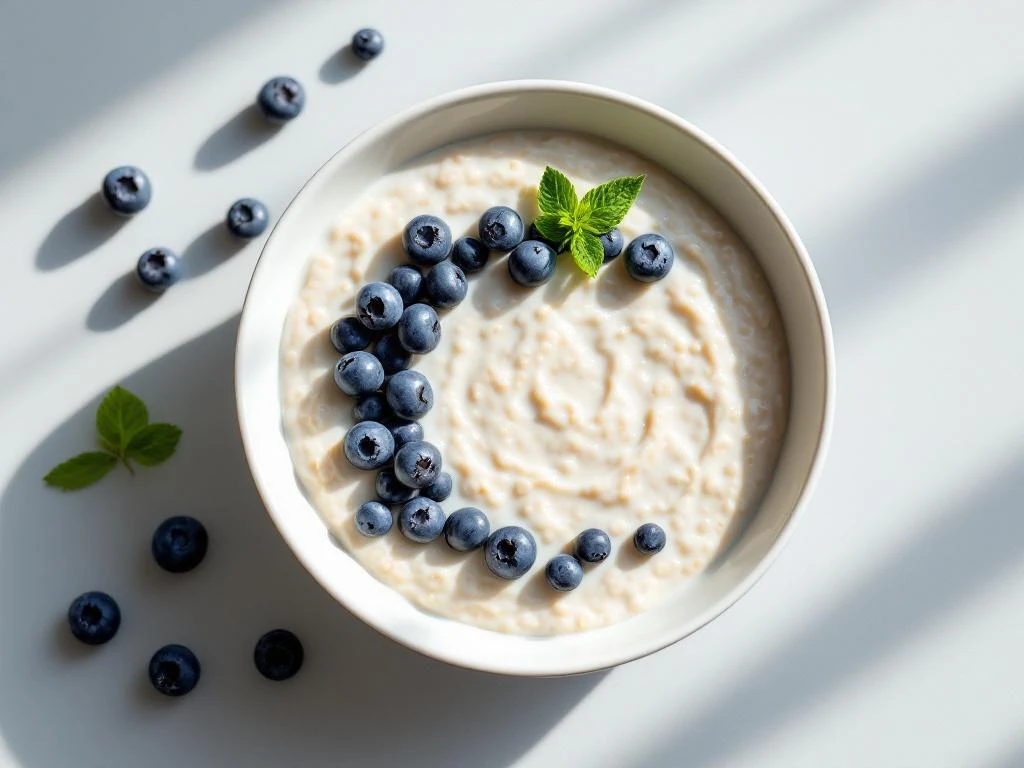
Preparing a healthy breakfast doesn’t have to mean waking up early or spending time in the kitchen each morning. Overnight oats with blueberries solve this problem beautifully. This make ahead breakfast is perfect for anyone following a low FODMAP diet, especially those managing IBS symptoms. You’ll simply combine a few ingredients before bed and wake up to a delicious, gut-friendly meal that’s ready to eat.
This recipe works well for beginners and takes just 5 minutes to prepare the night before. You’ll need basic kitchen items like a jar or container, measuring cups, and refrigerator space. The oats soak overnight, creating a creamy texture without any cooking required.
By following this guide, you’ll learn how to make IBS friendly breakfast oats that taste great and support your digestive health. You’ll also discover how to customize your overnight oats whilst maintaining FODMAP compliance.
Why overnight oats are perfect for low FODMAP diets
Overnight oats offer several advantages for people with digestive sensitivities. The soaking process breaks down some of the starches in oats, making them easier to digest. This gentle preparation method creates a softer texture that many people with IBS find more comfortable to eat than cooked porridge.
Portion control becomes simple with overnight oats. You prepare individual servings in jars or containers, which helps you stick to low FODMAP serving sizes. A standard serving of 50 grams of rolled oats remains within safe limits for most people following the elimination phase.
Blueberries work brilliantly in this recipe because they’re low FODMAP in controlled portions. Up to 20 fresh blueberries per serving stays within safe limits. These berries add natural sweetness, antioxidants, and a burst of flavour without triggering symptoms. The combination of gluten free overnight oats and blueberries creates a satisfying breakfast that supports your gut health goals.
The convenience factor matters too. You can prepare several portions at once, giving you ready-made breakfasts for busy mornings. This reduces stress and helps you maintain your dietary requirements even when time is tight.
Gather your low FODMAP ingredients and tools
For one serving of low FODMAP overnight oats, you’ll need the following ingredients:
- 50 grams rolled oats (certified gluten-free if you’re sensitive to gluten)
- 120 ml lactose-free milk or suitable plant-based alternative (almond milk, oat milk in small amounts, or rice milk)
- 20 fresh blueberries (approximately 28 grams)
- 1 tablespoon chia seeds (optional, for extra thickness)
- 1 teaspoon maple syrup or a low FODMAP sweetener
- Pinch of salt
Safe plant milk options include lactose-free dairy milk, almond milk made from almonds only, or coconut milk from a carton. Avoid soy milk made from whole soybeans, as it’s high FODMAP. Check labels carefully to ensure no high FODMAP ingredients like inulin or chicory root have been added.
You’ll need these tools:
- Glass jar or airtight container (about 300 ml capacity)
- Measuring cups and spoons
- Spoon for mixing
- Refrigerator space
Optional low FODMAP add-ins include a tablespoon of peanut butter, a sprinkle of walnuts (up to 10 walnut halves), pumpkin seeds, or a small sliced banana (one-third of a medium banana). These additions let you customize flavour and nutrition whilst staying within safe portions.
Prepare your overnight oats base
Start by adding your oats to the jar or container. Measure carefully to ensure you’re using the correct FODMAP-safe portion. Pour the lactose-free milk over the oats, making sure all the oats get wet. The standard ratio is roughly 1 part oats to 2.5 parts liquid, but you can adjust this based on how thick you prefer your oats.
Add the chia seeds if you’re using them. These will absorb liquid and create a thicker, more pudding-like consistency. Stir everything together with a spoon, scraping the bottom and sides of the jar to ensure even distribution. You want every oat grain to have contact with the liquid.
Add your pinch of salt and sweetener at this stage. Mix again thoroughly. The mixture will look quite liquid at this point, which is normal. The oats will absorb most of the liquid during refrigeration.
If you prefer a layered presentation, pour half the oat mixture into the jar, add some blueberries, then add the remaining oat mixture. This creates visual appeal and distributes the berries throughout. For a simpler approach, just mix everything in one go.
Success check: Your mixture should be soupy but well combined. All oats should be submerged in liquid. If the mixture looks too dry, add a splash more milk.
Add blueberries and customize your oats
You can add blueberries before or after refrigeration, depending on your preference. Adding them before soaking softens the berries and allows their flavour to infuse the oats. Adding them fresh in the morning keeps them firmer and provides a texture contrast.
Count out 20 blueberries to stay within the low FODMAP serving size. Rinse them gently and pat dry if you’re adding them fresh. If you’re adding them before refrigeration, simply drop them into your jar and give everything a gentle stir, or layer them as mentioned earlier.
For flavour variations that remain gut-friendly, try these combinations:
- Add a quarter teaspoon of vanilla extract for warmth
- Mix in a tablespoon of cocoa powder for chocolate overnight oats
- Sprinkle cinnamon or nutmeg for spiced oats
- Add a tablespoon of peanut butter for protein and richness
Keep additional toppings in separate small containers if you’re meal prepping multiple servings. This prevents nuts or seeds from getting soggy. You can add them just before eating for better texture.
Warning: Avoid adding large amounts of fruit or using high FODMAP fruits like apples, pears, or dried fruits. Stick to measured low FODMAP portions to protect your digestive comfort.
What’s the ideal refrigeration time for overnight oats?
The minimum soaking time is 4 hours, but overnight oats taste best after 8 to 12 hours in the refrigerator. This gives the oats enough time to fully absorb the liquid and soften to a creamy consistency. The starches break down during this period, improving both texture and digestibility.
You can safely store prepared overnight oats for up to 5 days in the refrigerator. This makes them perfect for meal prep on Sunday evening for the week ahead. Keep them in airtight containers to prevent them from absorbing other food odours and to maintain freshness.
The texture evolves the longer oats sit. After 8 hours, they’ll be creamy and soft. By day three or four, they become even softer and more pudding-like. Some people prefer this texture, whilst others like them fresher. Experiment to find your preference.
Success check: Your oats are ready when they’ve absorbed most of the liquid and have a thick, spoonable consistency. They shouldn’t be crunchy or have dry patches. If you see excess liquid pooling at the bottom after 8 hours, your ratio might need adjusting next time.
For meal prep timing, prepare your jars on Sunday evening for Monday through Friday breakfasts. Label containers with dates if you’re making multiple servings to track freshness easily.
Serve and adjust texture to your preference
Overnight oats taste delicious cold straight from the refrigerator, which is how most people enjoy them. Simply give them a good stir before eating, as some separation is natural. If you prefer warm oats, transfer them to a microwave-safe bowl and heat for 30 to 60 seconds, stirring halfway through.
Check the consistency after your first stir. If the oats seem too thick, add a splash of your chosen milk and mix well. If they’re too runny (which is rare), you can add a small amount of dry oats or let them sit for another hour.
Add your final toppings just before eating. Fresh blueberries, a sprinkle of seeds, or a drizzle of maple syrup work beautifully. A tablespoon of lactose-free yoghurt adds creaminess and extra protein. Keep portions of all additions within low FODMAP limits.
For presentation, you can serve overnight oats in the jar or transfer them to a bowl. Layering extra berries on top or arranging them in a pattern makes breakfast feel more special. A sprinkle of cinnamon or a few crushed nuts adds visual appeal.
Portion guidance: One jar prepared with 50 grams of oats provides a satisfying breakfast for most people. If you need more food to feel full, prepare two smaller jars rather than increasing the oat portion beyond low FODMAP limits. Pair your oats with a low FODMAP protein source like eggs if you need additional sustenance.
This easy overnight oats recipe gives you a reliable, healthy breakfast oats option that works with your digestive needs. The blueberry overnight oats combination provides nutrition, convenience, and great taste without compromising your gut health.
Overnight oats with blueberries
Preparation time: 5 minutes | Refrigeration time: 8-12 hours | Portions: 1 serving
Ingredients:
- 50g rolled oats (gluten-free)
- 120ml lactose-free milk or low FODMAP plant milk
- 20 fresh blueberries
- 1 tablespoon chia seeds (optional)
- 1 teaspoon maple syrup
- Pinch of salt
Instructions:
- Add oats to a jar or container
- Pour milk over oats and add chia seeds, salt, and sweetener
- Stir thoroughly until well combined
- Add blueberries (before or after refrigeration)
- Cover and refrigerate for 8-12 hours
- Stir before serving and adjust consistency if needed
- Add optional toppings and enjoy cold or warmed
Storage: Keep refrigerated for up to 5 days in an airtight container.
This recipe is for informational purposes only and is not medical or dietary advice. Please consult a healthcare professional before making any changes to your diet.
Related Articles
- What can I put on toast that is low FODMAP?
- Coconut Flour Crepes with Strawberries
- What is a good dinner for someone with IBS?
- Raspberry Almond Breakfast Bowl
- Egg White Omelet with Bell Peppers