
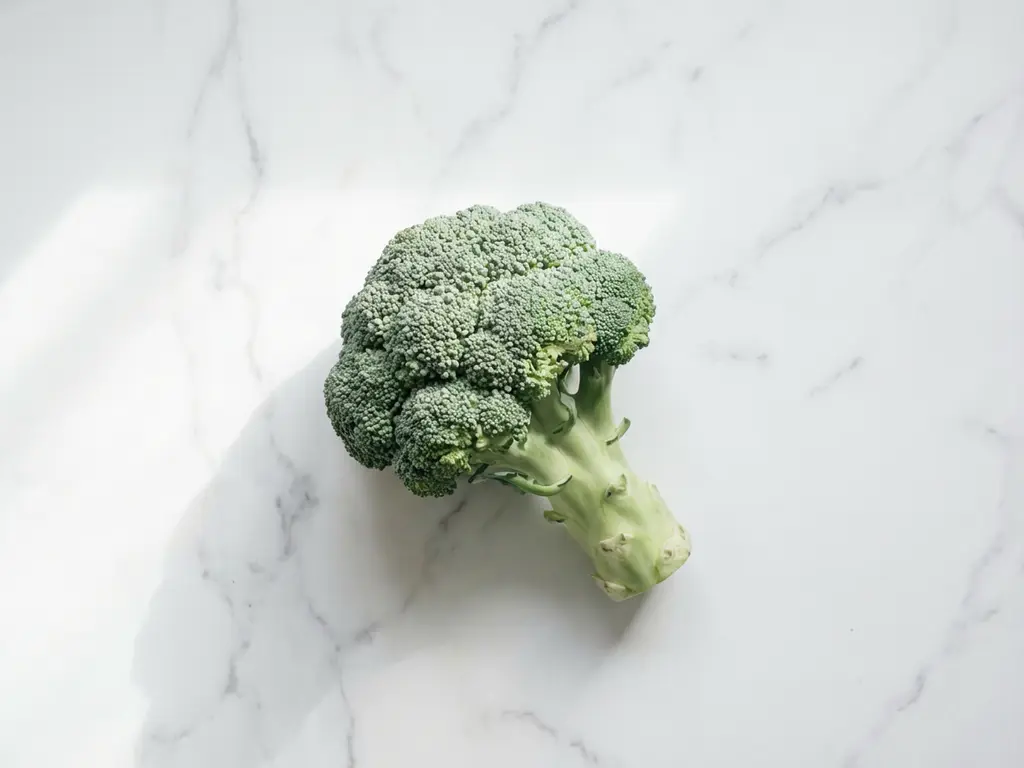
Broccoli is one of the most nutritious vegetables available, packed with vitamins, minerals, and fiber. However, if you have irritable bowel syndrome (IBS), you might wonder whether this green powerhouse is a friend or a foe to your digestive system. Understanding how broccoli fits into a low-FODMAP diet can help you make informed decisions about including it in your meals while managing IBS symptoms effectively.
The relationship between broccoli and IBS isn’t straightforward, as it depends on portion sizes, preparation methods, and individual tolerance. Let’s explore the key questions surrounding broccoli consumption for those following a low-FODMAP diet.
Is broccoli high or low in FODMAPs?
Broccoli contains moderate levels of FODMAPs—specifically fructans—making it a yellow-light food on the FODMAP scale. Its FODMAP content varies significantly depending on portion size and which part of the broccoli you eat. Broccoli heads contain higher FODMAP levels than broccoli stems, which are considered low FODMAP in typical serving sizes.
According to Monash University’s FODMAP research, broccoli heads become high in FODMAPs when consumed in portions larger than 3/4 cup (65 g). The fructans in broccoli can trigger symptoms in people with IBS, particularly during the elimination phase of the low-FODMAP diet. However, smaller portions of broccoli heads and moderate portions of broccoli stems can often be tolerated without triggering digestive discomfort.
The key is understanding that broccoli isn’t entirely off-limits, but it does require careful portion control. Many people following a low-FODMAP diet can successfully include small amounts of broccoli in their meals without experiencing symptoms.
Can you eat broccoli on a low FODMAP diet?
Yes, you can eat broccoli on a low-FODMAP diet, but portion control is essential. Small servings of broccoli heads (up to 3/4 cup, or 65 g) and larger portions of broccoli stems are considered low FODMAP and are generally well tolerated by most people with IBS.
During the elimination phase of the low-FODMAP diet, it’s recommended that you stick to the tested safe portions. Broccoli stems are particularly valuable because they provide similar nutritional benefits with lower FODMAP content. You can use up to 3/4 cup of chopped broccoli stems in your cooking without exceeding the low-FODMAP threshold.
When reintroducing foods during the challenge phase, you might discover your personal tolerance for broccoli. Some individuals can handle larger portions without symptoms, while others may need to limit their intake more strictly. The key is to monitor your body’s response and adjust accordingly, ideally while working with a qualified dietitian familiar with the FODMAP protocol.
What happens if you eat too much broccoli with IBS?
Eating too much broccoli when you have IBS can trigger uncomfortable digestive symptoms, including bloating, gas, abdominal pain, and changes in bowel movements. The fructans in broccoli are poorly absorbed in the small intestine and ferment in the colon, producing gas and drawing water into the digestive tract.
The severity of symptoms depends on your individual sensitivity and how much broccoli you consume beyond your tolerance threshold. Some people might experience mild bloating after exceeding their limit, while others could face more significant discomfort, including cramping and diarrhea. These symptoms typically appear within a few hours of consumption and can last from several hours to a day.
If you accidentally consume too much broccoli, staying hydrated and doing gentle movement, such as walking, can help alleviate symptoms. However, the best approach is prevention through careful portion control and gradual testing of your tolerance during the reintroduction phase of your low-FODMAP diet journey.
How should you prepare broccoli for better digestion?
Proper preparation of broccoli can significantly improve its digestibility for people with IBS. Cooking broccoli thoroughly breaks down some of the fiber and makes it easier to digest than raw broccoli. Steaming, boiling, or roasting broccoli until it’s tender can reduce the likelihood of digestive discomfort.
Focus on using more broccoli stems than heads in your cooking, as stems contain fewer FODMAPs while still providing excellent nutrition. You can peel the tough outer layer of broccoli stems and slice them thinly for faster, more even cooking. Adding digestive-friendly herbs and spices, such as ginger, fennel seeds, or caraway, can further support digestion.
Avoid eating broccoli completely raw during the elimination phase, as its tough fibers can be particularly challenging for sensitive digestive systems. Instead, blanch broccoli briefly or steam it until it’s bright green and tender-crisp. This preparation method preserves nutrients while making the vegetable more digestible for those following a low-FODMAP diet.
What are the best broccoli alternatives for IBS?
Several low-FODMAP vegetables can provide similar nutritional benefits to broccoli without the higher FODMAP content. Green beans, bok choy, spinach, and kale are excellent alternatives that offer comparable vitamins and minerals while being gentler on sensitive digestive systems.
Bok choy is particularly valuable as a broccoli substitute because it belongs to the same cruciferous family and provides similar nutrients, including vitamin C, vitamin K, and folate. You can use bok choy in stir-fries, soups, and steamed preparations just like broccoli. Green beans offer a satisfying crunch and work well in many dishes where you might typically use broccoli florets.
Other suitable alternatives include carrots, bell peppers, and zucchini, which are all low FODMAP in typical serving sizes and provide different but valuable nutrients. Spinach and kale can be used in cooked dishes and provide excellent sources of iron and other minerals. The key is to experiment with these alternatives to find combinations that suit your taste preferences while supporting your digestive health on a low-FODMAP diet.
This recipe is for informational purposes only and is not medical or dietary advice. Please consult a healthcare professional before making any changes to your diet.
Related Articles
- What sandwiches can I eat with IBS?
- What do you eat on a low FODMAP diet?
- Egg and Cheese Breakfast Tacos
- Egg and Veggie Breakfast Quesadilla
- Blueberry Quinoa Porridge