
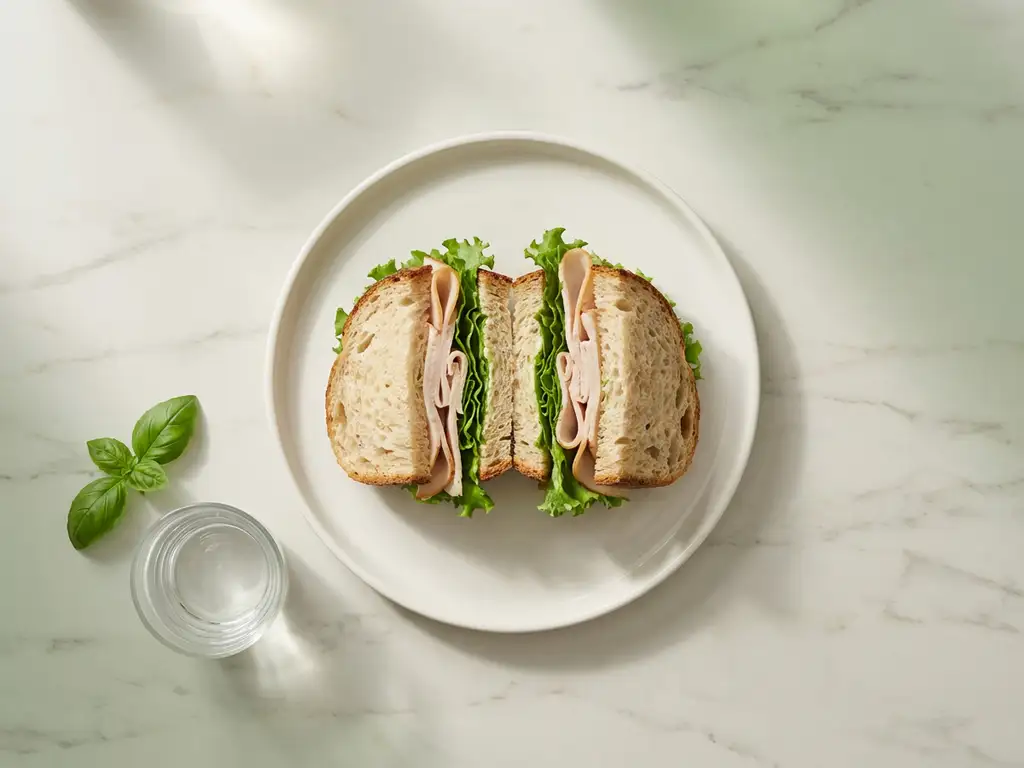
Living with IBS doesn’t mean giving up one of life’s most convenient meals. Sandwiches can absolutely be part of a low-FODMAP diet when you know which ingredients to choose and which to avoid. The key lies in understanding how different bread types, fillings, and portion sizes affect your digestive system.
With the right approach, you can enjoy satisfying sandwiches that won’t trigger your IBS symptoms. Let’s explore everything you need to know about creating IBS-friendly sandwiches that taste great and keep your digestive system happy.
What makes a sandwich IBS-friendly?
An IBS-friendly sandwich contains low-FODMAP ingredients that are gentle on the digestive system and unlikely to trigger symptoms such as bloating, gas, or abdominal pain. This means choosing bread made from suitable grains, selecting protein and vegetable fillings that are naturally low in fermentable carbohydrates, and avoiding high-FODMAP ingredients such as garlic, onion, and certain processed meats.
The foundation of any IBS-friendly sandwich starts with understanding the FODMAP content of each component. FODMAPs are fermentable oligosaccharides, disaccharides, monosaccharides, and polyols that can cause digestive distress in sensitive individuals. When following a low-FODMAP diet, you’ll want to select ingredients that have been tested and confirmed as safe in appropriate serving sizes.
Portion control also plays a crucial role in making sandwiches IBS-friendly. Even low-FODMAP foods can become problematic when consumed in large quantities, as FODMAPs can accumulate and reach threshold levels that trigger symptoms. This is why understanding serving sizes is just as important as knowing which ingredients to choose.
Which breads are safe for people with IBS?
Sourdough spelt bread, gluten-free bread made from rice flour or potato starch, and certain wheat breads in small portions are generally safe options for people with IBS who are following a low-FODMAP diet. The fermentation process in sourdough breaks down many FODMAPs, making it more digestible than regular wheat bread.
When selecting bread for your IBS-friendly sandwiches, look for options that have been specifically tested for FODMAP content. Sourdough made from spelt flour is often well tolerated because the long fermentation process reduces FODMAP levels significantly. Many people with IBS find they can enjoy one to two slices without experiencing symptoms.
Gluten-free breads made from rice flour, potato starch, or quinoa can be excellent alternatives, though you’ll want to check ingredient lists carefully. Some gluten-free breads contain high-FODMAP ingredients such as inulin, chicory root, or large amounts of certain gums that can cause digestive upset.
If you prefer to stick with wheat-based options, some people can tolerate small amounts of regular wheat bread, particularly if it’s made without added high-FODMAP ingredients. However, this varies significantly between individuals, and it’s best to test your tolerance during the reintroduction phase of the low-FODMAP diet.
What sandwich fillings won’t trigger IBS symptoms?
Safe sandwich fillings for IBS include lean proteins such as turkey, chicken, ham, and hard cheeses, along with low-FODMAP vegetables such as lettuce, cucumber, tomato, carrot, and bell peppers. These ingredients provide flavor, nutrition, and satisfaction without contributing significant amounts of fermentable carbohydrates.
Protein options are generally your safest bet for sandwich fillings. Plain cooked chicken breast, turkey slices, canned tuna in water, eggs, and firm cheeses such as cheddar or Swiss are all naturally low in FODMAPs. Just be cautious with processed meats that might contain garlic or onion powder, which are high-FODMAP ingredients commonly used in deli meats.
For vegetables, stick to those that have been tested as low FODMAP in typical serving sizes. Fresh lettuce, cucumber slices, tomato, grated carrot, and strips of red or yellow bell pepper add crunch and nutrition without causing digestive issues. You can also include small amounts of pickles, though check that they don’t contain garlic.
Condiments require careful selection, but there are plenty of safe options. Mayonnaise, mustard, and small amounts of certain oils and vinegars are typically well tolerated. It can help to keep a list of verified low-FODMAP condiments to make sandwich preparation easier and more enjoyable.
How much sandwich can I eat without triggering symptoms?
Most people with IBS can safely eat one sandwich made with two slices of low-FODMAP bread and appropriate portions of safe fillings without triggering symptoms. The key is respecting the tested serving sizes for each ingredient, as even low-FODMAP foods can become problematic in large quantities due to FODMAP stacking.
Portion control becomes particularly important when you’re combining multiple low-FODMAP ingredients in one meal. Each ingredient has a specific serving size that’s considered safe, and exceeding these amounts—or combining too many moderate-FODMAP foods—can push your total intake above your personal threshold.
For bread specifically, most low-FODMAP guides suggest limiting intake to about two slices of wheat-based bread or the equivalent in gluten-free alternatives. This serving size has been tested to remain below the threshold that typically triggers symptoms in most people following a low-FODMAP diet.
Your individual tolerance may vary, which is why the reintroduction phase of the low-FODMAP diet is so important. Some people can tolerate larger portions, while others may need to stick to smaller amounts or choose different ingredients altogether.
What sandwich ingredients should people with IBS avoid?
People with IBS should avoid high-FODMAP ingredients, including garlic, onion, wheat bread in large quantities, certain processed meats with added seasonings, stone fruits, apples, and dairy products if they are lactose intolerant. These ingredients are known to trigger symptoms such as bloating, gas, and abdominal discomfort in sensitive individuals.
Garlic and onion are among the most problematic ingredients for people following a low-FODMAP diet, yet they’re commonly found in processed meats, condiments, and bread. Always check ingredient labels carefully, as these can appear in various forms, including garlic powder, onion powder, or “natural flavors.”
Many traditional sandwich vegetables should be avoided or limited significantly. Avocado in large amounts, stone fruits such as peaches or plums, apples, and certain other fruits can be high in FODMAPs. Additionally, some vegetables such as asparagus, artichokes, and large amounts of cabbage can cause problems.
Processed and cured meats often contain high-FODMAP seasonings, so it’s important to choose plain varieties or those specifically labeled as FODMAP-friendly. Similarly, many commercial condiments and spreads contain garlic or onion, making homemade versions or carefully selected products a safer choice.
How do you meal prep IBS-friendly sandwiches?
Meal prep IBS-friendly sandwiches by preparing ingredients separately and assembling them fresh, storing bread in airtight containers, pre-washing and chopping vegetables, and portioning proteins in advance. This approach prevents soggy sandwiches while ensuring all ingredients remain fresh and gentle on your digestive system.
The key to successful sandwich meal prep is keeping wet and dry ingredients separate until you’re ready to eat. Prepare your proteins by cooking chicken breasts, hard-boiling eggs, or portioning deli meats into individual servings. Store these in the refrigerator in airtight containers for up to three days.
Wash and prepare your vegetables in advance, but store them properly to maintain freshness. Lettuce should be washed, dried thoroughly, and stored with paper towels. Cut vegetables such as cucumbers, tomatoes, and bell peppers can be stored in separate containers for easy assembly.
Consider making your own FODMAP-friendly condiments and storing them in small containers. This ensures you always have safe options available and can control exactly what goes into your sandwiches. Keep a variety of low-FODMAP breads in your freezer, taking out only what you need for the day to maintain freshness.
IBS-Friendly Turkey and Lettuce Sandwich
Cooking Time: 5 minutes | Servings: 1
Ingredients:
- 2 slices sourdough spelt bread
- 3–4 oz sliced turkey breast (check that it contains no garlic or onion)
- 2–3 lettuce leaves
- 3–4 cucumber slices
- 2–3 tomato slices
- 1 slice aged cheddar cheese
- 1 tablespoon mayonnaise
- 1 teaspoon Dijon mustard
Instructions:
- Toast the bread lightly, if desired.
- Spread the mayonnaise on one slice and the mustard on the other.
- Layer the turkey, cheese, lettuce, cucumber, and tomato.
- Close the sandwich and cut it diagonally, if preferred.
- Serve immediately for the best texture.
This recipe is for informational purposes only and is not medical or dietary advice. Please consult a healthcare professional before making any changes to your diet.
Related Articles
- What are the top 10 low FODMAP foods?
- Smoked Salmon and Scrambled Eggs
- What chips or crackers are low in FODMAP?
- What foods heal the colon?
- What meat can I eat on low FODMAP?