
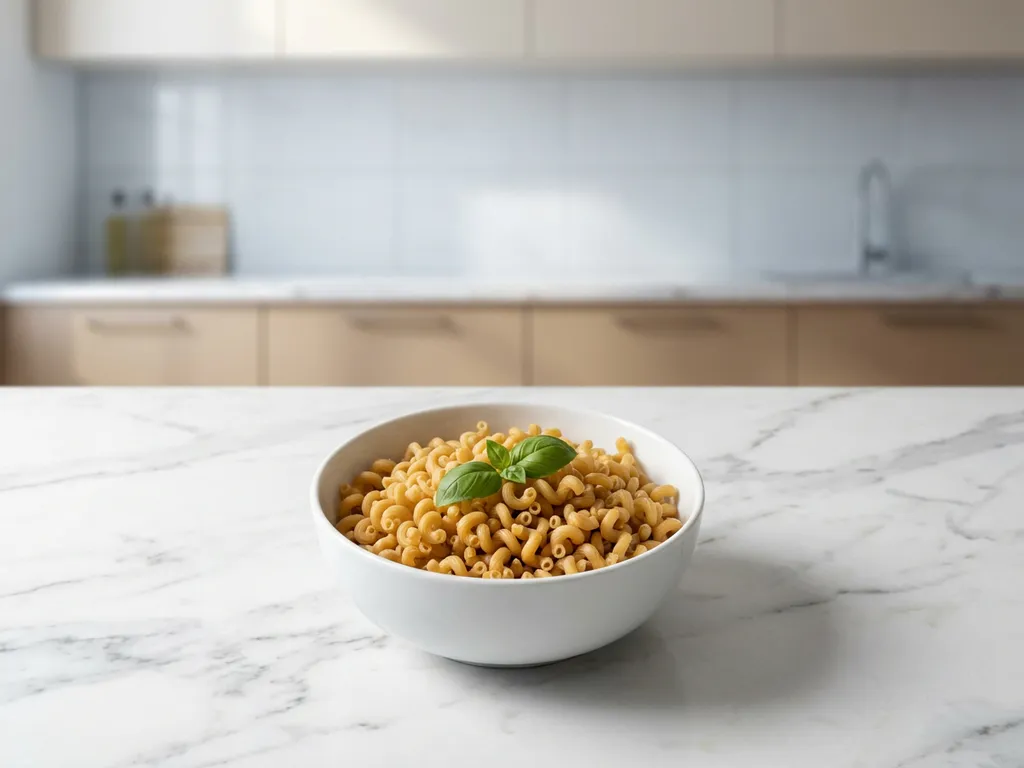
Living with IBS can make mealtimes feel like navigating a minefield, especially when it comes to beloved comfort foods like pasta. If you’re following a low-FODMAP diet to manage your IBS symptoms, you’ve probably wondered whether you need to give up pasta entirely or whether there are ways to enjoy it safely.
The good news is that pasta doesn’t have to be completely off-limits for people with IBS. Understanding which types work best, appropriate portion sizes, and preparation methods can help you maintain a varied, enjoyable diet while keeping your digestive symptoms in check. Let’s explore the key considerations for including pasta in your IBS-friendly meal plan.
Can people with IBS eat regular pasta?
People with IBS can eat regular wheat pasta, but only in small, carefully measured portions. Standard wheat pasta becomes high FODMAP when consumed in typical serving sizes, which can trigger IBS symptoms like bloating, gas, and abdominal pain in sensitive individuals.
The key issue with regular pasta lies in its fructan content. Fructans are a type of FODMAP that many people with IBS cannot digest properly. According to Monash University’s FODMAP research, wheat pasta contains moderate levels of fructans that become problematic when you exceed the recommended low-FODMAP serving size.
For wheat pasta to remain within low-FODMAP limits, you’ll need to stick to a maximum serving of about 1/2 cup (65 g) of cooked pasta per meal. This is significantly smaller than a typical restaurant or home-cooked portion, which often ranges from 1 to 2 cups. While this portion size may seem restrictive, it can still be satisfying when paired with low-FODMAP proteins, vegetables, and sauces.
What types of pasta are safe for IBS?
Rice pasta, corn pasta, and quinoa pasta are generally the safest options for people with IBS, as they’re naturally low FODMAP in standard serving sizes. These gluten-free alternatives allow you to enjoy larger portions without triggering digestive symptoms.
Rice pasta stands out as one of the most IBS-friendly options. Made from rice flour, it closely mimics the texture of traditional wheat pasta and remains low FODMAP even in generous 1-cup servings. Brown rice pasta offers additional fiber and nutrients while maintaining its digestive-friendly profile.
Corn pasta is another excellent choice, providing a slightly different texture and a mild corn flavor. Like rice pasta, it can be enjoyed in larger portions without FODMAP concerns. Quinoa pasta adds protein and essential amino acids to your meal while remaining gentle on sensitive digestive systems.
Some specialty pasta made from legumes like lentils or chickpeas may seem healthy, but it can be problematic for people with IBS due to its higher FODMAP content. Always check the ingredients and refer to up-to-date FODMAP guides when trying new pasta varieties.
How much pasta can you eat with IBS?
The safe amount of pasta for IBS depends on the type you choose. Rice and corn pasta can be enjoyed in portions of up to 1 cup cooked, while wheat pasta should be limited to 1/2 cup cooked to remain within low-FODMAP guidelines.
These portion guidelines are based on extensive testing by FODMAP researchers who measure the actual FODMAP content in foods. The serving sizes represent amounts that typically don’t trigger symptoms in most people with IBS, though individual tolerance can vary.
It’s important to measure your pasta portions accurately, especially when you’re in the elimination phase of the low-FODMAP diet. Use measuring cups rather than estimating, as pasta can be deceptively dense. A kitchen scale can provide even more precision if you prefer to measure by weight rather than volume.
Remember that these portions refer to the pasta alone. You can create a more satisfying meal by adding low-FODMAP vegetables, proteins, and appropriate sauces. This approach helps you feel full and satisfied while staying within safe FODMAP limits.
What’s the difference between wheat pasta and gluten-free pasta for IBS?
The main difference lies in FODMAP content and portion tolerance. Wheat pasta contains fructans that limit safe portions to 1/2 cup, while most gluten-free pasta made from rice or corn allows for larger 1-cup servings without triggering IBS symptoms.
Wheat pasta’s fructan content is the primary concern for IBS management, not the gluten itself. Many people assume that gluten-free automatically means IBS-friendly, but this isn’t always true. Some gluten-free pasta made from high-FODMAP ingredients like chickpea flour or large amounts of garlic can still cause digestive issues.
From a nutritional standpoint, wheat pasta typically provides more protein and certain B vitamins, while gluten-free alternatives vary widely in their nutritional profiles. Rice pasta tends to be lower in protein but easier to digest, while quinoa pasta offers complete proteins and additional minerals.
Texture and cooking behavior also differ between wheat and gluten-free options. Rice pasta can become mushy if overcooked, while corn pasta tends to hold its shape well. These differences don’t affect IBS symptoms but may influence your cooking methods and recipe choices.
How do you prepare pasta to be more IBS-friendly?
To make pasta more IBS-friendly, cook it al dente, measure portions carefully, and pair it with low-FODMAP ingredients like olive oil, herbs, and suitable vegetables. Avoid high-FODMAP additions like garlic, onions, or cream-based sauces that can trigger symptoms.
Cooking pasta al dente (slightly firm) may help with digestion, as the firmer texture requires more chewing and may slow down the eating process. This can help prevent overeating and may reduce the likelihood of digestive discomfort.
Choose your sauce ingredients wisely. Garlic-infused oil can provide flavor without the FODMAP content of whole garlic, since FODMAPs are water-soluble, not oil-soluble. Fresh herbs like basil, oregano, and parsley add flavor without digestive concerns. Low-FODMAP vegetables such as zucchini, bell peppers, and spinach can bulk up your meal nutritiously.
Consider the timing of your pasta meals as well. Eating pasta earlier in the day may be easier on your digestive system than having it for a late dinner. Stay hydrated and avoid eating too quickly, as these factors can influence how well you tolerate any meal.
What are the best pasta alternatives for severe IBS?
For severe IBS, spiralized vegetables like zucchini noodles, spaghetti squash, and shirataki noodles made from konjac root offer the lowest-FODMAP alternatives to traditional pasta. These options provide similar textures while being virtually free of fermentable carbohydrates.
Zucchini noodles, or “zoodles,” can be made fresh using a spiralizer or vegetable peeler. They provide a light, fresh base for sauces and require minimal cooking time. Spaghetti squash offers a slightly heartier texture and mild flavor that works well with both light and robust sauces.
Shirataki noodles, made from the konjac plant, are virtually calorie-free and extremely low in FODMAPs. They have a unique texture that some people love and others need time to appreciate. Rinsing them thoroughly before cooking and dry-roasting them in a pan can improve their texture and reduce any residual odor.
Other vegetable-based alternatives include thinly sliced eggplant strips, cabbage noodles, or even lettuce wraps for cold pasta-salad applications. These options work especially well during IBS flare-ups, when even small amounts of grain-based pasta might be too much for your system to handle comfortably.
This recipe is for informational purposes only and is not medical or dietary advice. Please consult a healthcare professional before making any changes to your diet.
Related Articles
- Is Greek yogurt safe on a low-FODMAP diet?
- What is the easiest protein to digest?
- Gluten-Free Lemon Poppy Seed Bread
- What alcohol is the least irritating for your stomach?
- What is Type 5 IBS poop?