
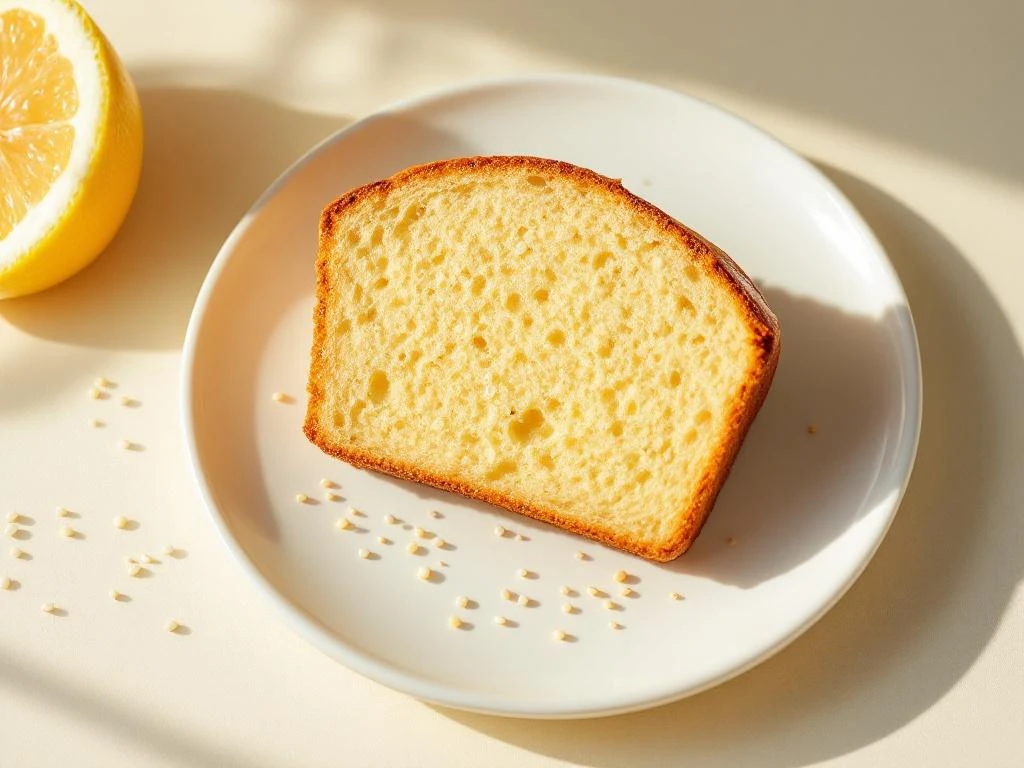
Baking gluten-free bread can feel tricky, but this lemon poppy seed loaf makes it simple. You’ll create a moist, flavourful bread that works perfectly for sensitive stomachs and low FODMAP diets. This recipe is beginner-friendly and takes about 15 minutes to prepare, plus 50 minutes for baking. You’ll need a gluten-free flour blend, fresh lemons, poppy seeds, basic baking ingredients, a loaf pan, and standard mixing equipment. The result is a tender, citrusy bread that stays fresh for days and freezes beautifully for meal prep.
Why gluten-free lemon poppy seed bread works for sensitive stomachs
Gluten-free baking removes wheat proteins that trigger digestive discomfort for many people with IBS. This bread uses a carefully balanced gluten-free flour blend that creates a light texture without the heaviness some gluten-free baked goods have.
Lemon adds bright flavour without causing digestive issues. Both the zest and juice are naturally low FODMAP in the amounts used for baking. The acidity helps activate baking powder, which creates better rise and texture in gluten-free recipes.
Poppy seeds provide a subtle crunch and nutty taste whilst being completely gut-friendly. They contain no FODMAPs and add visual appeal to the finished loaf. This combination creates a satisfying treat that doesn’t compromise your digestive comfort.
Gather your gluten-free baking essentials
Start with a quality gluten-free flour blend that contains xanthan gum or add it separately. You’ll need 300g of flour, which should include a mix of rice flour, tapioca starch, and potato starch for the best texture. Avoid blends with bean flours if you’re strictly following low FODMAP guidelines during the elimination phase.
For wet ingredients, gather 200g of caster sugar, 120ml of lactose-free milk or a suitable plant-based alternative (almond milk in small amounts works well), 3 large eggs at room temperature, and 120ml of a neutral oil like vegetable or light olive oil. You’ll also need 2 large lemons for both zest and juice.
Additional ingredients include 2 tablespoons of poppy seeds, 2 teaspoons of baking powder, half a teaspoon of bicarbonate of soda, half a teaspoon of salt, and 1 teaspoon of vanilla extract. These create the structure and flavour your bread needs.
Equipment-wise, you’ll need a 23cm loaf pan, two mixing bowls (one large, one medium), a whisk or electric mixer, a fine grater for lemon zest, a citrus juicer, measuring cups and spoons, and a cooling rack. Parchment paper or cooking spray will prevent sticking.
Low FODMAP substitution tips
If you’re avoiding dairy completely, replace butter with additional oil. Use coconut sugar instead of caster sugar if you prefer a lower glycaemic option. For egg-free baking, flax eggs work but may create a denser texture.
Mix and prepare your lemon poppy seed batter
Preheat your oven to 180°C (160°C fan). Line your loaf pan with parchment paper, leaving some overhang on the sides for easy removal later. This step prevents frustration when you’re trying to get the finished loaf out cleanly.
In your medium bowl, whisk together the gluten-free flour blend, baking powder, bicarbonate of soda, and salt. Make sure there are no lumps in the flour. This dry mixture ensures even distribution of leavening agents throughout your batter.
In the large bowl, combine the sugar with the zest of both lemons. Rub them together with your fingers for about 30 seconds. This releases the aromatic oils from the zest into the sugar, creating more intense lemon flavour throughout the bread.
Add the eggs to the sugar mixture and whisk vigorously for about 2 minutes until the mixture becomes pale and slightly fluffy. Pour in the oil, lactose-free milk, lemon juice (about 60ml from your zested lemons), and vanilla extract. Whisk until everything combines smoothly.
Pour the dry ingredients into the wet mixture. Fold gently with a spatula using broad strokes. Stop mixing as soon as you no longer see dry flour. Overmixing gluten-free batter can make your bread gummy rather than tender.
Fold in the poppy seeds with just a few gentle strokes. The batter should be thick but pourable, similar to a cake batter. If it seems too thick, add a tablespoon of milk. If it’s too thin, add a tablespoon of flour.
Success check for proper consistency
Your batter should slowly drop from a spoon rather than pour freely. It should spread in the pan but not be runny. This consistency ensures your bread will rise properly without becoming dense or dry.
Bake your gluten-free bread to perfection
Pour the batter into your prepared loaf pan. Smooth the top with your spatula, creating a slight depression down the centre. This helps the bread rise evenly rather than forming a large dome that might crack.
Place the pan in the centre of your preheated oven. Set a timer for 50 minutes. Avoid opening the oven door for at least the first 40 minutes, as temperature drops can cause gluten-free bread to sink in the middle.
At 50 minutes, check for doneness. The top should be golden brown and spring back lightly when touched. Insert a wooden skewer or toothpick into the centre. It should come out with just a few moist crumbs, not wet batter.
If the skewer shows wet batter, bake for another 5 to 10 minutes and test again. If the top is browning too quickly but the centre isn’t done, cover loosely with foil and continue baking. Gluten-free bread often needs a few extra minutes compared to wheat-based recipes.
Once done, remove the pan from the oven and place it on a cooling rack. Let the bread cool in the pan for 15 minutes. This cooling time lets the structure set properly. Gluten-free bread is fragile when hot and can fall apart if removed too soon.
After 15 minutes, use the parchment paper overhang to lift the loaf out of the pan. Place it directly on the cooling rack and let it cool completely before slicing. This takes about an hour but prevents gummy texture in the centre.
Visual cues for perfect baking
Watch for a golden colour that’s deeper at the edges. Small cracks on top are normal and actually indicate good rise. The bread should pull away slightly from the pan sides when fully baked.
Store and serve your lemon poppy seed loaf
Wait until your bread reaches room temperature before slicing. Use a sharp serrated knife with a gentle sawing motion. Gluten-free bread can crumble if you press too hard or use a dull blade. Clean your knife between slices for the neatest results.
Store the completely cooled loaf wrapped tightly in cling film or in an airtight container at room temperature. It stays fresh for 3 days this way. The moisture level remains better when you keep it whole rather than pre-sliced.
For longer storage, wrap individual slices or the whole loaf in cling film, then place in a freezer bag. Freeze for up to 3 months. Thaw slices at room temperature for about 30 minutes, or toast them directly from frozen for a warm breakfast option.
This bread tastes wonderful on its own or lightly toasted with a spread of lactose-free butter. It pairs beautifully with a cup of tea for breakfast or as an afternoon snack. Try it alongside fresh berries (strawberries are low FODMAP in small serves) for a simple dessert.
The subtle sweetness makes it versatile enough for both sweet and savoury pairings. Spread it with a thin layer of low FODMAP jam, or enjoy it plain to appreciate the bright lemon flavour. Some people like it with a light drizzle of lemon glaze made from icing sugar and lemon juice.
Serving suggestions for low FODMAP lifestyles
Serve with lactose-free yoghurt and a sprinkle of additional lemon zest for breakfast. Pack slices in lunchboxes as a satisfying snack that travels well. Toast and top with a poached egg for a more substantial meal option.
This gluten-free lemon poppy seed bread proves that following a low FODMAP diet doesn’t mean sacrificing flavour or texture. You’ve learned how to create a moist, tender loaf that supports your digestive health whilst satisfying your cravings for homemade baked goods. The techniques you’ve practised here work for other gluten-free bread recipes too, so you can adapt this method to create different flavour combinations. Keep experimenting with gut-friendly ingredients to build your collection of safe, delicious recipes.
Gluten-free lemon poppy seed bread
Cooking Time: 50-60 minutes | Portions: 10-12 slices
- 300g gluten-free flour blend (with xanthan gum)
- 200g caster sugar
- 3 large eggs, room temperature
- 120ml lactose-free milk or low FODMAP alternative
- 120ml neutral oil (vegetable or light olive oil)
- Zest and juice of 2 large lemons (about 60ml juice)
- 2 tablespoons poppy seeds
- 2 teaspoons baking powder
- ½ teaspoon bicarbonate of soda
- ½ teaspoon salt
- 1 teaspoon vanilla extract
Method:
- Preheat oven to 180°C (160°C fan) and line a 23cm loaf pan with parchment paper
- Whisk together flour, baking powder, bicarbonate of soda, and salt in a medium bowl
- Rub lemon zest into sugar in a large bowl, then whisk in eggs until pale and fluffy (2 minutes)
- Add oil, milk, lemon juice, and vanilla to the egg mixture and whisk until smooth
- Fold dry ingredients into wet ingredients until just combined
- Gently fold in poppy seeds
- Pour batter into prepared pan and smooth the top
- Bake for 50-60 minutes until golden and a skewer comes out with moist crumbs
- Cool in pan for 15 minutes, then transfer to a cooling rack
- Cool completely before slicing (about 1 hour)
- Store wrapped at room temperature for 3 days or freeze for up to 3 months
This recipe is for informational purposes only and is not medical or dietary advice. Please consult a healthcare professional before making any changes to your diet.
Related Articles
- Blueberry Walnut Breakfast Bars
- What are 5 signs your body has inflammation?
- What is the most common FODMAP trigger?
- Where is IBS pain usually felt?
- Gluten-Free English Muffin with Jam