
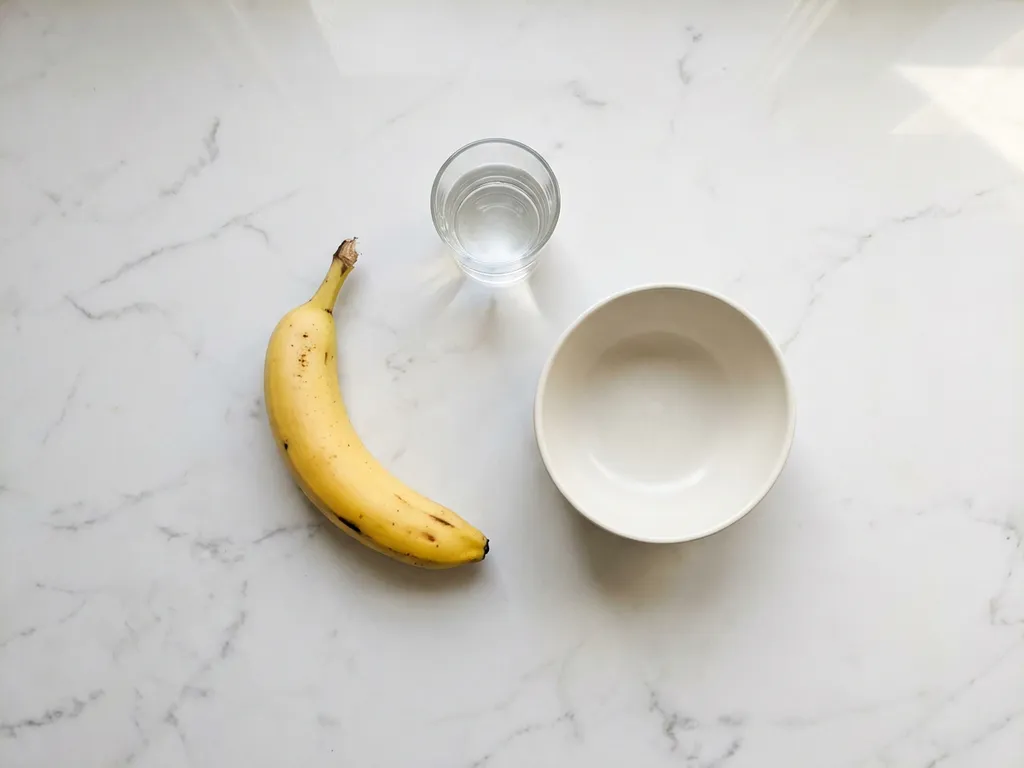
If you’re living with IBS and following a low-FODMAP diet, you’ve probably wondered whether bananas are safe to eat. The relationship between bananas and IBS symptoms can be confusing, especially since bananas are generally considered healthy fruit. The good news is that bananas can often be included in an IBS-friendly diet, but important details about ripeness, portion size, and individual tolerance make all the difference.
Understanding how bananas fit into your low-FODMAP diet requires looking at their FODMAP content, how ripeness affects digestibility, and what portion sizes work best for managing IBS symptoms. Let’s explore the key questions that will help you make informed decisions about including bananas in your low-FODMAP meal planning.
Are bananas high or low FODMAP?
Bananas are considered low FODMAP when eaten in appropriate serving sizes, but their FODMAP content varies significantly depending on ripeness. Unripe (green) bananas are lower in FODMAPs than very ripe bananas, making them generally safer for people following a low-FODMAP diet.
The FODMAP content in bananas primarily comes from fructose and oligosaccharides. As bananas ripen, their starch converts to sugars, including fructose, which can increase their FODMAP load. Green-to-yellow bananas typically contain lower levels of problematic FODMAPs than overripe bananas with brown spots.
According to Monash University’s FODMAP research, a medium banana (about 100 g) is considered low FODMAP, while larger portions or very ripe bananas may contain moderate to high levels of FODMAPs. This makes portion control and ripeness selection crucial when including bananas in your low-FODMAP diet.
Why do bananas sometimes trigger IBS symptoms?
Bananas can trigger IBS symptoms when eaten in large quantities, when they’re very ripe, or because of individual sensitivities beyond FODMAP content. The main culprits are excess fructose in overripe bananas and the fiber content that some people with IBS find difficult to digest.
Very ripe bananas contain higher levels of free fructose, which can cause digestive distress in people with fructose malabsorption. Additionally, bananas are relatively high in fiber—particularly resistant starch in unripe bananas—which can cause bloating and gas in sensitive individuals.
Some people also experience symptoms due to bananas’ natural compounds, such as histamine or tyramine, which aren’t related to FODMAP content but can still trigger digestive issues. Individual tolerance varies significantly, so what works for one person following a low-FODMAP diet may not work for another.
How much banana can you eat on a low FODMAP diet?
On a low-FODMAP diet, you can typically eat up to one medium banana (approximately 100 g, or about 6 inches long) per serving. This portion size keeps you within the low-FODMAP threshold while providing nutritional benefits without triggering symptoms.
It’s important to space out banana consumption throughout the day rather than eating multiple servings at once. If you want banana in your morning smoothie and as an afternoon snack, consider using half a banana each time rather than eating a full banana twice a day.
During the elimination phase of the low-FODMAP diet, start with smaller portions, such as half a banana, to test your individual tolerance. Some people may find they can tolerate slightly larger portions, while others may need to stick to smaller amounts or avoid bananas altogether during the strictest phase of their diet.
What’s the difference between green and ripe bananas for IBS?
Green bananas are generally better tolerated by people with IBS because they contain less fructose and more resistant starch, making them lower in FODMAPs than fully ripe bananas. However, the resistant starch in green bananas can cause bloating in some sensitive individuals.
As bananas ripen from green to yellow to brown-spotted, their starch converts to simple sugars, including fructose. This process increases the FODMAP content, making very ripe bananas more likely to trigger IBS symptoms. Yellow bananas with minimal brown spots are the sweet spot for many people following a low-FODMAP diet.
Green bananas also have a firmer texture and a less sweet taste, which some people prefer for cooking applications such as banana bread or smoothies. The resistant starch in green bananas can act as a prebiotic, potentially benefiting gut health, though this same fiber can cause initial digestive discomfort in sensitive individuals.
How can you include bananas safely in an IBS diet?
To include bananas safely in your IBS diet, choose yellow bananas with minimal brown spots, stick to one medium banana per serving, and monitor your individual response. Start with smaller portions during the elimination phase and gradually increase as tolerated.
Consider these practical strategies for banana consumption:
- Eat bananas as part of a balanced meal rather than on an empty stomach
- Pair bananas with low-FODMAP proteins or fats to slow digestion
- Choose firmer, less ripe bananas over soft, very sweet ones
- Keep a food diary to track your response to different banana ripeness levels
- Space banana consumption throughout the day rather than eating multiple servings at once
If you’re in the reintroduction phase of the low-FODMAP diet, test bananas systematically by trying different ripeness levels and portion sizes while keeping other variables constant. This approach helps you determine your personal tolerance level.
What are the best banana alternatives for IBS?
If bananas trigger your IBS symptoms, excellent low-FODMAP alternatives include strawberries, blueberries, kiwifruit, oranges, and grapes, all of which provide similar nutritional benefits with different FODMAP profiles. These fruits can substitute for bananas in smoothies, snacks, and recipes.
For smoothies, try using strawberries or blueberries combined with lactose-free yogurt for creaminess. Kiwifruit provides potassium comparable to bananas, while oranges offer vitamin C and fiber. Grapes can satisfy sweet cravings and work well as portable snacks.
When baking, you can often substitute mashed banana with applesauce, pumpkin purée, or mashed strawberries in low-FODMAP recipes. These alternatives provide moisture and natural sweetness while keeping your baked goods within FODMAP guidelines. Remember to check portion sizes for any fruit alternative, as even low-FODMAP foods can become problematic in large quantities.
This information is for educational purposes only and is not medical or dietary advice. Please consult a healthcare professional before making any changes to your diet.
Related Articles
- What bread is best on a low-FODMAP diet?
- What ice cream is low FODMAP?
- Does Gatorade help with IBS?
- Are pickles low FODMAP?
- Coconut Flour Crepes with Strawberries