
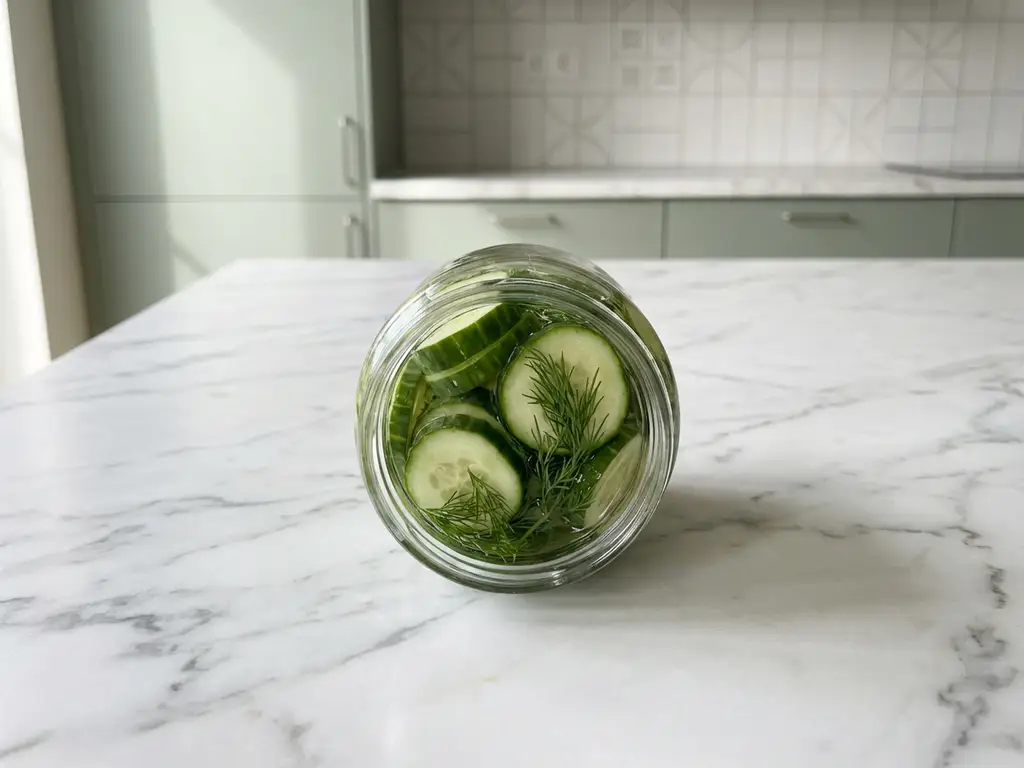
Pickles are a beloved snack and condiment, but if you’re following a low-FODMAP diet for IBS management, you might wonder whether these tangy treats fit into your meal plan. The good news is that many pickles can be enjoyed on a low-FODMAP diet, but the devil is in the details of ingredients and serving sizes.
Understanding which pickles are safe—and how much you can eat—requires knowing the difference between pickle types, reading labels carefully, and being aware of potential FODMAP triggers. Let’s dive into everything you need to know about enjoying pickles while managing your digestive health.
Are pickles low FODMAP and safe for IBS?
Most plain pickles made from cucumbers, water, vinegar, and salt are low FODMAP and safe for people with IBS when consumed in appropriate portions. The pickling process itself doesn’t add FODMAPs, and cucumbers are naturally low in fermentable carbohydrates that can trigger IBS symptoms.
However, not all pickles are created equal. Whether pickles are suitable on a low-FODMAP diet depends heavily on the ingredients used and the serving size. Traditional dill pickles without added sugar, garlic, or onion are typically your safest bet. The vinegar used in most commercial pickles is also low FODMAP, making them suitable for most people following the diet.
When choosing pickles for your low-FODMAP meal plan, stick to varieties that contain only cucumbers, water, vinegar, salt, and low-FODMAP herbs like dill. These basic ingredients are unlikely to trigger digestive symptoms and can add flavor and crunch to your meals without compromising your dietary goals.
What pickle ingredients are high FODMAP?
Several common pickle ingredients can make them unsuitable for a low-FODMAP diet, including garlic, onion, high-fructose corn syrup, and certain artificial sweeteners. These ingredients are frequently found in flavored pickle varieties and can trigger IBS symptoms even in small amounts.
Garlic and onion are the most problematic ingredients you’ll encounter in pickle products. Even garlic powder and onion powder contain enough FODMAPs to cause issues for sensitive individuals. Many gourmet or specialty pickles use these ingredients for enhanced flavor, so always check the ingredient list carefully.
Sweetened pickles pose another challenge, as they often contain high-fructose corn syrup or excessive amounts of sugar that can exceed low-FODMAP limits. Some sugar-free varieties use sorbitol or other polyol sweeteners, which are high FODMAP and can cause digestive distress. Bread-and-butter pickles, sweet gherkins, and candied pickles typically fall into this category and should be avoided on a strict low-FODMAP diet.
How many pickles can you eat on a low-FODMAP diet?
The recommended serving size for low-FODMAP pickles is typically 2–3 medium pickles, or about 65 grams per serving. This portion size helps ensure you stay within safe FODMAP limits while still enjoying the flavor and nutritional benefits of pickles.
Portion control is crucial because even low-FODMAP foods can become problematic in large quantities. While cucumbers themselves are very low in FODMAPs, consuming excessive amounts of any food can potentially trigger symptoms in highly sensitive individuals. The sodium content in pickles also makes moderation important for overall health.
If you’re in the elimination phase of the low-FODMAP diet, start with a smaller portion of 1–2 pickles to assess your individual tolerance. During the reintroduction phase, you can gradually test larger portions to determine your personal threshold. Remember that everyone’s sensitivity differs, so what works for others may not work for you.
What’s the difference between fermented and vinegar pickles for FODMAP?
Vinegar-based pickles are generally more predictable on a low-FODMAP diet than fermented pickles because they don’t undergo bacterial fermentation, which can affect FODMAP content. Most commercial pickles are vinegar-based, using acetic acid to create the characteristic tangy flavor without introducing additional fermentable compounds.
Fermented pickles, while potentially offering probiotic benefits, can be more variable in their FODMAP content. The fermentation process involves bacteria breaking down sugars and other compounds, which can sometimes create or concentrate FODMAPs. Traditional lacto-fermented pickles may contain higher levels of certain compounds that could trigger symptoms in sensitive individuals.
However, this doesn’t mean all fermented pickles are off-limits. Some fermented varieties, particularly those made with simple ingredients and proper fermentation techniques, may still be tolerable. The key is to test small amounts carefully and choose products from reputable manufacturers that consider FODMAP sensitivities. When in doubt, stick with vinegar-based pickles for more predictable results.
Which pickle brands are low-FODMAP friendly?
Several mainstream pickle brands offer low-FODMAP options, though you’ll need to read labels carefully, as formulations can vary between product lines. Look for brands that produce classic dill pickles with minimal ingredients: cucumbers, water, vinegar, salt, and dill.
Many store brands and national brands offer basic dill pickles that meet low-FODMAP criteria. The key is to avoid flavored varieties, sweet pickles, and any products that list garlic, onion, or high-FODMAP sweeteners in their ingredients. Some organic brands tend to use simpler ingredient lists, making them easier to evaluate for FODMAP compliance.
Rather than recommending specific brands—which can change their formulations—focus on reading ingredient labels consistently. A FODMAP-friendly pickle should have a short, simple ingredient list without any of the problematic ingredients mentioned earlier. When shopping, compare several options and choose the one with the simplest ingredient profile that fits your taste preferences.
How do you make low-FODMAP pickles at home?
Making low-FODMAP pickles at home is straightforward and gives you complete control over the ingredients. You’ll need fresh cucumbers, white vinegar, water, salt, and low-FODMAP seasonings like dill, mustard seeds, or peppercorns to create delicious homemade pickles.
The basic process involves making a brine with equal parts water and vinegar, adding salt and your chosen seasonings, then submerging sliced cucumbers in the mixture. For quick pickles, refrigerate them for at least 2 hours before eating, though longer marinating times develop better flavor. This method yields fresh, crisp pickles without any questionable ingredients.
Homemade pickles also allow you to experiment with different low-FODMAP herbs and spices. Try adding fresh dill, bay leaves, mustard seeds, coriander seeds, or black peppercorns for variety. You can also adjust the salt and vinegar levels to suit your taste preferences while maintaining the food-safety and preservation benefits of proper pickling.
Simple Low-FODMAP Dill Pickles
Cooking Time: 15 minutes prep + 2 hours marinating | Portions: Makes about 2 cups
Ingredients:
- 4–5 medium cucumbers, sliced into spears or rounds
- 1 cup white vinegar
- 1 cup water
- 2 tablespoons salt
- 2 tablespoons fresh dill (or 1 tablespoon dried dill)
- 1 teaspoon mustard seeds (optional)
- 1/2 teaspoon black peppercorns (optional)
Instructions:
- Wash and slice the cucumbers into your preferred shape.
- In a saucepan, combine the vinegar, water, and salt. Heat until the salt dissolves completely.
- Add the dill and optional spices to the hot brine.
- Place the cucumber slices in a clean jar or container.
- Pour the hot brine over the cucumbers, ensuring they’re completely covered.
- Cool to room temperature, then refrigerate for at least 2 hours before serving.
- Store in the refrigerator for up to 2 weeks.
This recipe is for informational purposes only and is not medical or dietary advice. Please consult a healthcare professional before making any changes to your diet.
Related Articles
- Blueberry Quinoa Porridge
- Strawberry Almond Smoothie
- What bread is best on a low-FODMAP diet?
- What meat can I eat on low FODMAP?
- Poached Eggs on Gluten-Free Toast