
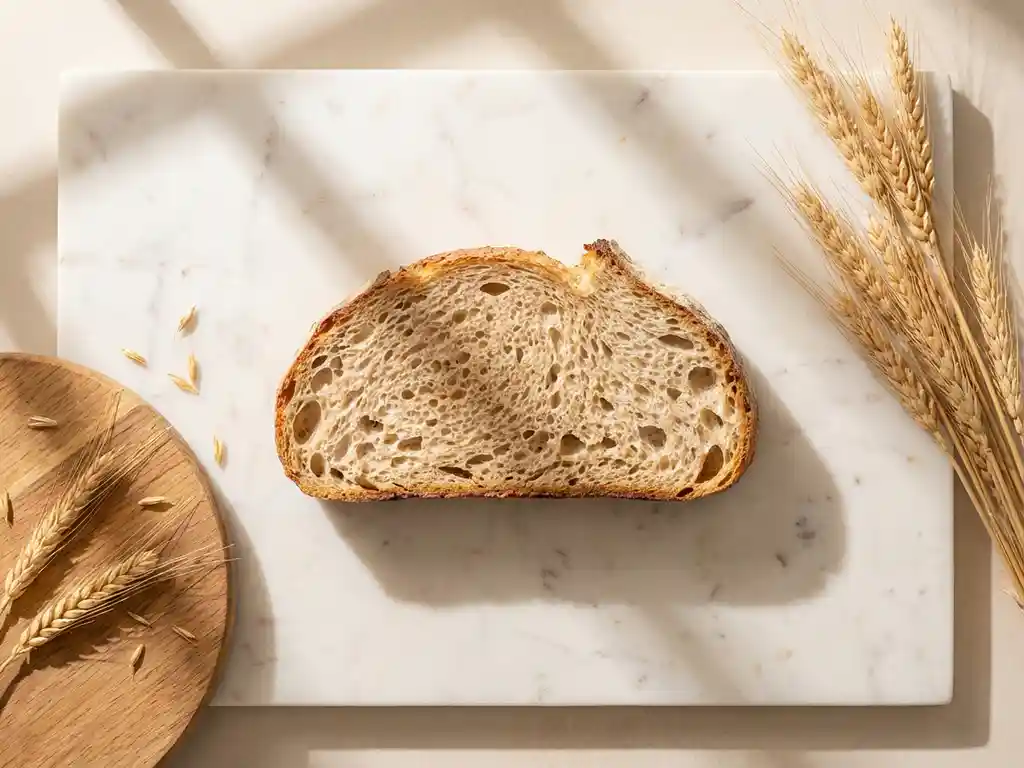
Choosing the right bread on a low-FODMAP diet can feel overwhelming when you’re standing in the grocery store aisle, reading ingredient labels, and wondering which loaves are safe for your digestive system. Understanding which breads work with the low-FODMAP diet is crucial for maintaining both your gut health and your enjoyment of meals.
The good news is that you don’t have to give up bread entirely when following a low-FODMAP diet. With the right knowledge about ingredients, portion sizes, and specific bread types, you can continue enjoying toast, sandwiches, and your favorite bread-based meals while managing your IBS symptoms effectively.
What makes bread high or low in FODMAPs?
Bread becomes high in FODMAPs primarily because wheat flour contains fructans and because of added ingredients such as honey, high-fructose corn syrup, or certain fibers. The fermentation process, the type of yeast used, and the specific grains all influence the final FODMAP content of bread.
Traditional wheat bread contains fructans, a type of oligosaccharide that can trigger digestive symptoms in people with IBS. These fructans are naturally present in wheat and become concentrated in regular flour. Additionally, many commercial breads include high-FODMAP ingredients such as honey for sweetness, inulin for fiber, or garlic powder for added flavor.
The fermentation process plays a crucial role in determining FODMAP levels. Long fermentation periods, like those used in traditional sourdough making, can break down some fructans, potentially making the bread more tolerable. However, this doesn’t automatically make all fermented breads low-FODMAP, as the reduction may not be sufficient for sensitive individuals.
Which types of bread are safe on a low-FODMAP diet?
Spelt sourdough bread, gluten-free breads made with rice or corn flour, and certain wheat-free alternatives are considered safe options on a low-FODMAP diet. These breads either use naturally low-FODMAP grains or undergo processes that reduce their FODMAP content.
Spelt sourdough stands out as one of the most accessible options for those following a low-FODMAP diet. The combination of spelt flour and traditional sourdough fermentation creates a bread that many people with IBS can tolerate well. Look for authentic sourdough that lists only spelt flour, water, salt, and sourdough starter as ingredients.
Rice-based and corn-based breads offer excellent alternatives, as both rice and corn are naturally low in FODMAPs. These gluten-free options work particularly well for people who also need to avoid gluten. Oat bread can also be suitable, provided it’s made with certified gluten-free oats and doesn’t contain high-FODMAP additives.
Some specialty low-FODMAP bread brands have emerged in recent years, specifically formulated to meet dietary restrictions while maintaining good taste and texture. These products often use alternative flours and carefully selected ingredients to create bread that fits within FODMAP guidelines.
How much bread can you eat on a low-FODMAP diet?
Most people following a low-FODMAP diet can safely consume 1–2 slices of appropriate low-FODMAP bread per serving. Portion control remains important even with compliant breads, as larger quantities may still trigger symptoms in sensitive individuals.
The Monash University FODMAP app, which is considered the gold standard for FODMAP information, provides specific serving-size recommendations for different bread types. For spelt sourdough, the recommended serving is typically two slices, while some gluten-free breads may have different portion guidelines based on their specific ingredients.
Individual tolerance varies significantly among people with IBS, so what works for one person may not work for another. Start with smaller portions when trying a new bread type, and gradually increase to find your personal tolerance level. Keep a food diary to track how different breads and portion sizes affect your symptoms.
What’s the difference between regular sourdough and low-FODMAP sourdough?
Low-FODMAP sourdough uses spelt or other low-FODMAP flours instead of wheat flour and undergoes traditional long fermentation. Regular sourdough typically contains wheat flour, which remains high in FODMAPs even after fermentation.
The key difference lies in the base flour used. Traditional sourdough bread uses wheat flour as its primary ingredient, and while the fermentation process may reduce some FODMAP content, it doesn’t reduce it enough to make the bread suitable for most people following a strict low-FODMAP diet. The fructans in wheat remain problematic for many individuals with IBS.
True low-FODMAP sourdough substitutes spelt flour or other compliant flours for wheat. Spelt contains lower levels of fructans than modern wheat varieties, and when combined with proper sourdough fermentation, the result is a bread that fits within low-FODMAP guidelines. The fermentation process must be authentic, using wild yeast cultures rather than commercial yeast with added ingredients.
Are gluten-free breads always low in FODMAPs?
Gluten-free breads are not automatically low in FODMAPs, as they may contain high-FODMAP ingredients such as chicory root fiber, honey, or certain fruit concentrates. The gluten-free label addresses gluten content only, not FODMAP levels.
Many commercial gluten-free breads include ingredients that can be problematic for people following a low-FODMAP diet. Inulin and chicory root fiber are common additions used to improve texture and fiber content, but both are high in FODMAPs. Similarly, some gluten-free breads use apple juice concentrate, honey, or agave syrup for sweetness, all of which can trigger symptoms.
Safe gluten-free bread options focus on naturally low-FODMAP ingredients such as rice flour, corn flour, potato starch, and tapioca starch. Always read ingredient lists carefully, looking for simple formulations without added fibers, sweeteners, or flavor enhancers that might contain FODMAPs. Some specialty brands specifically market their products as both gluten-free and low-FODMAP, making shopping easier for those with multiple dietary restrictions.
How do you find low-FODMAP bread in grocery stores?
Look for breads in the gluten-free section made with rice, corn, or potato flour, or seek out spelt sourdough in the bakery section. Read ingredient labels carefully, avoiding breads with honey, inulin, chicory root, or garlic powder.
Start your search in the gluten-free aisle, as this section often contains the most suitable options for low-FODMAP dieters. However, don’t limit yourself to this area alone. Some bakeries now carry spelt sourdough or other alternative-grain breads that may work well. Health food stores and specialty markets often have a wider selection of compliant breads than conventional supermarkets.
When reading labels, look for short ingredient lists with recognizable components. Ideal breads contain flour from safe grains, water, salt, and either sourdough starter or yeast. Avoid breads with added sugars beyond small amounts of cane sugar, and be wary of any ingredients you don’t recognize, as these may be FODMAP-containing additives or preservatives.
Consider exploring online retailers if local options are limited. Many specialty low-FODMAP bread companies ship nationwide and offer products specifically formulated to meet dietary restrictions. We also provide practical shopping guides and product recommendations to help you navigate the sometimes confusing world of low-FODMAP grocery shopping.
This recipe is for informational purposes only and is not medical or dietary advice. Please consult a healthcare professional before making any changes to your diet.
Related Articles
- Is cottage cheese low in FODMAP?
- Rice Porridge with Maple Syrup
- Turkey Sausage and Egg Skillet
- Coconut Milk Quinoa Porridge
- Blueberry Coconut Smoothie Bowl