
Gut inflammation can significantly affect your digestive health and overall well-being, especially if you’re following a low-FODMAP diet or managing IBS symptoms. The beverages you choose can either soothe your digestive system or trigger uncomfortable symptoms such as bloating, cramping, and irregular bowel movements.
Understanding which drinks support gut healing—and which to avoid—is crucial for maintaining digestive balance. We’ll explore evidence-based hydration strategies that align with low-FODMAP principles and help reduce inflammatory responses in your digestive tract.
What causes gut inflammation and why does it matter?
Gut inflammation occurs when the intestinal lining becomes irritated by various triggers, including certain foods, stress, medications, or bacterial imbalances. This inflammatory response can disrupt gut barrier function, leading to increased permeability and digestive symptoms commonly associated with IBS and other gastrointestinal conditions.
When your gut is inflamed, it may struggle to absorb nutrients properly and maintain healthy levels of beneficial bacteria. Inflammation can also trigger the release of inflammatory compounds that affect not only your digestive system but your entire body. For individuals following a low-FODMAP diet, managing inflammation becomes particularly important because an already sensitive digestive system needs extra support to heal and function optimally.
Chronic gut inflammation can perpetuate a cycle in which otherwise normal foods become triggers, making it harder to expand your diet during the FODMAP reintroduction phase. This is why choosing anti-inflammatory beverages is a strategic part of an overall gut-healing approach.
Which drinks are best for reducing gut inflammation?
The most effective anti-inflammatory drinks include plain water, bone broth, green tea, and specific herbal teas such as chamomile and peppermint. These beverages provide hydration while delivering compounds that actively support gut healing and reduce inflammatory responses.
Water remains the foundation of gut health, helping maintain proper digestion and nutrient absorption. Bone broth contains collagen and amino acids such as glutamine that support intestinal lining repair. Green tea provides polyphenols with anti-inflammatory properties, though it should be consumed in moderation because of its caffeine content.
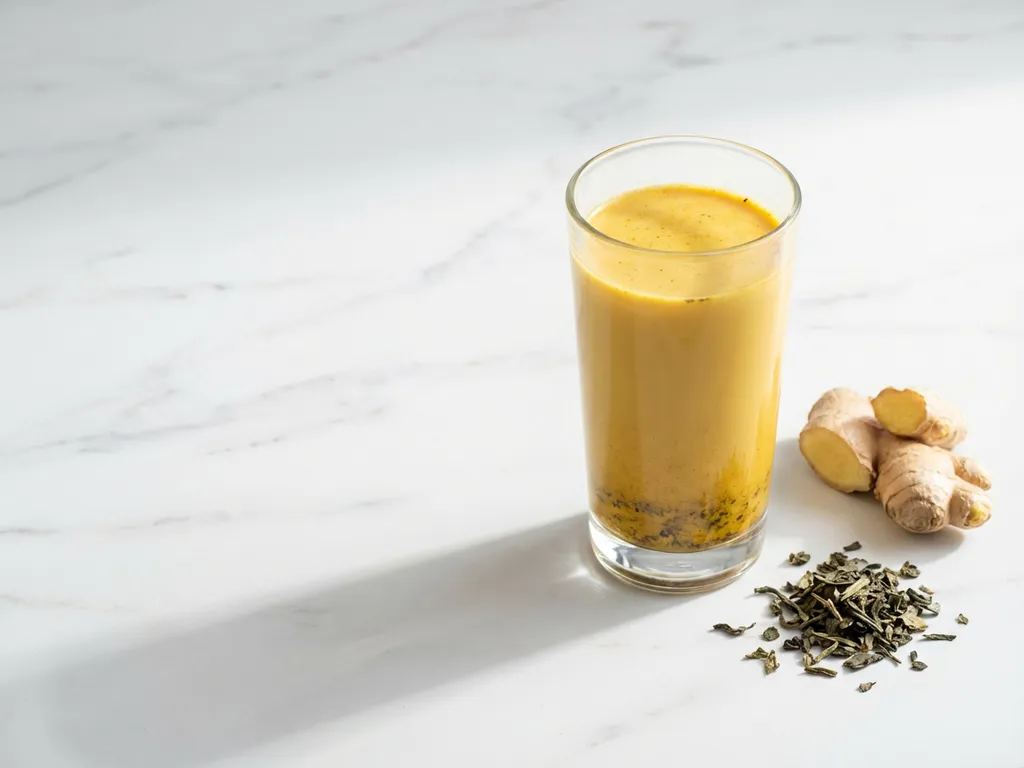
Fresh ginger tea can help reduce inflammation while supporting digestive motility. Coconut water offers natural electrolytes without high-FODMAP content, making it suitable for those following low-FODMAP guidelines. When preparing these drinks, avoid adding high-FODMAP sweeteners such as honey or agave; instead, use small amounts of maple syrup or glucose if sweetening is needed.
What drinks should you avoid with gut inflammation?
Beverages to avoid include alcohol, high-caffeine drinks, carbonated sodas, fruit juices high in fructose, and dairy-based drinks if you’re lactose intolerant. These drinks can exacerbate inflammation and trigger digestive symptoms in sensitive individuals.
Alcohol is particularly problematic because it can increase intestinal permeability and disrupt the balance of the gut microbiome. High-caffeine beverages such as energy drinks or excessive coffee can stimulate the digestive tract and worsen symptoms in people with IBS. Carbonated drinks may cause additional bloating and gas, especially when the gut is already inflamed.
Many commercial fruit juices contain high levels of fructose, a high-FODMAP sugar that can ferment in the gut and increase inflammation. Sports drinks often contain artificial sweeteners or high-FODMAP ingredients that can trigger symptoms. Even seemingly healthy options such as kombucha may be problematic during acute inflammation phases because of fermentation byproducts.
How do herbal teas help heal the gut?
Herbal teas can help heal the gut by providing anti-inflammatory compounds, soothing irritated tissues, and supporting digestive function without adding stress to the system. Many herbs contain bioactive compounds that specifically target inflammatory pathways in the digestive tract.
Chamomile tea contains apigenin and other flavonoids that have documented anti-inflammatory effects on intestinal tissues. Peppermint tea provides menthol, which can help relax intestinal muscles and reduce spasms while offering mild anti-inflammatory benefits. These effects make peppermint particularly useful for IBS symptoms.
Fennel tea supports digestive function and may help reduce bloating, while turmeric tea provides curcumin, a powerful anti-inflammatory compound. When selecting herbal teas for gut healing, choose single-ingredient teas rather than blends to avoid potentially high-FODMAP herbs or additives. Steep teas for the recommended time to extract beneficial compounds without creating overly strong flavors that might irritate a sensitive stomach.
Can probiotic drinks reduce gut inflammation?
Probiotic drinks may help reduce gut inflammation by introducing beneficial bacteria that support microbiome balance and immune function. However, their effectiveness depends on the specific strains used and individual tolerance.
Research suggests that certain probiotic strains, particularly Lactobacillus and Bifidobacterium species, can help reduce inflammatory markers in the gut. These beneficial bacteria produce short-chain fatty acids that nourish intestinal cells and support barrier function. However, for individuals following a low-FODMAP diet, many commercial probiotic drinks contain high-FODMAP ingredients such as inulin or excess lactose.
When considering probiotic drinks, look for options specifically labeled low-FODMAP, or choose plain kefir in small amounts if you tolerate lactose. Some people may experience temporary digestive upset when introducing probiotics, especially during active inflammation phases. It’s often better to focus on anti-inflammatory beverages first, then gradually introduce probiotics as your gut begins to heal.
How much water should you drink for gut health?
For optimal gut health, aim for 8–10 glasses of water daily, adjusting based on your activity level, climate, and individual needs. Proper hydration supports digestive enzyme function, nutrient absorption, and healthy bowel movements.
Water plays a crucial role in maintaining the mucosal lining of your intestines and supporting the transport of nutrients across the gut barrier. Dehydration can worsen constipation and make inflammatory symptoms more pronounced. For people managing IBS or following a low-FODMAP diet, consistent hydration becomes even more important as the digestive system works to process foods efficiently.
Spread your water intake throughout the day rather than consuming large amounts at once. Drinking water between meals rather than with meals may help prevent dilution of digestive enzymes. If plain water feels boring, try infusing it with low-FODMAP options such as cucumber slices, fresh mint, or a small amount of lemon juice to encourage consistent hydration without triggering symptoms.
This recipe is for informational purposes only and is not medical or dietary advice. Please consult a healthcare professional before making any changes to your diet.
Related Articles
- Egg and Tomato Breakfast Wrap
- Buckwheat Pancakes with Blueberry Compote
- Strawberry Chia Breakfast Parfait
- Chia Seed Pudding with Raspberries
- What meat can I eat on low FODMAP?