
Starting your day with a satisfying breakfast while following a low-FODMAP diet doesn’t have to be complicated or restrictive. The low-FODMAP diet, designed to help manage IBS symptoms, focuses on avoiding certain carbohydrates that can trigger digestive discomfort. With the right knowledge about which foods are safe to eat, you can create delicious morning meals that support your digestive health.
Understanding which breakfast foods fit within low-FODMAP guidelines is essential for maintaining variety and nutrition in your morning routine. From grains and fruits to proteins and beverages, there are plenty of options available to create satisfying meals that won’t leave you feeling deprived or hungry before lunch.
What makes a breakfast food low FODMAP?
A breakfast food is considered low FODMAP when it contains minimal amounts of fermentable oligosaccharides, disaccharides, monosaccharides, and polyols. These specific carbohydrates can be poorly absorbed in the small intestine and may trigger IBS symptoms in sensitive individuals.
The FODMAP content of foods is determined through laboratory testing that measures the concentration of these problematic carbohydrates. Foods are classified as low FODMAP when they contain less than 0.5 grams of FODMAPs per serving, making them generally safe for most people following the diet. However, portion sizes matter significantly, as even low-FODMAP foods can become problematic when consumed in large quantities.
Common high-FODMAP ingredients to avoid at breakfast include wheat-based cereals, certain fruits like apples and pears, milk and yogurt containing lactose, and sweeteners like honey or agave. Understanding these restrictions helps you make informed choices when planning your morning meals.
Which grains and cereals are safe for low FODMAP breakfast?
Safe low-FODMAP grains for breakfast include oats, quinoa, rice-based cereals, and gluten-free breads made from rice or potato flour. These options provide essential carbohydrates and fiber without triggering digestive symptoms.
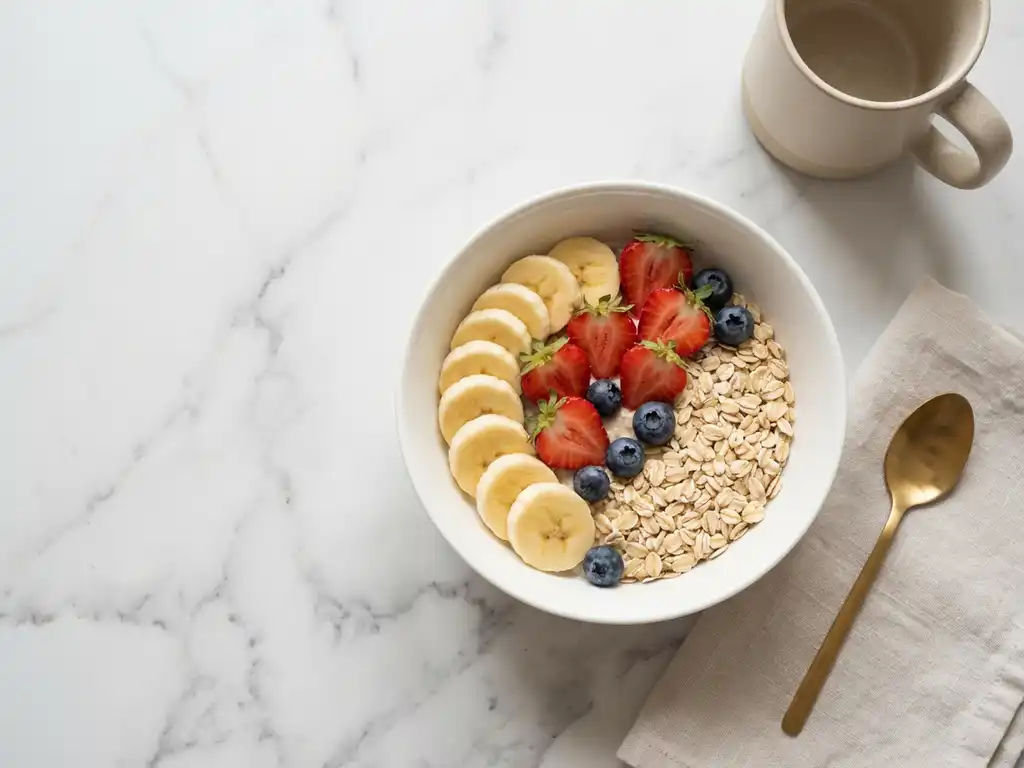
Oats are particularly versatile and can be prepared as porridge, overnight oats, or added to smoothies. Choose certified gluten-free oats to avoid cross-contamination. A standard serving of rolled oats (1/2 cup dry) remains within low-FODMAP limits and provides sustained energy throughout the morning.
Rice-based cereals like puffed rice or rice flakes offer quick breakfast solutions. Quinoa, while technically a seed, functions like a grain and can be cooked as a warm breakfast porridge or prepared cold as a breakfast bowl base. When selecting packaged cereals, always check ingredient lists for high-FODMAP additives like inulin, chicory root, or wheat-based ingredients.
What fruits can you eat for breakfast on a low FODMAP diet?
Low-FODMAP fruits suitable for breakfast include strawberries, blueberries, oranges, bananas, grapes, and kiwifruit. These fruits provide natural sweetness, vitamins, and antioxidants while staying within safe FODMAP limits when consumed in appropriate portions.
Berries are excellent choices because they’re naturally lower in FODMAPs and high in fiber and antioxidants. A serving of 1 cup of strawberries or 3/4 cup of blueberries fits comfortably within low-FODMAP guidelines. Citrus fruits like oranges offer vitamin C and can add brightness to breakfast bowls or smoothies.
Bananas are particularly convenient for busy mornings, but portion control is important. One medium unripe banana is considered low FODMAP, while ripe bananas should be limited to smaller portions. Always avoid dried fruit, large quantities of fruit juice, and high-FODMAP fruits like apples, pears, and stone fruits during the elimination phase of the diet.
Are eggs and dairy products allowed in low FODMAP breakfast?
Eggs are completely FODMAP-free and can be prepared in any style for breakfast. Most hard cheeses and lactose-free dairy products are also safe options, while regular milk and soft cheeses should be avoided or replaced with suitable alternatives.
Eggs provide high-quality protein and healthy fats, making them an ideal foundation for low-FODMAP breakfasts. Whether scrambled, poached, or made into an omelet, eggs offer versatility and nutritional value without any FODMAP concerns. They can be combined with low-FODMAP vegetables and herbs for added flavor and nutrients.
For dairy products, choose lactose-free milk, hard cheeses like cheddar or Swiss, and small amounts of cream. Butter is generally well tolerated, as it contains minimal lactose. Plant-based alternatives like almond milk, coconut milk, or oat milk can replace regular dairy milk, though portion sizes may need monitoring depending on the specific product and additives used.
How do you make low FODMAP smoothies and drinks?
Low-FODMAP smoothies combine safe fruits, lactose-free or plant-based milk, and optional protein sources like protein powder or nut butters. Use berries, banana, citrus fruits, and spinach as your base ingredients, avoiding high-FODMAP fruits and regular dairy milk.
Start with a liquid base of lactose-free milk, almond milk, or coconut milk. Add 1 cup of strawberries or 3/4 cup of blueberries for sweetness and antioxidants. A handful of spinach provides nutrients without affecting the taste, while a tablespoon of peanut or almond butter adds protein and healthy fats.
For additional protein, choose a low-FODMAP protein powder without added inulin or artificial sweeteners. Vanilla or unflavored options work best. You can also add a tablespoon of chia seeds or ground flaxseed for omega-3 fatty acids and fiber. Avoid adding honey, dates, or other high-FODMAP sweeteners, opting instead for a small amount of maple syrup if needed.
What are some quick low FODMAP breakfast ideas?
Quick low-FODMAP breakfast options include overnight oats with berries, scrambled eggs with spinach, rice cakes with peanut butter and banana, or a smoothie made with safe fruits and lactose-free milk. These meals require minimal preparation time while providing balanced nutrition.
Overnight oats can be prepared in batches by combining rolled oats with lactose-free milk and topping with strawberries or blueberries. This make-ahead option saves time during busy mornings and can be customized with different low-FODMAP toppings throughout the week.
For protein-rich options, scrambled eggs with sautéed spinach and a slice of gluten-free toast provide a complete meal in under 10 minutes. Rice cakes topped with almond butter and sliced banana offer a portable option for eating on the go. We often recommend keeping these simple combinations in mind when planning your weekly meal prep to ensure you always have safe, satisfying breakfast options available.
Low-FODMAP Berry Smoothie Bowl
Cooking Time: 5 minutes | Portions: 1
Ingredients:
- 1 cup frozen strawberries
- 1/2 medium unripe banana
- 1/2 cup lactose-free milk
- 1 tablespoon almond butter
- 1/4 cup fresh blueberries
- 1 tablespoon pumpkin seeds
- 1 teaspoon maple syrup (optional)
Instructions:
- Blend the frozen strawberries, banana, lactose-free milk, and almond butter until smooth and thick.
- Pour the mixture into a bowl.
- Top with the fresh blueberries and pumpkin seeds.
- Drizzle with maple syrup, if desired.
- Serve immediately.
This recipe is for informational purposes only and is not medical or dietary advice. Please consult a healthcare professional before making any changes to your diet.
Related Articles
- Ham and Cheese Egg Bake
- Strawberry Almond Smoothie
- Maple Walnut Overnight Oats
- Poached Eggs on Gluten-Free Toast
- Spinach and Tomato Egg Cups