
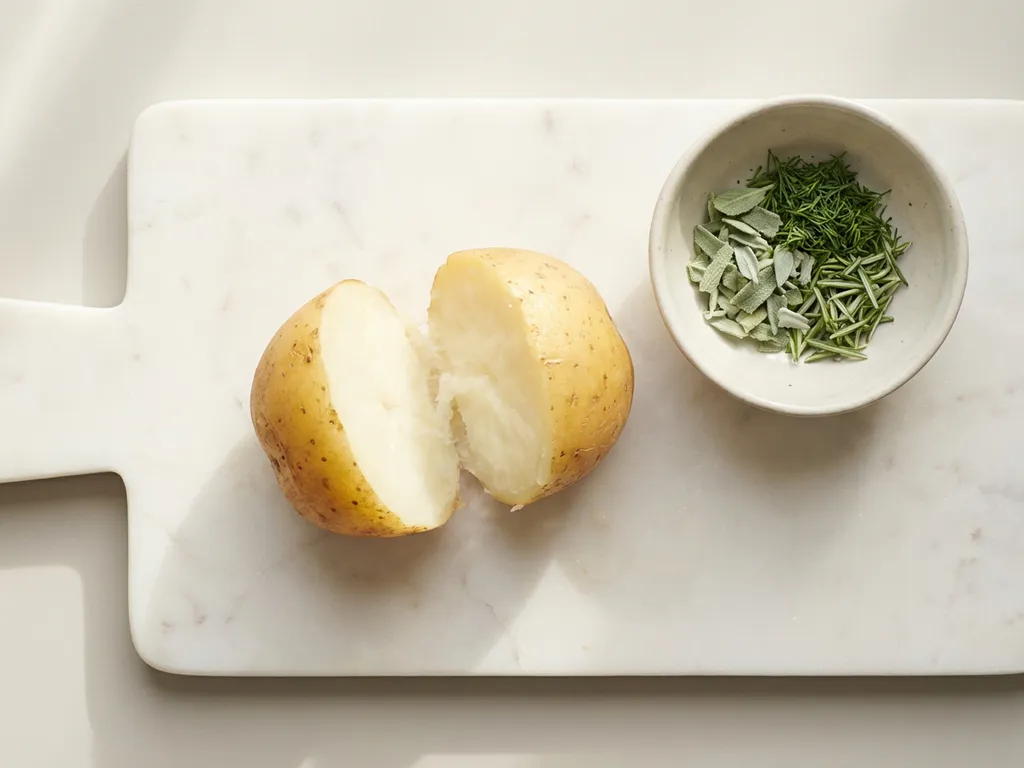
If you’re managing IBS with diarrhea, you’ve likely wondered whether potatoes can be part of your symptom-management strategy. As someone who understands the challenges of navigating dietary restrictions with digestive sensitivities, we know how important it is to find foods that are both nourishing and gentle on your system.
Potatoes can indeed be beneficial for IBS with diarrhea when prepared and consumed correctly. These versatile root vegetables are naturally low FODMAP in appropriate portions and contain properties that may help firm stool consistency. However, the type of potato, preparation method, and serving size all play crucial roles in determining whether they’ll support or hinder your digestive health.
Are potatoes low FODMAP and safe for IBS?
Yes, potatoes are considered low FODMAP and generally safe for people with IBS when consumed in appropriate portions. According to Monash University’s FODMAP testing, most potato varieties contain minimal amounts of fermentable carbohydrates that typically trigger IBS symptoms.
The low FODMAP status applies to common potato varieties, including russet, red, and white potatoes. These contain primarily starch and minimal amounts of oligosaccharides, disaccharides, monosaccharides, and polyols that characterize high FODMAP foods. This makes potatoes a reliable carbohydrate source for those following a low FODMAP diet.
However, portion control remains important. While potatoes are low FODMAP, consuming very large quantities could potentially contribute to digestive discomfort in sensitive individuals. The key is understanding appropriate serving sizes and preparation methods that maximize their digestive benefits.
How do potatoes affect IBS diarrhea symptoms?
Potatoes can help manage IBS with diarrhea by providing soluble fiber and resistant starch, which work together to firm stool consistency and slow intestinal transit time. The starch content in potatoes absorbs excess water in the digestive tract, potentially reducing the frequency and urgency of loose bowel movements.
When potatoes are cooked and then cooled, they develop increased levels of resistant starch. This type of starch acts similarly to soluble fiber, feeding beneficial gut bacteria while adding bulk to stool. For people experiencing IBS with diarrhea, this bulking effect can be particularly helpful in achieving more formed bowel movements.
Additionally, potatoes are bland and easily digestible, making them less likely to irritate an already sensitive digestive system. They provide steady energy without the rapid blood sugar spikes that might exacerbate digestive symptoms in some individuals with IBS.
What’s the difference between potato varieties for IBS?
Different potato varieties have varying starch contents and textures that can affect their suitability for IBS management. Russet potatoes contain the highest starch content, making them particularly effective for firming stool consistency, while waxy varieties like red potatoes have lower starch but may be gentler on sensitive stomachs.
Russet potatoes are ideal for managing IBS with diarrhea due to their high starch and low moisture content. When baked or boiled, they create a fluffy, absorbent texture that can help bind excess water in the digestive tract. Their neutral flavor also makes them less likely to trigger symptoms.
Red and white potatoes contain moderate starch levels and have a creamier texture. These varieties may be preferable for individuals who find russets too dry or too binding. Sweet potatoes, while nutritious, contain higher amounts of fiber and natural sugars that might be less suitable during active IBS with diarrhea.
Yukon Gold potatoes offer a middle ground with moderate starch content and a naturally buttery flavor that doesn’t require added fats for palatability. This makes them an excellent choice for those who need to avoid trigger ingredients while still enjoying flavorful meals.
How should you prepare potatoes for IBS management?
The best preparation methods for potatoes when managing IBS with diarrhea are boiling, baking, or steaming without added fats or high FODMAP seasonings. These gentle cooking methods preserve the potato’s beneficial starch content while avoiding ingredients that might trigger symptoms.
Boiled potatoes are particularly effective because the cooking water helps break down the starch structure, making it easier to digest. Peel the potatoes before boiling to remove any potentially irritating compounds in the skin, and cook until fork-tender. The resulting potato can be lightly mashed with a small amount of lactose-free milk or low FODMAP broth.
Baked potatoes offer another excellent option, especially when the flesh is scooped out and eaten without the skin at first. The dry heat of baking concentrates the starch while creating a fluffy texture that’s easy on the digestive system. Avoid loading baked potatoes with high FODMAP toppings like onions, garlic, or large amounts of dairy.
Avoid preparation methods like deep-frying or roasting with excessive oil, as added fats can worsen diarrhea symptoms. Similarly, avoid seasoning with garlic, onion powder, or other high FODMAP spices during symptom-management phases.
What portion sizes of potatoes are safe for IBS?
A safe portion size for potatoes when managing IBS is typically one medium potato (about 150–200 grams) or approximately 3/4 cup of diced, cooked potato. This portion provides beneficial starch without overwhelming the digestive system or exceeding low FODMAP guidelines.
Starting with smaller portions is advisable, especially during active symptom periods. Begin with half a medium potato or about 1/2 cup of cooked potato to assess your individual tolerance. Some people with IBS may find they can comfortably consume larger portions, while others may need to stick to smaller amounts.
The timing of potato consumption can also affect tolerance. Eating potatoes as part of a balanced meal rather than on an empty stomach may improve digestibility. Combining potatoes with a small amount of low FODMAP protein can help slow digestion and provide more sustained symptom relief.
Monitor your symptoms for 2–3 hours after eating potatoes to determine your optimal portion size. If you experience increased gas, bloating, or changes in bowel movements, consider reducing the portion size or adjusting your preparation method.
Can you eat potatoes during an IBS flare-up?
Yes, potatoes can be eaten during an IBS flare-up and may actually help manage diarrhea symptoms when prepared simply and consumed in appropriate portions. Their bland nature and starch content make them one of the safer carbohydrate choices during acute digestive episodes.
During a flare-up, focus on the most easily digestible preparations, such as plain boiled or baked potato flesh without the skin. The goal is to provide your digestive system with gentle, binding foods that won’t further irritate inflamed intestinal tissues. Mashed potatoes made with a small amount of lactose-free milk can be particularly soothing.
Consider following a temporary bland-diet approach in which potatoes serve as a primary carbohydrate source alongside other gentle foods like white rice, bananas, and well-cooked carrots. This combination, sometimes referred to as a modified BRAT diet, can help firm stool consistency while providing necessary nutrients.
However, pay attention to your individual response. While most people with IBS tolerate potatoes well during flare-ups, some may find that any solid food initially worsens symptoms. In such cases, consider starting with small amounts of potato water or very smooth mashed potatoes before progressing to regular portions.
This recipe is for informational purposes only and is not medical or dietary advice. Please consult a healthcare professional before making any changes to your diet.
Related Articles
- Turkey Sausage and Egg Skillet
- Blueberry Quinoa Porridge
- What ice cream is low FODMAP?
- What to drink to reduce gut inflammation?
- Is toast better than bread for IBS?