
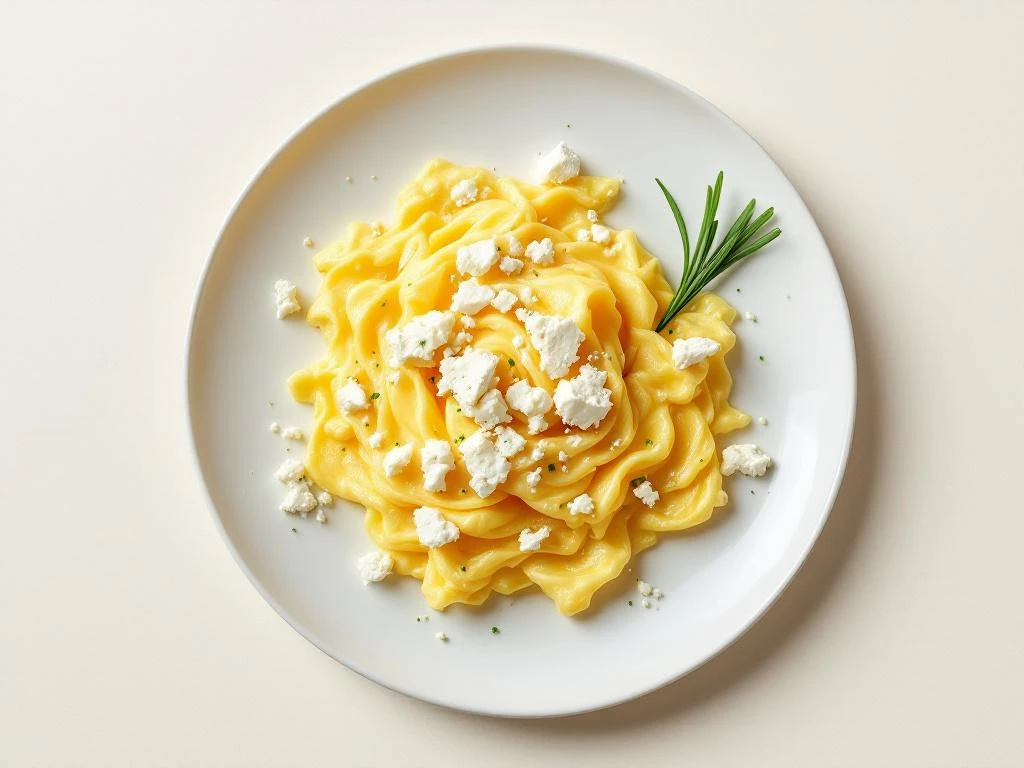
Managing IBS symptoms shouldn’t mean sacrificing a delicious breakfast. Scrambled eggs with lactose-free feta offers a satisfying, protein-rich meal that fits perfectly within a low FODMAP diet. This guide walks you through creating creamy, restaurant-quality scrambled eggs that won’t trigger digestive discomfort.
This recipe is beginner-friendly and takes about 10 minutes from start to finish. You’ll need basic kitchen equipment, fresh eggs, and lactose-free feta cheese. The cooking technique is simple but requires attention to timing and temperature for the best texture.
By following these steps, you’ll master a versatile FODMAP-friendly breakfast that you can customise with herbs, spices, and low FODMAP sides. The combination of eggs and lactose-free cheese provides essential protein without the digestive issues that regular dairy can cause for IBS sufferers.
Why scrambled eggs with lactose-free feta work for IBS
Eggs are naturally low FODMAP and provide high-quality protein that’s easy to digest. They contain no lactose, gluten, or fermentable carbohydrates that typically trigger IBS symptoms. A single egg offers about 6 grams of protein along with essential vitamins and minerals.
Lactose-free feta brings the tangy, salty flavour of traditional feta without the digestive problems. Regular feta contains lactose that many IBS sufferers can’t tolerate. The lactose-free version uses the same fermentation process but removes the problematic sugar, making it safe for sensitive stomachs.
This combination creates a satisfying breakfast that keeps you full for hours. The protein content helps stabilise blood sugar levels and provides steady energy throughout the morning. Unlike high-FODMAP breakfast options like regular yoghurt or wheat toast, this meal won’t cause bloating, gas, or abdominal pain.
The gentle cooking method used for scrambled eggs makes them even easier to digest. Soft, creamy eggs are less taxing on your digestive system than hard-fried or overcooked eggs. This makes scrambled eggs with feta an ideal choice for managing IBS whilst enjoying delicious food.
What you need for perfect lactose-free feta scrambled eggs
Gather these ingredients before you start cooking. Having everything ready makes the process smooth and prevents overcooking your eggs.
Ingredients:
- 3 large eggs (fresh eggs produce the best texture)
- 40g lactose-free feta cheese (check the label to confirm it’s lactose-free)
- 1 tablespoon butter or olive oil (suitable low FODMAP fats)
- Salt and black pepper to taste
- Fresh chives or parsley (optional, for garnish)
Essential kitchen tools:
- Non-stick frying pan (20-25cm diameter works best)
- Whisk or fork for beating eggs
- Silicone spatula for gentle stirring
- Small bowl for whisking eggs
- Measuring spoons
Make sure your lactose-free feta is genuinely lactose-free and not just “low lactose.” Some cheeses labelled as low lactose still contain enough to trigger symptoms. Brands specifically marked as lactose-free have been treated with lactase enzyme to break down the problematic sugar.
Prepare your ingredients for scrambled eggs
Crack the eggs into your small bowl. Check each egg for shell fragments before adding the next one. Tap the egg firmly on a flat surface rather than the bowl edge to reduce shell pieces.
Whisk the eggs thoroughly until the yolks and whites are completely combined. You should see a uniform yellow colour with no streaks of white. This takes about 30 seconds of vigorous whisking. Well-beaten eggs create a smoother, creamier texture in the finished dish.
Crumble the lactose-free feta into small pieces, roughly the size of peas. Too-large chunks won’t distribute evenly through the eggs. Too-small crumbles will melt completely and lose the pleasant texture contrast. Use your fingers to break the cheese into consistent pieces.
Measure out your butter or oil and have it ready next to the hob. Place your spatula within easy reach. Once cooking starts, you’ll need to work quickly. Having everything organised prevents the eggs from overcooking whilst you search for tools.
If using fresh herbs, chop them finely now. Wash and dry the herbs thoroughly, then use a sharp knife to mince them. Set them aside for garnishing the finished eggs.
Cook creamy scrambled eggs with lactose-free feta
Place your non-stick pan over medium-low heat. This is crucial for creamy scrambled eggs. High heat creates rubbery, overcooked eggs that lose their soft texture. Let the pan warm for about 1 minute before adding fat.
Add the butter or olive oil to the warmed pan. Swirl it around to coat the entire bottom surface. The butter should melt gently and foam slightly without browning. If it sizzles aggressively or turns brown, your heat is too high.
Pour the whisked eggs into the pan. Wait about 10 seconds without touching them. This allows a thin layer to begin setting on the bottom. Then use your spatula to gently push the eggs from the edge towards the centre, tilting the pan so uncooked egg flows to the empty spaces.
Continue this gentle pushing motion every 15-20 seconds. The eggs should form soft curds that look wet and glossy. When the eggs are about 70% cooked but still quite runny, add the crumbled lactose-free feta. Stir it through gently to distribute the cheese evenly.
Remove the pan from heat when the eggs still look slightly undercooked. They’ll continue cooking from residual heat for another 30 seconds. The finished eggs should be soft, creamy, and just set. They should hold together but still have a slight wobble.
The entire cooking process takes 3-4 minutes. Rushing with high heat or cooking too long will give you dry, rubbery eggs instead of the creamy texture you want.
Avoid common scrambled egg mistakes
Rubbery texture happens when you use too much heat or cook the eggs too long. If your eggs look dry or pull away from the pan in chunks, reduce your heat next time. Cook more slowly and remove the pan from heat earlier. Remember that eggs continue cooking after you turn off the hob.
Watery eggs come from insufficient whisking or adding liquid ingredients. Make sure you beat the eggs thoroughly before cooking. Don’t add milk or cream, which can make the texture watery and add unnecessary FODMAPs. Well-whisked eggs and gentle cooking create natural creaminess without added liquids.
Feta clumping occurs when you add the cheese too early or use pieces that are too large. Add the feta only when the eggs are mostly cooked. Break it into small, uniform pieces before cooking starts. This ensures even distribution and prevents large, salty pockets of cheese.
Pan sticking problems suggest your pan isn’t truly non-stick or you didn’t use enough fat. Even non-stick pans need a thin layer of butter or oil. If eggs stick despite proper greasing, your pan coating might be worn out. Consider replacing it for better results.
Timing errors are the most common issue. Scrambled eggs cook quickly and go from perfect to overcooked in seconds. Stay at the hob and watch constantly. Don’t multitask during the 3-4 minute cooking time. Set out your serving plate beforehand so you can transfer the eggs immediately when they’re done.
Serve and customize your FODMAP-friendly breakfast
Transfer the scrambled eggs to a warmed plate immediately. A cold plate will cool the eggs too quickly and affect the texture. If using fresh herbs, sprinkle them over the top now for a pop of colour and fresh flavour.
Pair your scrambled eggs with lactose-free feta with gluten-free toast for a complete breakfast. Look for certified gluten-free bread made with low FODMAP grains like rice or millet. Spread with a thin layer of butter or a drizzle of olive oil.
Add a handful of fresh spinach leaves on the side. Spinach is low FODMAP in servings up to 75g and provides iron and vitamins. You can also sauté the spinach briefly in olive oil with a pinch of salt for a warm side dish.
Try these flavour variations to keep your breakfasts interesting. Add a pinch of smoked paprika to the eggs whilst cooking for a subtle smoky taste. Fresh chives, parsley, or basil work beautifully with the feta. A grinding of black pepper adds pleasant heat without FODMAPs.
One serving of this recipe provides approximately 20 grams of protein, making it substantial enough to keep you satisfied until lunch. The portion size works well for one person as a main breakfast dish or can serve two as part of a larger spread.
Storage isn’t ideal for scrambled eggs, as they lose their creamy texture when reheated. If you must prepare ahead, slightly undercook the eggs and store them in an airtight container in the fridge for up to 24 hours. Reheat gently in a pan over low heat, stirring constantly. Microwave reheating often creates rubbery eggs.
This quick FODMAP breakfast becomes a reliable option when you master the simple technique. The combination of protein-rich eggs and tangy lactose-free cheese provides satisfying flavour without digestive discomfort. You can prepare it fresh each morning in less time than it takes to make coffee.
Scrambled eggs with lactose-free feta
Cooking Time: 10 minutes | Portions: 1 serving
Ingredients:
- 3 large eggs
- 40g lactose-free feta cheese, crumbled
- 1 tablespoon butter or olive oil
- Salt and black pepper to taste
- Fresh herbs for garnish (optional)
Instructions:
- Crack eggs into a bowl and whisk thoroughly until completely combined (about 30 seconds)
- Crumble lactose-free feta into pea-sized pieces
- Heat non-stick pan over medium-low heat for 1 minute
- Add butter or oil and swirl to coat the pan
- Pour in whisked eggs and wait 10 seconds
- Gently push eggs from edge to centre every 15-20 seconds
- When eggs are 70% cooked, add crumbled feta and stir gently
- Remove from heat when eggs still look slightly undercooked
- Transfer immediately to warmed plate and serve
Tips:
- Use medium-low heat for creamy texture
- Remove pan from heat before eggs look fully cooked
- Don’t add milk or cream
- Serve immediately for best texture
This recipe is for informational purposes only and is not medical or dietary advice. Please consult a healthcare professional before making any changes to your diet.
Related Articles
- What is the 14 day gut reset?
- Does Gatorade help with IBS?
- What chips or crackers are low in FODMAP?
- What food calms an IBS flare-up?
- Is IBS worse on an empty stomach?