
If you’ve been struggling with digestive issues, bloating, or general gut discomfort, you may have heard about the concept of a gut reset. This approach has gained popularity as a way to give your digestive system a break and potentially reduce uncomfortable symptoms. A 14-day gut reset is particularly appealing because it offers a structured timeframe that feels manageable while potentially providing meaningful benefits for your digestive health.
For those following a low-FODMAP diet or dealing with IBS, understanding how a gut reset works and whether it aligns with your dietary needs is crucial. Let’s explore what this approach involves and how it might fit into your journey toward better digestive wellness.
What is a 14-day gut reset, and how does it work?
A 14-day gut reset is a structured eating plan designed to reduce inflammation in the digestive tract and give your gut microbiome a chance to rebalance. During this period, you eliminate potentially irritating foods while focusing on easily digestible, anti-inflammatory options that support gut healing.
The reset works by removing common dietary triggers that can cause digestive distress, including processed foods, refined sugars, and foods high in certain compounds that may irritate the gut lining. This temporary elimination allows your digestive system to calm down and begin repairing itself. The 14-day timeframe is long enough to notice changes in how you feel but short enough to maintain motivation and adherence.
During the reset, many people focus on whole foods like lean proteins, cooked vegetables, bone broth, and fermented foods that support the growth of beneficial bacteria. The approach emphasizes gentle nutrition that doesn’t overstimulate the digestive system while providing essential nutrients for healing and energy.
What foods should you avoid during a gut reset?
During a 14-day gut reset, you should eliminate processed foods, refined sugars, alcohol, caffeine, gluten-containing grains, and dairy products. Additionally, many people avoid high-FODMAP foods, spicy foods, and artificial additives that can trigger digestive symptoms.
Processed and packaged foods often contain preservatives, artificial colors, and stabilizers that can disrupt your gut microbiome. These additives may contribute to inflammation and interfere with the natural healing process your gut needs during the reset period.
For those familiar with the low-FODMAP diet, this elimination period might overlap significantly with FODMAP restrictions. High-FODMAP foods like onions, garlic, certain fruits, and legumes are often avoided during gut resets because they can ferment in the digestive tract and cause bloating, gas, and discomfort in sensitive individuals.
Common inflammatory foods to avoid include fried foods, excessive amounts of raw vegetables (which can be harder to digest), nuts and seeds (for some people), and any foods you know trigger your personal symptoms. The key is to create a calm environment for your digestive system to reset and heal.
What can you eat during a 14-day gut reset?
During a gut reset, focus on easily digestible whole foods, including cooked vegetables, lean proteins like chicken and fish, bone broth, rice, quinoa, and gentle fruits like bananas. Fermented foods such as kefir or sauerkraut can also support the growth of beneficial bacteria.
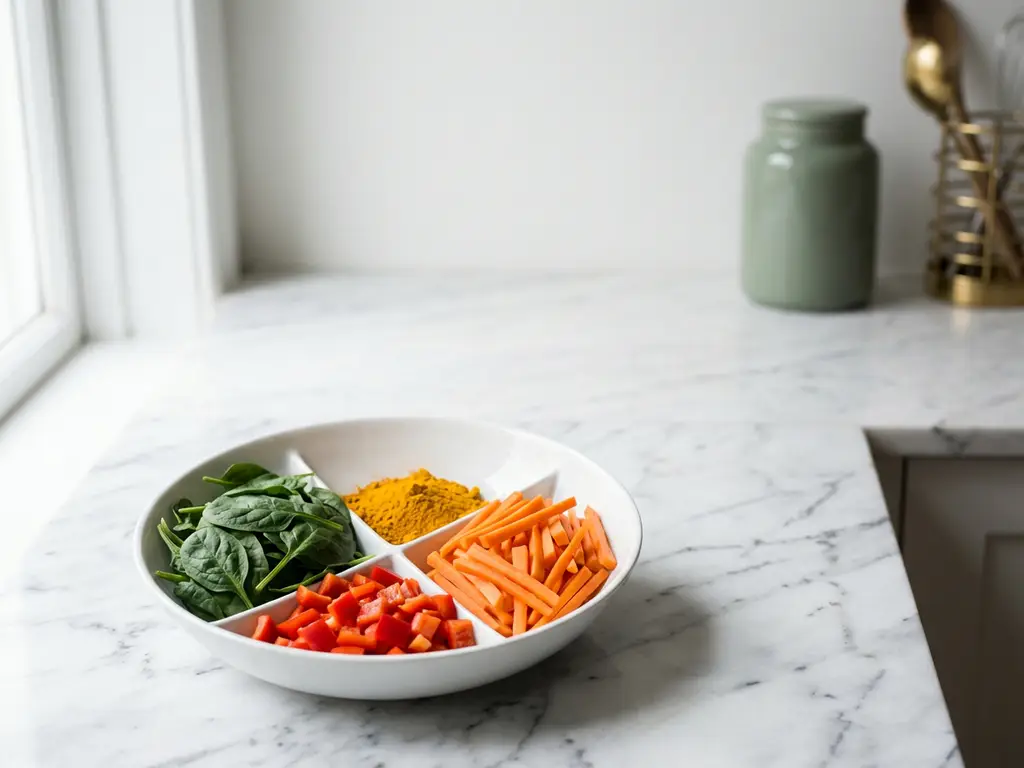
Cooked vegetables are generally easier to digest than raw ones during this period. Consider options like carrots, zucchini, spinach, and sweet potatoes, which provide essential nutrients without being too harsh on your digestive system. These vegetables become even more gut-friendly when they’re steamed, roasted, or incorporated into soups.
Protein sources should be lean and easy to digest. Fish, chicken, turkey, and eggs are excellent choices. If you tolerate them well, small amounts of low-FODMAP foods can be included, making this approach compatible with existing dietary restrictions.
Bone broth deserves special mention, as it contains collagen and amino acids that may support gut-lining repair. Herbal teas like ginger, chamomile, or peppermint can also be soothing and hydrating during your reset period.
How do you know if a gut reset is working?
Signs that your gut reset is working include reduced bloating, more regular bowel movements, decreased stomach pain, improved energy levels, and better sleep quality. Most people begin noticing positive changes within the first week of following the protocol.
Digestive improvements are often the first and most noticeable changes. You might find that the uncomfortable fullness or bloating you typically experience after meals begins to diminish. Your bowel movements may become more predictable and comfortable, which is a positive sign that your digestive system is functioning more efficiently.
Beyond digestive symptoms, many people report improvements in energy levels and mental clarity. This happens because your body isn’t working as hard to process difficult-to-digest foods, freeing up energy for other functions. Some individuals also notice improvements in skin clarity and sleep quality.
It’s important to track your symptoms throughout the 14 days to identify patterns and improvements. Keep a simple food and symptom diary to help you recognize which changes are most significant for your individual situation.
What should you do after completing a 14-day gut reset?
After completing your gut reset, gradually reintroduce foods one at a time over several days to identify which ones trigger symptoms. Start with the least likely irritants and monitor your body’s response before adding the next food group back into your diet.
The reintroduction phase is crucial for long-term success. Rather than immediately returning to your previous eating patterns, systematically add foods back every 2–3 days. This methodical approach helps you identify specific triggers that may have been causing your digestive issues.
Begin with foods that are generally well tolerated, such as small amounts of dairy or gluten-free grains. Save potentially more problematic foods like high-FODMAP items, spicy foods, or heavily processed options for later in the reintroduction process.
Consider maintaining some of the beneficial habits you developed during the reset, such as eating more cooked vegetables, including bone broth in your routine, or continuing with helpful fermented foods. The goal is to create a sustainable, long-term eating pattern that supports your digestive health while allowing you to enjoy a varied diet.
Is a 14-day gut reset safe for people with IBS?
A 14-day gut reset can be safe for people with IBS, but it should be approached carefully and ideally under medical guidance. The elimination approach may align well with IBS management strategies, particularly if it incorporates low-FODMAP principles.
Many of the foods eliminated during a gut reset overlap with common IBS triggers, making this approach potentially beneficial for symptom management. However, people with IBS often have highly individual trigger foods and tolerance levels, so what works during a reset may vary significantly from person to person.
The structured nature of a gut reset can be helpful for people with IBS who feel overwhelmed by trying to identify their trigger foods. It provides a clear framework for elimination and reintroduction, similar to the systematic approach used in the low-FODMAP diet.
However, it’s important to ensure you’re still getting adequate nutrition during the reset period. People with IBS may already have dietary restrictions, and adding more limitations could lead to nutritional gaps if not planned carefully. We recommend consulting a healthcare provider or registered dietitian before starting any elimination protocol, especially if you have existing digestive conditions.
This article is for informational purposes only and is not medical or dietary advice. Please consult a healthcare professional before making any changes to your diet.
Related Articles
- Gluten-Free Blueberry Lemon Pancakes
- Orange and Almond Breakfast Cookies
- Coconut Flour Strawberry Muffins
- What are the top 10 low FODMAP foods?
- Quinoa Breakfast Porridge with Berries