
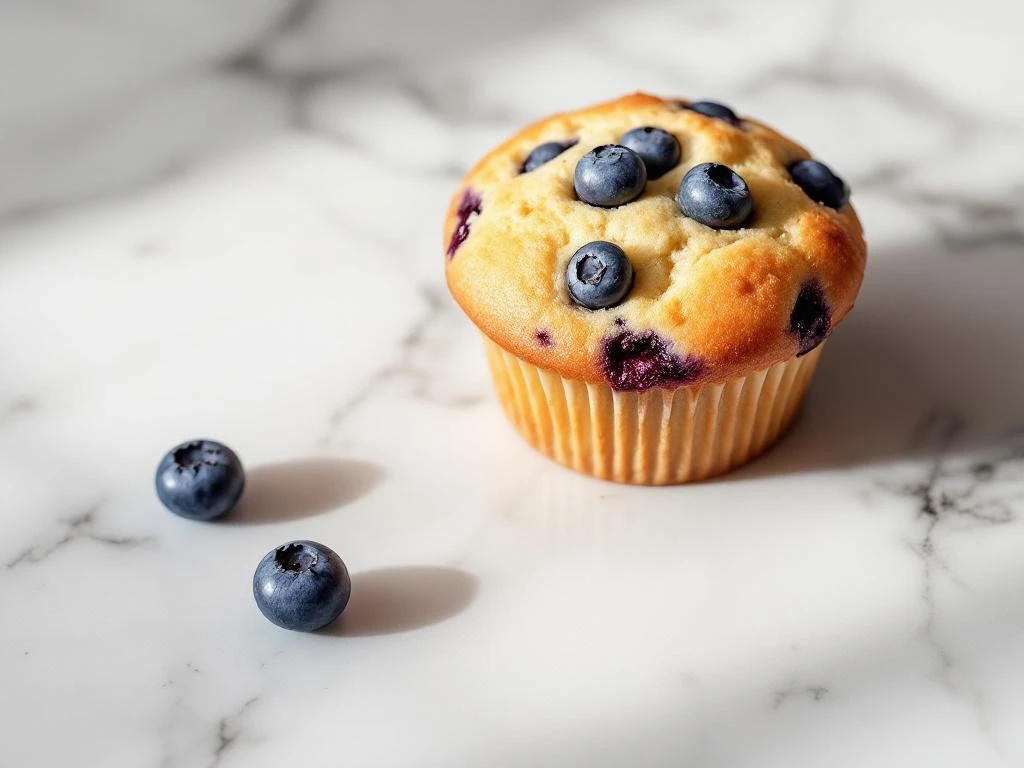
Making gluten-free blueberry muffins that work for IBS doesn’t mean sacrificing taste or texture. These low FODMAP muffins use carefully selected ingredients that are gentle on your digestive system whilst delivering the bakery-quality results you crave. You’ll need about 45 minutes total time, including prep and baking.
This recipe is designed for beginners with basic baking skills. You’ll use simple gluten-free flour alternatives and FODMAP-friendly sweeteners that create moist, fluffy muffins without triggering symptoms. The process is straightforward, and the results taste like traditional muffins.
Before starting, gather your mixing bowls, muffin tin, and basic measuring tools. All ingredients are available at most supermarkets or health food shops. By the end, you’ll have a dozen homemade gluten-free muffins perfect for breakfast or snacks throughout the week.
Why gluten-free blueberry muffins work for IBS
These muffins fit perfectly into a low FODMAP diet because they avoid common trigger ingredients. Traditional muffins contain wheat flour and regular milk, both high in FODMAPs that can cause bloating and discomfort. Our recipe replaces these with gluten-free flour blends and lactose-free alternatives.
The gluten-free flour blend typically combines rice flour, tapioca starch, and potato starch. These ingredients are naturally low in FODMAPs and create a light texture when mixed properly. Blueberries are low FODMAP in moderate servings, providing antioxidants and natural sweetness without digestive upset.
You won’t notice a difference in taste compared to regular muffins. The texture stays moist and tender because we use the right ratio of wet to dry ingredients. Many people with IBS find these muffins easier to digest whilst enjoying the same satisfying flavour as traditional baked goods.
Safe sweeteners like maple syrup or caster sugar keep the recipe FODMAP-friendly. We avoid honey and agave syrup, which can trigger symptoms. The combination of these carefully chosen ingredients means you can enjoy delicious blueberry muffins without worrying about digestive consequences.
Gather your ingredients and tools
Start with 250g gluten-free flour blend that contains xanthan gum. If your blend doesn’t include it, add half a teaspoon separately. You’ll also need 100g caster sugar, 2 teaspoons baking powder, and a quarter teaspoon salt for the dry ingredients.
For wet ingredients, gather 2 large eggs, 120ml lactose-free milk, 80ml light olive oil or melted coconut oil, and 1 teaspoon vanilla extract. You’ll need 150g fresh or frozen blueberries. Frozen berries work well and won’t bleed as much into the batter if you don’t thaw them completely.
Essential tools include two mixing bowls (one large, one medium), a whisk, measuring cups and spoons, a rubber spatula, and a standard 12-cup muffin tin. Paper liners make cleanup easier and prevent sticking. Keep a toothpick handy for testing doneness later.
Ingredient substitutions are possible for common allergens. Replace eggs with flax eggs (1 tablespoon ground flaxseed mixed with 3 tablespoons water per egg, let sit 5 minutes). Swap the oil for unsweetened applesauce in equal amounts for a lower-fat option. Use any plant-based milk that’s low FODMAP, such as almond milk in small quantities.
Prepare your muffin batter step-by-step
Preheat your oven to 190°C (375°F) and line your muffin tin with paper cases. In your large bowl, whisk together the gluten-free flour, sugar, baking powder, and salt. Make sure there are no lumps in the flour blend.
In the medium bowl, whisk the eggs until slightly frothy. Add the lactose-free milk, oil, and vanilla extract. Whisk until everything is well combined and the mixture looks smooth. The wet ingredients should be at room temperature for better mixing.
Pour the wet ingredients into the dry ingredients. Use your rubber spatula to fold them together with gentle strokes. Stop mixing as soon as you no longer see dry flour. The batter should look slightly lumpy, not smooth. Overmixing creates tough, dense muffins because gluten-free flour becomes gummy when overworked.
Reserve a handful of blueberries for topping. Gently fold the remaining berries into the batter with just 3 or 4 strokes. If you stir too much, the berries break and turn your batter purple. Tossing frozen berries in a teaspoon of flour before adding helps prevent them from sinking to the bottom.
Bake your muffins to perfection
Divide the batter evenly among the 12 muffin cups, filling each about three-quarters full. Place the reserved blueberries on top of each muffin for a bakery-style appearance. This also helps you see which muffins are which if you make variations.
Bake for 20 to 25 minutes at 190°C. The muffins are done when the tops turn golden brown and spring back when lightly pressed. A toothpick inserted into the centre should come out clean or with just a few moist crumbs attached. If you see wet batter on the toothpick, bake for another 2 to 3 minutes.
Watch for visual cues during the last 5 minutes of baking. The edges should pull away slightly from the muffin tin, and the tops should develop small cracks. These cracks indicate proper rise and texture. If your oven bakes unevenly, rotate the tin halfway through baking time.
Remove the tin from the oven and let it sit for 5 minutes. Transfer the muffins to a wire cooling rack. Cooling them in the tin too long traps steam and creates soggy bottoms. Let them cool for at least 10 minutes before eating, though they’re delicious warm.
Troubleshoot common muffin problems
Flat muffins usually mean your baking powder is old or you overmixed the batter. Check the expiration date on your baking powder and replace it if needed. Mix the batter just until combined, even if it looks lumpy. Those lumps disappear during baking.
Dense, heavy texture happens when the flour-to-liquid ratio is off. Gluten-free flour blends vary in absorption, so you might need to adjust. If your batter seems thick like cookie dough, add lactose-free milk one tablespoon at a time until it looks like thick pancake batter. Too much flour also causes dryness.
Dry, crumbly muffins need more fat or liquid. Add an extra tablespoon of oil next time, or don’t overbake them. Check your muffins at 18 minutes instead of waiting the full time. Gluten-free baked goods dry out faster than wheat-based ones, so slightly underbaking helps maintain moisture.
Blueberries sinking to the bottom means they were too wet or the batter was too thin. Pat frozen berries dry with paper towels before adding them. Toss them in a small amount of flour to coat them lightly. This helps them suspend in the batter instead of dropping to the bottom. For high-altitude baking, reduce baking powder by a quarter teaspoon and increase oven temperature by 15°C.
Store and enjoy your blueberry muffins
Store cooled muffins in an airtight container at room temperature for up to 3 days. Place a paper towel in the bottom of the container to absorb excess moisture. This prevents the bottoms from getting soggy. Don’t stack muffins directly on top of each other whilst they’re still slightly warm.
For longer storage, freeze muffins individually wrapped in cling film, then place them in a freezer bag. They’ll keep for up to 3 months. Label the bag with the date so you remember when you made them. This method works brilliantly for meal prep and grab-and-go breakfasts.
Thaw frozen muffins overnight in the fridge or at room temperature for 1 to 2 hours. Reheat them in the microwave for 20 to 30 seconds, or warm them in a 160°C oven for 5 to 7 minutes. The oven method restores more of the original texture and makes them taste freshly baked.
Serve these IBS-friendly muffins with lactose-free yoghurt or a spread of peanut butter for extra protein. They make excellent breakfast options or afternoon snacks. The low FODMAP ingredients mean you can enjoy them without digestive worry, whether at home or packed for work.
Making your own homemade gluten-free muffins gives you control over ingredients and ensures they fit your dietary needs. You now have a reliable recipe that delivers consistent results and tastes wonderful. These FODMAP-friendly muffins prove that eating for digestive health doesn’t mean giving up the foods you love.
Gluten-free blueberry muffins
Cooking time: 25 minutes | Portions: 12 muffins
Dry ingredients:
- 250g gluten-free flour blend (with xanthan gum)
- 100g caster sugar
- 2 teaspoons baking powder
- ¼ teaspoon salt
Wet ingredients:
- 2 large eggs
- 120ml lactose-free milk
- 80ml light olive oil or melted coconut oil
- 1 teaspoon vanilla extract
Add-ins:
- 150g fresh or frozen blueberries
Method:
- Preheat oven to 190°C and line a 12-cup muffin tin with paper cases
- Whisk dry ingredients together in a large bowl
- Mix wet ingredients in a separate bowl until combined
- Pour wet into dry ingredients and fold gently until just combined
- Fold in blueberries with minimal stirring
- Divide batter among muffin cups, filling three-quarters full
- Bake 20 to 25 minutes until golden and toothpick comes out clean
- Cool in tin 5 minutes, then transfer to wire rack
This recipe is for informational purposes only and is not medical or dietary advice. Please consult a healthcare professional before making any changes to your diet.
Related Articles
- What pasta is best for IBS?
- Peanut Butter Banana Smoothie
- Scrambled Eggs with Smoked Turkey
- Do bananas make IBS worse?
- Gluten-Free Lemon Blueberry Scones