
Living with IBS can make snacking feel like navigating a minefield. One wrong choice can trigger uncomfortable symptoms that derail your entire day. The good news is that plenty of delicious, satisfying snacks work well for IBS management when you understand which foods to choose and which to avoid.
The key to successful IBS snacking lies in understanding the low FODMAP diet and how different foods affect your digestive system. By choosing snacks that are gentle on your gut while still providing the energy and satisfaction you need, you can enjoy eating without fear of triggering symptoms.
What snacks are safe for people with IBS?
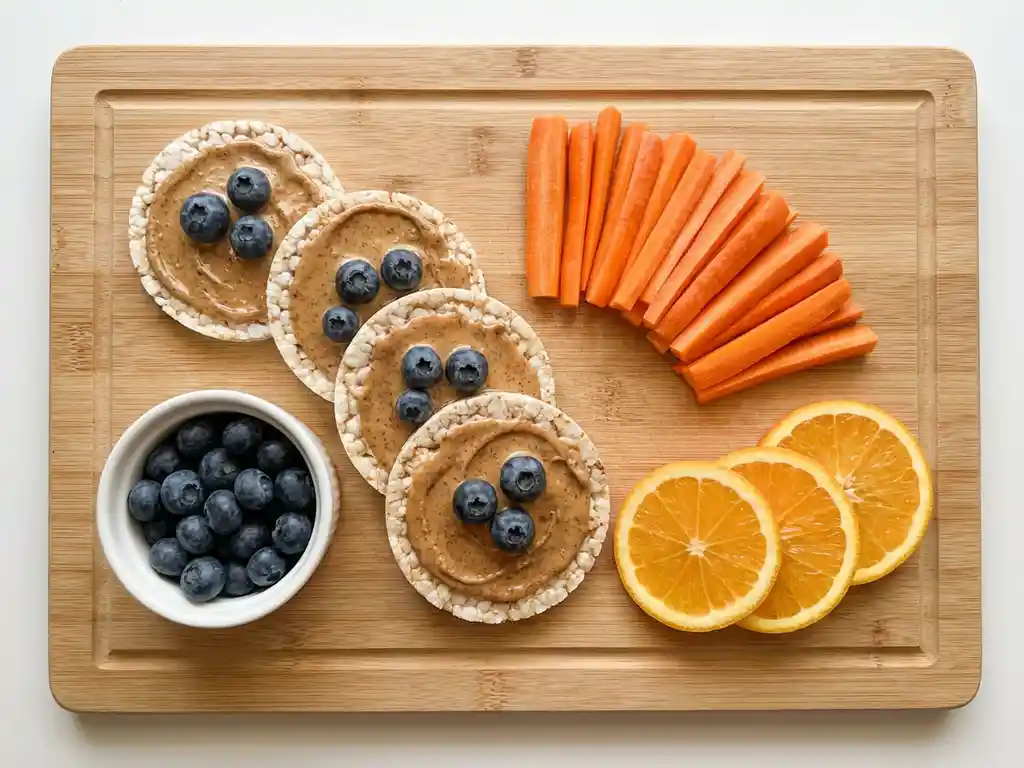
Safe IBS snacks are typically low in FODMAPs, moderate in fiber, and free from common trigger ingredients like artificial sweeteners, high-fat foods, and gas-producing compounds. The safest options include rice cakes with peanut butter, bananas, lactose-free yogurt, and plain popcorn.
When selecting IBS-friendly snacks, focus on foods that are easy to digest and won’t ferment in your gut. Simple carbohydrates like rice-based crackers provide quick energy without causing bloating. Protein-rich options like hard-boiled eggs or small portions of nuts can help stabilize blood sugar while being gentle on your digestive system.
Portion size matters significantly for IBS management. Even low FODMAP foods can become problematic when consumed in large quantities. Stick to recommended serving sizes and eat slowly to give your digestive system time to process the food properly.
How do FODMAP levels affect snack choices for IBS?
FODMAP levels directly determine whether a snack will trigger IBS symptoms. High FODMAP snacks contain fermentable carbohydrates that draw water into the intestines and produce gas, leading to bloating, cramping, and digestive discomfort in sensitive individuals.
The low FODMAP diet categorizes foods into three groups: low, moderate, and high FODMAP foods. Low FODMAP snacks like strawberries, carrots, and rice crackers are generally well tolerated in standard serving sizes. Moderate FODMAP foods may be acceptable in small portions, while high FODMAP snacks like apples, cashews, and wheat-based crackers should be avoided during the elimination phase.
Understanding FODMAP stacking is crucial for snack planning. Even if individual ingredients are low FODMAP, combining multiple low FODMAP foods in one snack can create a moderate or high FODMAP load. This is why portion control and ingredient awareness are essential components of successful IBS management.
What are the best low FODMAP snacks for on-the-go?
The best portable low FODMAP snacks include individual packets of nuts and seeds, rice cakes, bananas, grapes, and homemade energy balls made with oats and peanut butter. These options are shelf-stable, easy to carry, and won’t trigger IBS symptoms when consumed in appropriate portions.
Preparation is key for successful on-the-go snacking with IBS. Pre-portion nuts like almonds or walnuts into small containers to avoid overeating. Pack fresh fruits like oranges or kiwi that travel well and provide natural sweetness without high FODMAP content.
Consider investing in a small cooler pack for perishable low FODMAP snacks like lactose-free cheese sticks or homemade trail mix. Having reliable snack options readily available prevents the temptation to grab potentially triggering convenience foods when hunger strikes.
Which fruits and vegetables make good IBS snacks?
Low FODMAP fruits and vegetables that make excellent IBS snacks include bananas, grapes, oranges, strawberries, carrots, bell peppers, and cucumber. These options provide essential nutrients and fiber without the high FODMAP content that can trigger digestive symptoms.
Bananas are particularly beneficial for people with IBS because they’re rich in potassium and easy to digest. One medium banana contains natural sugars that provide quick energy without causing blood sugar spikes. Grapes offer natural sweetness and hydration, making them perfect for afternoon energy dips.
For vegetable snacks, focus on raw options that are naturally low in FODMAPs. Carrot sticks provide a satisfying crunch and beta-carotene, while cucumber slices offer hydration and freshness. Bell pepper strips add vibrant color and vitamin C to your snacking routine. Always wash fruits and vegetables thoroughly, and consider peeling them when appropriate to reduce potential irritants.
How do you read labels to find IBS-friendly packaged snacks?
To identify IBS-friendly packaged snacks, scan ingredient lists for high FODMAP ingredients like wheat, high-fructose corn syrup, inulin, chicory root, and sugar alcohols ending in “-ol.” Look for products with simple, recognizable ingredients, and avoid items containing artificial sweeteners or excessive fiber additives.
Start by checking the first few ingredients, as these make up the majority of the product. Wheat-based ingredients, onion powder, garlic powder, and various gums can trigger IBS symptoms. Sugar alcohols like sorbitol, mannitol, and xylitol are particularly problematic for people with IBS and should be avoided entirely.
Look for certifications or labels that indicate low FODMAP compliance, though these are still relatively rare on mainstream products. When in doubt, choose products with fewer ingredients and stick to brands that specialize in digestive health or allergen-friendly foods. We also recommend keeping a food diary to track which packaged snacks work well for your individual tolerance levels.
What protein-based snacks work well for IBS management?
Protein-based snacks that work well for IBS include hard-boiled eggs, small portions of nuts and seeds, lactose-free Greek yogurt, and lean deli meats without added garlic or onion. These options provide sustained energy and help stabilize blood sugar without triggering digestive symptoms.
Eggs are an excellent choice because they’re naturally low FODMAP and provide complete protein. Hard-boiled eggs can be prepared in advance and stored in the refrigerator for quick snacking throughout the week. Pair them with a small portion of low FODMAP vegetables for a balanced mini-meal.
Nuts and seeds require portion control but offer healthy fats and protein. Almonds, walnuts, and pumpkin seeds are generally well tolerated in 1-ounce servings. Avoid cashews and pistachios, which are higher in FODMAPs. Lactose-free Greek yogurt provides probiotics that may support digestive health, though individual tolerance varies. Choose plain varieties and add your own low FODMAP fruits for natural sweetness.
This recipe is for informational purposes only and is not medical or dietary advice. Please consult a healthcare professional before making any changes to your diet.
Related Articles
- What are the top 10 low FODMAP foods?
- Orange Raspberry Overnight Oats
- What meat is good for IBS?
- What is the autoimmune diet?
- Lactose-Free Greek Yogurt with Granola