
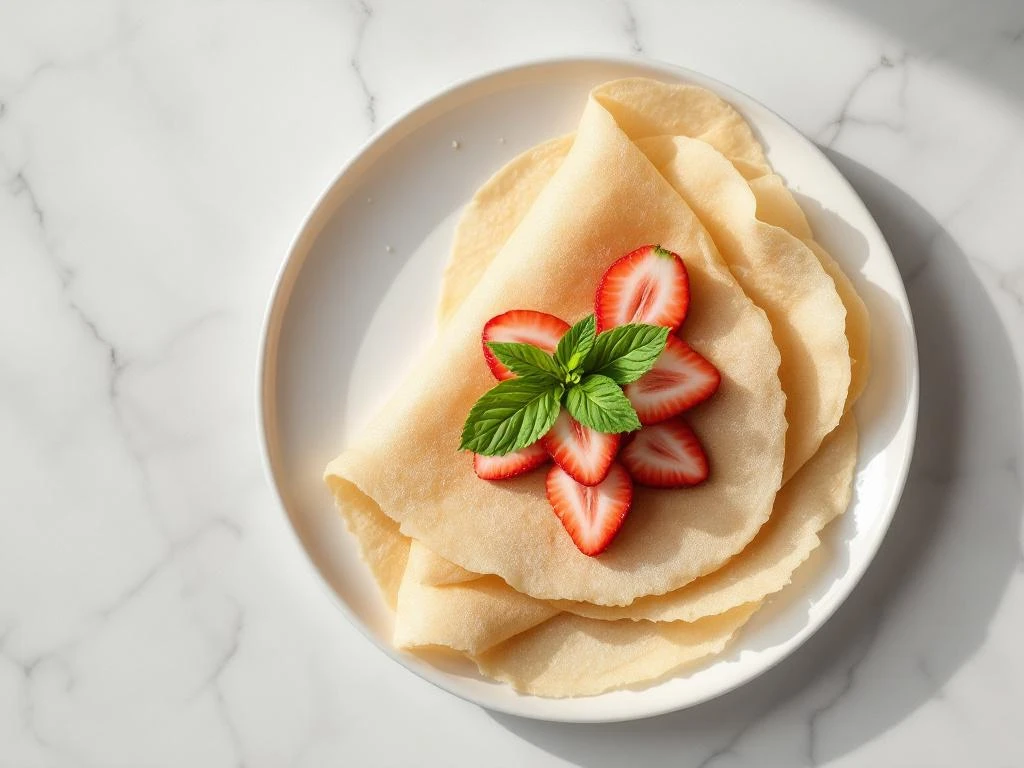
Coconut flour crepes with strawberries make a delicious low FODMAP breakfast that won’t trigger IBS symptoms. These gluten free crepes are naturally lactose free when made with the right milk, and they’re surprisingly easy to master. You’ll create thin, flexible crepes with a subtle coconut flavour that pairs beautifully with fresh strawberries. This recipe takes about 30 minutes from start to finish, and you’ll make approximately 6 to 8 crepes. You’ll need basic kitchen equipment and simple ingredients that are easy to find. Whether you’re new to coconut flour recipes or looking for IBS friendly crepes, this guide walks you through every step.
Why coconut flour makes perfect low FODMAP crepes
Coconut flour stands out as an excellent choice for low FODMAP breakfast recipes. Unlike wheat flour, it contains no gluten or FODMAPs that might upset your digestive system. The Monash University FODMAP app confirms that coconut flour is safe in typical serving sizes, making it ideal for anyone managing IBS symptoms.
This flour creates surprisingly light and flexible crepes despite its dense nature. Coconut flour absorbs liquid differently than regular flour, which means you’ll use much less of it. A small amount goes a long way, and this actually works in your favour for texture. The result is thin, delicate crepes that fold beautifully without breaking.
The nutritional benefits add another advantage. Coconut flour provides healthy fats and fibre that support digestive health. It’s naturally gluten free and works perfectly with lactose free milk, making these crepes suitable for multiple dietary restrictions. The subtle coconut taste complements sweet toppings like strawberries without overwhelming them.
Gather your ingredients and tools
For the coconut flour crepes, you’ll need these measured ingredients:
- 40g coconut flour (about 6 tablespoons)
- 4 large eggs
- 240ml lactose free milk
- 2 tablespoons melted coconut oil or butter (plus extra for cooking)
- 1 tablespoon maple syrup or sugar
- Pinch of salt
For the strawberry topping:
- 250g fresh strawberries, hulled and sliced
- 1 tablespoon maple syrup (optional)
- Lactose free yoghurt or cream for serving (optional)
Essential kitchen tools include a medium mixing bowl, whisk or fork, measuring cups and spoons, and a non-stick frying pan (20 to 25cm diameter works best). You’ll also want a ladle or small measuring cup for portioning batter, a thin spatula for flipping, and a plate for stacking finished crepes. Keep a pastry brush or paper towel handy for greasing the pan between crepes.
Prepare the coconut flour crepe batter
Crack the eggs into your mixing bowl and whisk them thoroughly until the yolks and whites combine completely. This creates the base that holds your crepes together. Add the lactose free milk, melted coconut oil, maple syrup, and salt. Whisk everything together until smooth and well blended.
Sprinkle the coconut flour over the liquid mixture gradually. Whisk continuously as you add it to prevent lumps from forming. Coconut flour clumps easily, so take your time with this step. The batter should look thinner than regular pancake batter, more like the consistency of single cream. If you notice any stubborn lumps, press them against the side of the bowl with your whisk.
Let the batter rest for 5 minutes. This resting time is important because coconut flour continues absorbing liquid as it sits. After resting, check the consistency. The batter should pour easily but still coat the back of a spoon. If it’s too thick, add lactose free milk one tablespoon at a time. If it’s too thin (which is rare with coconut flour), add half a tablespoon more coconut flour and whisk well.
Give the batter a quick stir before making each crepe. Coconut flour can settle at the bottom of the bowl, and stirring ensures even distribution throughout your cooking process.
Cook your crepes to golden perfection
Place your non-stick pan over medium heat. Let it warm for about 2 minutes. The pan temperature matters more than you might think. Too hot and your crepes will brown too quickly before cooking through. Too cool and they’ll stick and tear. Test the temperature by flicking a tiny drop of water onto the surface. It should sizzle gently and evaporate within a few seconds.
Lightly grease the pan with coconut oil or butter. Use a pastry brush or fold a paper towel to spread a thin, even layer across the cooking surface. You want just enough to prevent sticking without creating a greasy puddle.
Pour about 60ml (roughly 4 tablespoons) of batter into the centre of the pan. Immediately lift the pan off the heat and tilt it in a circular motion. This spreads the batter into a thin, even circle. Work quickly because the batter starts setting as soon as it hits the hot surface. Don’t worry if your edges aren’t perfectly round at first.
Return the pan to the heat and cook for about 90 seconds. Watch for the edges to look dry and start pulling away slightly from the pan. Small bubbles might appear on the surface. These are your signals that the crepe is ready to flip.
Slide your thin spatula under one edge of the crepe. Lift gently to check that the bottom is golden brown with light spots. If it looks pale, give it another 15 to 20 seconds. When ready, quickly flip the crepe over in one smooth motion. Cook the second side for about 45 to 60 seconds. This side cooks faster and won’t brown as evenly, which is normal.
Transfer the finished crepe to your plate. Re-grease the pan lightly before making each new crepe. The pan gets hotter as you work, so you might need to reduce the heat slightly after your third or fourth crepe. Stack the finished crepes on top of each other. They’ll stay warm and become slightly more pliable as they steam together.
Troubleshoot common coconut flour crepe issues
Batter too thick means your crepes will be dense and cake-like rather than thin and delicate. Add lactose free milk one tablespoon at a time, whisking well after each addition. Remember that coconut flour continues absorbing liquid, so batter that looks perfect initially might thicken as it sits. Keep extra milk nearby for adjustments.
Crepes breaking when you flip them usually signals one of three problems. The batter might be too thin (add a bit more coconut flour), you’re flipping too early (wait for those dry edges), or your spatula isn’t thin enough to slide under smoothly. Make sure you’re using a proper thin spatula designed for crepes or eggs.
Uneven cooking happens when your pan temperature fluctuates or the batter spreads unevenly. Maintain consistent medium heat throughout the cooking process. When you pour the batter, tilt the pan immediately and decisively. Hesitation creates thick spots that cook unevenly. If one area of your pan consistently cooks faster, rotate the pan occasionally on the burner.
Crepes sticking to the pan frustrate everyone, but the fix is simple. Add more oil or butter between each crepe. Non-stick pans lose their effectiveness over time, so an older pan needs more greasing. Make sure the pan is properly heated before adding batter. A pan that’s not hot enough will cause sticking every time.
Dry or rubbery texture means you’re either using too much coconut flour or overcooking the crepes. Coconut flour crepes should feel tender and slightly moist, not dry like paper. Reduce cooking time by 15 to 20 seconds on each side. Check that you’re measuring the coconut flour correctly. It should be spooned into the measuring cup and levelled off, not packed down. Adding an extra egg can also help create more moisture and flexibility.
Serve your coconut flour crepes warm, topped with sliced strawberries and a drizzle of maple syrup. A dollop of lactose free yoghurt adds creamy richness. These gluten free crepes work beautifully for breakfast or as a light dessert. You can make the batter the night before and store it covered in the fridge. Just give it a good stir and check the consistency before cooking. Leftover crepes keep in the fridge for up to 3 days. Reheat them gently in a pan or microwave. Now you have a reliable low FODMAP breakfast recipe that’s both delicious and gentle on your digestive system.
Coconut flour crepes with strawberries
Cooking time: 30 minutes | Portions: 6 to 8 crepes
Ingredients:
- 40g coconut flour
- 4 large eggs
- 240ml lactose free milk
- 2 tablespoons melted coconut oil or butter
- 1 tablespoon maple syrup
- Pinch of salt
- 250g fresh strawberries, sliced
- Extra coconut oil for cooking
Steps:
- Whisk eggs in a bowl until combined
- Add lactose free milk, melted oil, maple syrup, and salt, then whisk smooth
- Gradually add coconut flour while whisking to prevent lumps
- Let batter rest for 5 minutes, then check consistency (should be like single cream)
- Heat non-stick pan over medium heat for 2 minutes
- Lightly grease pan with coconut oil
- Pour 60ml batter into centre and tilt pan to spread thin
- Cook for 90 seconds until edges look dry
- Flip and cook second side for 45 to 60 seconds
- Stack finished crepes and repeat with remaining batter
- Serve warm with sliced strawberries and optional maple syrup or lactose free yoghurt
This recipe is for informational purposes only and is not medical or dietary advice. Please consult a healthcare professional before making any changes to your diet.
Related Articles
- What drinks should you avoid on a FODMAP diet?
- What is the easiest protein to digest?
- Do bananas make IBS worse?
- Lactose-Free Vanilla Chia Pudding
- Can I eat dairy on a low FODMAP diet?