
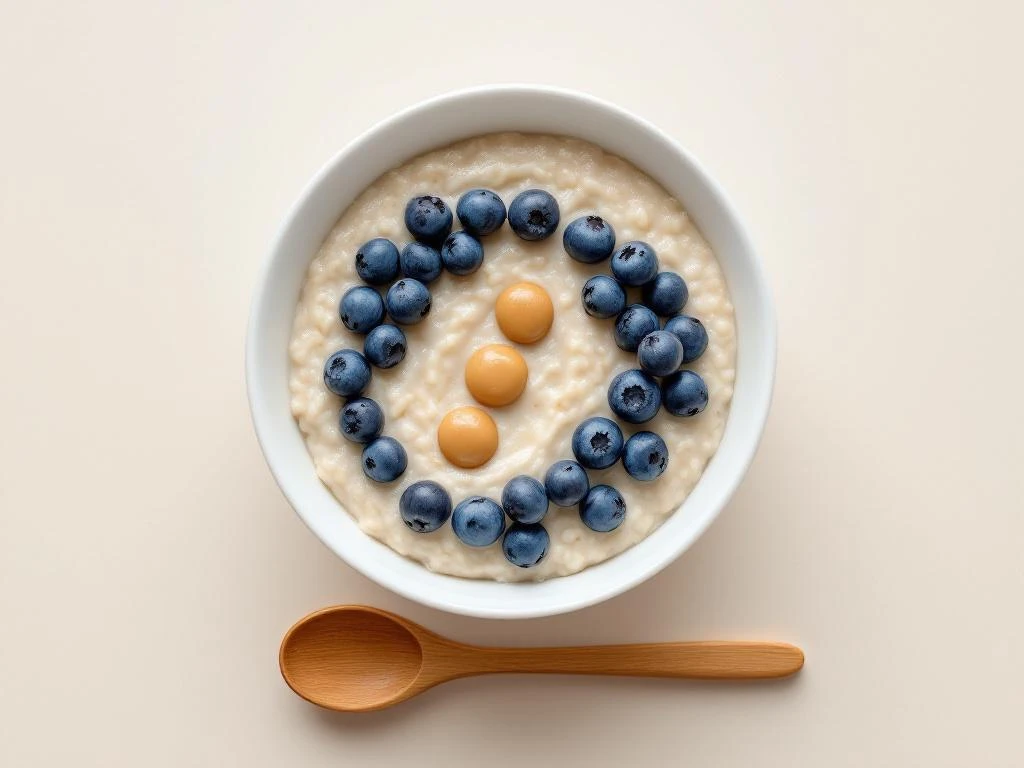
Starting your day with a warm bowl of blueberry peanut butter oatmeal can transform your morning routine when you’re managing IBS. This recipe combines three gut-friendly ingredients into a breakfast that’s filling, nutritious, and safe for sensitive digestive systems. You’ll need about 10 minutes to prepare this FODMAP-friendly breakfast, and the simple cooking method works whether you prefer stovetop or microwave preparation. Gather your oats, fresh blueberries, and peanut butter, and you’ll have a delicious low FODMAP oatmeal that provides steady energy without triggering symptoms.
Why blueberry peanut butter oatmeal works for IBS
This blueberry oatmeal recipe brings together ingredients that support digestive health while staying within low FODMAP limits. Oats contain soluble fibre that helps regulate digestion without overwhelming your system. The beta-glucan in oats forms a gel-like substance that soothes your digestive tract and promotes regular bowel movements.
Blueberries add natural sweetness and antioxidants in a portion size that’s safe for IBS. A serving of 20 blueberries (about 28 grams) stays within low FODMAP guidelines while providing vitamin C and fibre. These berries won’t ferment in your gut the way high FODMAP fruits do, making them an excellent choice for this healthy breakfast oatmeal.
Peanut butter contributes protein and healthy fats that slow digestion and keep you satisfied until lunch. The combination of protein, fibre, and complex carbohydrates creates sustained energy without the blood sugar spikes that can affect your digestive system. This FODMAP friendly breakfast provides around 350-400 calories with a good balance of macronutrients that support both energy levels and gut comfort.
The creamy texture from peanut butter also makes this gluten free oatmeal more satisfying. Fat helps you absorb the fat-soluble vitamins in blueberries while adding richness that makes this quick oatmeal recipe feel indulgent rather than restrictive.
Gather your low FODMAP oatmeal ingredients
You’ll need these specific ingredients to keep your blueberry peanut butter oatmeal within FODMAP limits:
- 40 grams rolled oats or quick oats (certified gluten-free if needed)
- 200ml lactose-free milk or suitable plant milk (almond milk in small amounts, rice milk, or oat milk)
- 20 fresh or frozen blueberries (approximately 28 grams)
- 1 tablespoon natural peanut butter (check the label for no added high FODMAP ingredients)
- Optional: maple syrup (1 tablespoon maximum for sweetness)
- Pinch of salt
Choose oats labelled as pure or certified gluten-free if you’re sensitive to gluten contamination. Regular oats are naturally gluten-free but often processed in facilities that handle wheat. Quick oats and rolled oats both work well for this IBS friendly oatmeal, though quick oats create a softer texture.
When selecting peanut butter, read the ingredient list carefully. Look for products with just peanuts and salt. Avoid varieties with honey, added sugars, or oils that might contain high FODMAP ingredients. Natural peanut butter that separates is perfect for this peanut butter oatmeal recipe.
For the liquid component, lactose-free milk provides creaminess without triggering symptoms. If you prefer plant-based options, use rice milk or small amounts of almond milk (up to 60ml). Coconut milk from a carton works too, but avoid the canned version as it’s too rich for this application.
Fresh blueberries offer the best texture, but frozen blueberries work when fresh aren’t available. Frozen berries will add extra moisture to your oatmeal, so you might need slightly less liquid. Count out 20 berries to stay within the safe FODMAP serving size.
Optional toppings that stay FODMAP friendly
Add variety while keeping your blueberry breakfast safe with these options:
- Sliced banana (firm, unripe banana only, maximum half a medium banana)
- Chia seeds (1 tablespoon)
- Pumpkin seeds (2 tablespoons)
- Cinnamon or vanilla extract for flavour
- Extra peanut butter (up to 2 tablespoons total)
Prepare blueberry peanut butter oatmeal step-by-step
This quick oatmeal recipe comes together in minutes using either your stovetop or microwave.
Stovetop method
Pour 200ml of your chosen milk into a small saucepan. Add 40 grams of oats and a pinch of salt. Place the pan over medium heat and stir occasionally to prevent sticking. The mixture will start to bubble after about 2 minutes.
Once bubbling, reduce the heat to low. Continue cooking for 3-4 minutes for rolled oats or 1-2 minutes for quick oats. Stir every 30 seconds to create a creamy consistency. The oats are ready when they’ve absorbed most of the liquid and reached your preferred thickness.
Add your blueberries during the last minute of cooking. This warms them slightly while preserving their texture. If you prefer softer berries, add them earlier. Frozen blueberries need an extra minute to heat through.
Remove the pan from heat and stir in 1 tablespoon of peanut butter. Mix thoroughly until the peanut butter melts into the oatmeal, creating a creamy, rich texture throughout. Transfer to your bowl and add any optional toppings.
Microwave method
Combine 40 grams of oats, 200ml milk, and a pinch of salt in a large microwave-safe bowl. Use a bowl with high sides because the mixture will bubble up during cooking. Microwave on high for 1 minute.
Remove and stir the mixture. Microwave for another 1-2 minutes, watching carefully to prevent overflow. The total cooking time depends on your microwave’s power, but most oatmeal cooks in 2-3 minutes total.
Add your 20 blueberries to the hot oatmeal and stir gently. Let the mixture sit for 30 seconds so the berries warm slightly. Stir in the peanut butter until it melts completely and creates that signature creamy texture.
Getting the consistency right
Your low FODMAP oatmeal should be thick but not dry. If it’s too thick, add 1-2 tablespoons of extra milk and stir. The oatmeal will continue to thicken as it cools, so aim for slightly looser than your target consistency.
If your oatmeal turns out too thin, microwave for another 30 seconds or return to the stovetop for 1 minute. The extra cooking time will evaporate excess liquid. You can also add a teaspoon of chia seeds, which will absorb moisture and thicken the mixture within a minute.
Customise your oatmeal for variety and taste
Keep your blueberry peanut butter oatmeal interesting by rotating these FODMAP-safe variations throughout the week.
Flavour variations
Replace peanut butter with almond butter (1 tablespoon maximum to stay low FODMAP). The nutty flavour pairs beautifully with blueberries and offers a different taste profile. You can also try macadamia nut butter for a richer, buttery flavour.
Add warming spices like cinnamon (1 teaspoon) or a dash of vanilla extract. These enhance the natural sweetness of blueberries without adding FODMAPs. Ginger powder (half a teaspoon) adds a subtle kick that some people find soothing for digestion.
Swap blueberries for other low FODMAP fruits in safe portions. Try 65 grams of strawberries, half a medium banana (firm, not overripe), or 75 grams of raspberries. Each fruit brings different nutrients while maintaining gut-friendly status.
Texture modifications
Create a creamier texture by mashing half the blueberries before adding them. This releases their juices into the oatmeal, creating purple swirls and intensifying the berry flavour. The whole berries you leave intact provide bursts of freshness.
Add crunch with 2 tablespoons of pumpkin seeds or a tablespoon of chopped walnuts (limit to 10 walnut halves). The contrast between creamy oatmeal and crunchy toppings makes this FODMAP friendly breakfast more satisfying.
Make your oatmeal thicker and more filling by stirring in a tablespoon of chia seeds at the start of cooking. They’ll absorb liquid and create a pudding-like consistency. Chia seeds also add omega-3 fatty acids and extra fibre.
Make-ahead strategies
Prepare overnight oats by combining all ingredients except peanut butter in a jar. Refrigerate for at least 4 hours or overnight. In the morning, stir in the peanut butter and eat cold, or warm in the microwave for 1 minute. This method works well for busy mornings.
Batch cook plain oatmeal for the week. Make a large pot using the same oat-to-liquid ratio (1 part oats to 5 parts liquid). Store in the fridge for up to 5 days. Each morning, reheat a portion and add fresh blueberries and peanut butter.
Portion out your dry ingredients into small containers or bags. Measure 40 grams of oats with a pinch of salt for each serving. In the morning, just add liquid and cook. This speeds up preparation while ensuring you stick to safe portion sizes.
Adjusting sweetness levels
The natural sweetness from blueberries might be enough for your taste. If you need more sweetness, add 1 tablespoon of pure maple syrup. This stays within low FODMAP limits and dissolves easily into warm oatmeal.
Try a sprinkle of stevia or a low FODMAP sweetener if you’re watching sugar intake. These won’t affect your digestion and provide sweetness without calories. Start with a small amount and adjust to taste.
Increase the blueberry flavour by adding a drop of blueberry extract (check it’s pure extract without high FODMAP additives). This intensifies the berry taste without adding extra fruit that might exceed FODMAP limits.
You’ve now got a reliable breakfast that supports your digestive health while tasting delicious. This blueberry peanut butter oatmeal proves that following a low FODMAP diet doesn’t mean sacrificing flavour or satisfaction. The combination of protein, healthy fats, and complex carbohydrates will keep you energised all morning.
Experiment with the customisation options to find your favourite version. Some mornings you might want extra peanut butter for richness, while other days you’ll prefer more blueberries for freshness. The basic recipe stays the same, but small tweaks keep your breakfasts interesting.
We share more IBS-friendly recipes and practical tips for managing digestive health through food. Each recipe is designed with your needs in mind, combining nutritional balance with real flavour that makes following a low FODMAP diet easier and more enjoyable.
Blueberry peanut butter oatmeal
Cooking time: 10 minutes | Portions: 1 serving
Ingredients
- 40g rolled oats or quick oats (gluten-free certified)
- 200ml lactose-free milk or suitable plant milk
- 20 fresh or frozen blueberries (28g)
- 1 tablespoon natural peanut butter
- Pinch of salt
- Optional: 1 tablespoon maple syrup
Method
- Combine oats, milk, and salt in a saucepan or microwave-safe bowl
- Cook stovetop over medium heat for 3-5 minutes, stirring occasionally, or microwave on high for 2-3 minutes
- Add blueberries during the last minute of cooking
- Remove from heat and stir in peanut butter until melted and creamy
- Add optional maple syrup or toppings
- Serve immediately while warm
Tips
- Use a large bowl for microwave cooking to prevent overflow
- Adjust consistency by adding more milk if too thick
- Count exactly 20 blueberries to stay within FODMAP limits
- Check peanut butter labels for no high FODMAP additives
This recipe is for informational purposes only and is not medical or dietary advice. Please consult a healthcare professional before making any changes to your diet.
Related Articles
- Is broccoli good for IBS?
- Scrambled Eggs with Roasted Peppers
- What meat is good for IBS?
- What are the worst foods for IBS?
- Egg and Spinach Breakfast Stack