
Gut inflammation can make everyday life uncomfortable, affecting everything from your energy levels to your mood. If you’re dealing with digestive issues like bloating, cramping, or irregular bowel movements, understanding how to calm inflammation in your digestive system is crucial to feeling your best again.
The good news is that reducing gut inflammation often comes down to making thoughtful choices about what you eat and how you live. From following a targeted low-FODMAP diet to making simple lifestyle adjustments, there are proven strategies that can help restore balance to your digestive system and reduce uncomfortable symptoms.
What is gut inflammation and why does it happen?
Gut inflammation occurs when the lining of your digestive tract becomes irritated and swollen, often triggering an immune response that can disrupt normal digestion. This inflammation typically develops when harmful bacteria, certain foods, stress, or other irritants damage the protective barrier of your intestinal wall.
Several factors contribute to gut inflammation, including an imbalanced gut microbiome in which harmful bacteria outnumber beneficial ones. Processed foods high in sugar and unhealthy fats can feed these problematic bacteria, while chronic stress releases hormones that directly affect digestive function. Food sensitivities, particularly to high-FODMAP foods, can also trigger inflammatory responses in sensitive individuals.
Other common causes include the overuse of antibiotics, which can disrupt the natural balance of gut bacteria, and certain medications, such as NSAIDs, that can irritate the intestinal lining. Environmental toxins, lack of sleep, and excessive alcohol consumption can further contribute to this inflammatory cycle.
What are the main symptoms of gut inflammation?
The primary symptoms of gut inflammation include persistent bloating, abdominal pain or cramping, irregular bowel movements, and excessive gas. Many people also experience fatigue, food sensitivities, and a general feeling of digestive discomfort after eating.
Beyond these digestive symptoms, gut inflammation can manifest in unexpected ways throughout your body. You might notice skin issues like eczema or acne, mood changes such as anxiety or depression, and frequent headaches. Some people develop joint pain, brain fog, or find themselves getting sick more often due to compromised immune function.
The severity and combination of symptoms vary greatly between individuals. While some people experience mild discomfort, others face debilitating symptoms that significantly affect their daily activities and quality of life.
Which foods help reduce gut inflammation naturally?
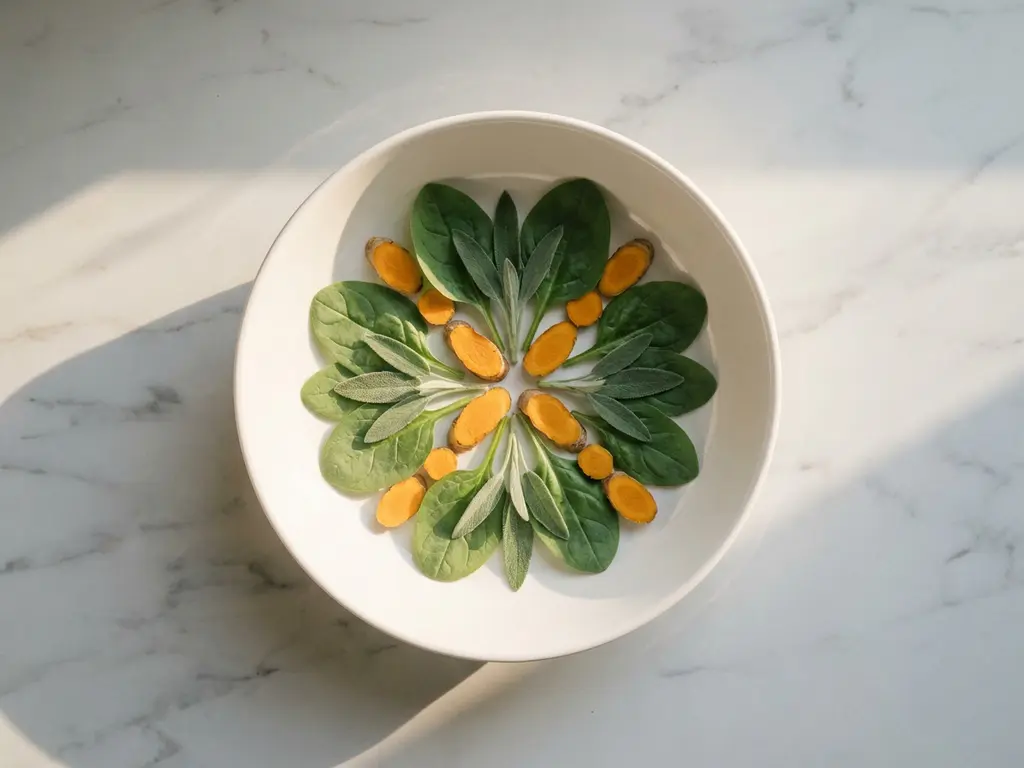
Anti-inflammatory foods that support gut healing include omega-3-rich fish like salmon and sardines, leafy greens such as spinach and kale, and probiotic foods like kefir and sauerkraut. Bone broth, ginger, turmeric, and low-FODMAP fruits like blueberries also provide powerful anti-inflammatory compounds.
Incorporating fermented foods into your diet helps restore beneficial bacteria that fight inflammation. Options include kimchi, miso, and yogurt with live cultures. However, if you’re following a low-FODMAP diet, choose lactose-free versions and monitor portion sizes carefully.
Prebiotic foods that feed good bacteria are equally important. Low-FODMAP options include carrots, zucchini, and small amounts of green beans. Healthy fats from sources like olive oil, avocado, and nuts provide additional anti-inflammatory benefits while supporting nutrient absorption.
What foods should you avoid to reduce gut inflammation?
Foods that commonly trigger gut inflammation include processed foods high in refined sugars, artificial additives, and trans fats, along with excessive amounts of red meat and alcohol. High-FODMAP foods like garlic, onions, wheat, and certain dairy products can also provoke inflammatory responses in sensitive individuals.
Highly processed foods containing preservatives, artificial colors, and emulsifiers can disrupt the gut microbiome and increase intestinal permeability. Fast food, packaged snacks, and sugary beverages are particularly problematic because they feed harmful bacteria while providing little nutritional value.
For many people with digestive sensitivities, gluten-containing grains and high-lactose dairy products can trigger inflammation. Fried foods, excessive caffeine, and spicy foods may also worsen symptoms, though individual tolerance varies significantly.
How does the low-FODMAP diet help with gut inflammation?
The low-FODMAP diet reduces gut inflammation by eliminating fermentable carbohydrates that can trigger digestive symptoms and bacterial overgrowth in sensitive individuals. By temporarily removing these problematic foods, the diet allows the gut lining to heal while reducing the production of inflammatory compounds.
FODMAPs are short-chain carbohydrates that some people cannot properly digest. When these compounds reach the large intestine undigested, they ferment rapidly, producing gas and drawing water into the bowel. This process can trigger inflammation, especially in people with conditions like IBS.
The low-FODMAP diet works in three phases: elimination, reintroduction, and personalization. During the elimination phase, you avoid high-FODMAP foods for 2–6 weeks, giving your gut time to calm down. The reintroduction phase helps identify your specific triggers, while the final phase creates a personalized eating plan that minimizes inflammation while maximizing food variety.
What lifestyle changes reduce gut inflammation effectively?
Effective lifestyle changes for reducing gut inflammation include managing stress through meditation or deep-breathing exercises, prioritizing 7–9 hours of quality sleep each night, and engaging in regular moderate exercise. These practices help regulate hormones and support healthy digestion.
Stress management is particularly crucial because chronic stress directly affects gut health by altering the gut microbiome and increasing intestinal permeability. Simple techniques like taking a 10-minute walk after meals, practicing mindfulness, or keeping a gratitude journal can make a significant difference.
Regular exercise promotes healthy gut bacteria diversity and improves digestion, but avoid intense workouts immediately after eating. Staying hydrated supports the mucosal lining of the intestines, while eating meals at consistent times helps regulate your digestive rhythm.
How long does it take to reduce gut inflammation?
Most people begin experiencing reduced gut inflammation within 2–4 weeks of implementing dietary and lifestyle changes, though complete healing can take 3–6 months or longer, depending on the severity of inflammation and individual factors. Consistency with anti-inflammatory practices is key to seeing lasting results.
The timeline varies significantly based on several factors, including how long you’ve experienced inflammation, your current diet quality, stress levels, and overall health status. People following a structured approach like the low-FODMAP diet often notice improvements in bloating and discomfort within the first two weeks.
Remember that gut healing is rarely linear. You might experience some ups and downs as your digestive system adjusts to new foods and habits. Working with a healthcare provider or a registered dietitian can help you stay on track and make necessary adjustments to optimize your healing timeline.
We understand how challenging it can be to navigate gut inflammation while still enjoying satisfying meals. Our low-FODMAP recipes and resources are designed to support your healing journey without compromising taste or variety, making it easier to stick with anti-inflammatory eating patterns long term.
This article is for informational purposes only and is not medical or dietary advice. Please consult a healthcare professional before making any changes to your diet.
Related Articles
- Which brand of sourdough bread is low FODMAP?
- Can I eat McDonald’s fries on low FODMAP?
- Orange and Almond Breakfast Cookies
- Gluten-Free Raspberry Walnut Bread
- Is cottage cheese low in FODMAP?