
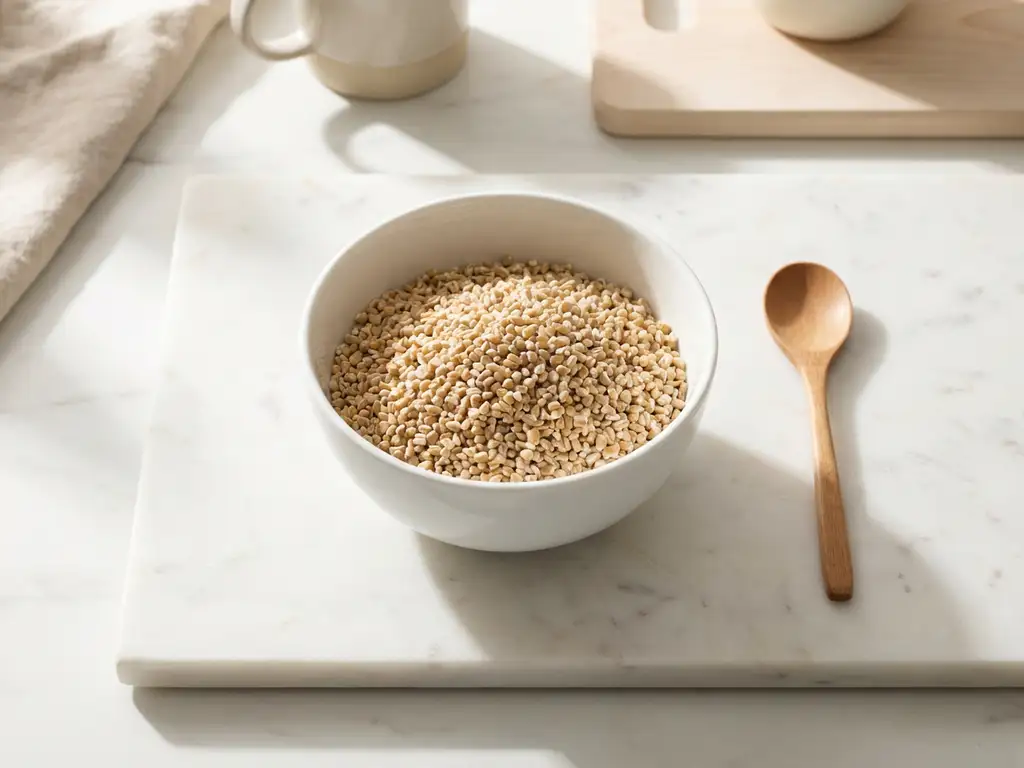
Oatmeal is a breakfast staple for many people, but if you’re following a low-FODMAP diet to manage IBS or digestive sensitivities, you might wonder whether this popular grain fits into your meal plan. The relationship between oats and FODMAPs isn’t straightforward, and understanding the nuances can help you make informed decisions about including oatmeal in your low-FODMAP diet.
Whether oatmeal supports your digestive health depends on several factors, including the type of oats you choose, portion size, and how you prepare them. Let’s explore the key questions surrounding oatmeal and the low-FODMAP diet to help you navigate this common breakfast choice with confidence.
Is oatmeal considered low FODMAP?
Yes, oats are considered low FODMAP when consumed in appropriate serving sizes. According to Monash University research, rolled oats are low FODMAP in portions of up to 1/2 cup (52 g) of dry oats, while steel-cut oats are low FODMAP in portions of up to 1/4 cup (60 g) of dry oats per serving.
The FODMAP content in oats primarily comes from fructans, a type of carbohydrate that can trigger digestive symptoms in sensitive individuals. However, oats contain relatively low levels of these compounds compared with other grains, such as wheat or barley. This makes them a suitable option for most people following a low-FODMAP diet, provided they stick to the recommended portion sizes.
It’s important to note that different types of oats may have slightly different FODMAP levels. Quick oats and instant oats undergo more processing, which can sometimes affect their FODMAP content. When in doubt, stick to plain rolled oats or steel-cut oats, as these have been specifically tested and verified as low-FODMAP options.
How much oatmeal can you eat on a low FODMAP diet?
On a low-FODMAP diet, you can safely consume up to 1/2 cup (52 g) of dry rolled oats or 1/4 cup (60 g) of dry steel-cut oats per serving. These portions remain within the low-FODMAP threshold and are unlikely to trigger digestive symptoms for most people with IBS.
When cooked, these dry measurements translate to approximately 1 cup of prepared oatmeal for rolled oats and about 3/4 cup for steel-cut oats. This serving size provides a satisfying breakfast portion while keeping FODMAP levels manageable. If you’re particularly sensitive or in the elimination phase of the low-FODMAP diet, you may want to start with smaller portions and gradually increase them to assess your individual tolerance.
Remember that FODMAP tolerance can be cumulative throughout the day. If you’re planning to eat other low-FODMAP foods that contain small amounts of FODMAPs, you may want to slightly reduce your oatmeal portion to maintain overall digestive comfort. Keeping a food diary can help you track how different portion sizes affect your symptoms.
What’s the difference between regular oats and gluten-free oats for FODMAP?
Both regular oats and certified gluten-free oats have the same FODMAP content, as oats are naturally gluten-free and low FODMAP. The key difference lies in cross-contamination risk rather than FODMAP levels. Certified gluten-free oats are processed in facilities that prevent contamination with wheat, barley, or rye.
For people following a low-FODMAP diet specifically for IBS management, regular oats are typically fine from a FODMAP perspective. However, if you have celiac disease or non-celiac gluten sensitivity in addition to IBS, choosing certified gluten-free oats becomes essential to avoid gluten contamination that could trigger different symptoms.
Cross-contamination with high-FODMAP grains such as wheat could potentially increase the FODMAP content of regular oats, though this is usually minimal. If you’re highly sensitive or want to eliminate any uncertainty, certified gluten-free oats provide peace of mind without compromising the low-FODMAP status of your breakfast.
How should you prepare oatmeal to keep it low FODMAP?
To keep oatmeal low FODMAP, prepare it with low-FODMAP liquids such as lactose-free milk, almond milk, or water, and avoid high-FODMAP toppings such as honey, dried fruit, or large amounts of nuts. Stick to the recommended portion sizes and choose simple preparation methods.
Start with your measured portion of oats and cook them according to the package directions using water or a low-FODMAP milk alternative. Avoid adding sweeteners such as honey, agave, or large amounts of maple syrup, as these can be high FODMAP. Instead, try a small amount of pure maple syrup (up to 2 tablespoons), brown sugar, or stevia for sweetness.
For toppings, choose low-FODMAP options such as small portions of berries (strawberries, blueberries, or raspberries), a sprinkle of cinnamon, or a small handful of nuts or seeds. Avoid dried fruit, which is typically high FODMAP, and be cautious with larger portions of nuts, as some can become high FODMAP in larger quantities.
Consider preparing overnight oats using the same low-FODMAP principles. This method can improve digestibility for some people, as the longer soaking time may help break down some of the fiber.
What are the best low FODMAP alternatives to oatmeal?
The best low-FODMAP alternatives to oatmeal include quinoa porridge, rice porridge, chia seed pudding, and buckwheat porridge. These options provide similar comfort and nutritional benefits while maintaining low-FODMAP status in appropriate portions.
Quinoa makes an excellent oatmeal substitute when cooked with extra liquid to create a porridge-like consistency. Use 1/4 cup of dry quinoa per serving, and cook it with low-FODMAP milk or water until creamy. Quinoa provides complete protein and has a mild, nutty flavor that pairs well with both sweet and savory toppings.
Rice porridge, made from white or brown rice, offers another comforting alternative. Cook rice with extra liquid until it reaches a creamy consistency, similar to traditional oatmeal. This option is particularly gentle on sensitive digestive systems and provides a neutral base for various low-FODMAP flavors.
Chia seed pudding provides a protein-rich, make-ahead option. Mix 2 tablespoons of chia seeds with 1/2 cup of low-FODMAP milk and let it set overnight. The result is a pudding-like texture that’s naturally low FODMAP and highly nutritious. Buckwheat, despite its name, is gluten-free and can be cooked into a hearty porridge that’s naturally low FODMAP in standard serving sizes.
This recipe is for informational purposes only and is not medical or dietary advice. Please consult a healthcare professional before making any changes to your diet.
Related Articles
- Baked Eggs in Avocado
- Gluten-Free Lemon Blueberry Scones
- What foods repair gut lining?
- What happens when you eat sourdough bread every day?
- Scrambled Eggs with Smoked Turkey