
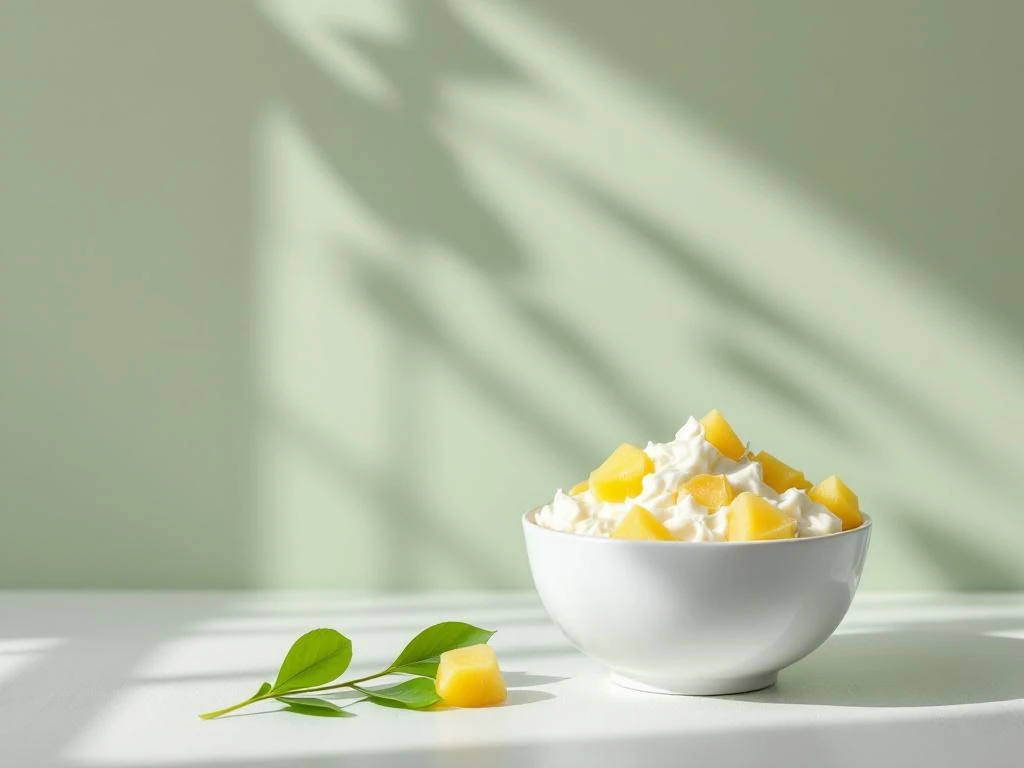
When you’re managing IBS symptoms, breakfast can feel like a minefield. Lactose-free cottage cheese with pineapple offers a simple, gut-friendly solution that takes just 5 minutes to prepare. This beginner-friendly recipe combines protein-rich lactose-free cottage cheese with the natural sweetness of pineapple, creating a balanced meal that fits perfectly into the low FODMAP elimination phase.
You’ll need lactose-free cottage cheese, fresh or canned pineapple, and a bowl. Optional toppings like chia seeds or maple syrup can add variety whilst keeping the dish IBS-friendly. This guide walks you through ingredient selection, proper portioning for FODMAP compliance, and creative variations for different meal times.
The entire process takes about 5 minutes. No cooking skills required, just basic kitchen knowledge. By the end, you’ll have a versatile cottage cheese recipe that works for breakfast, lunch, or snacks, plus practical tips for meal prepping throughout the week.
Why lactose-free cottage cheese is perfect for IBS
Regular cottage cheese contains lactose, which triggers digestive symptoms in many people with IBS. Lactose-free cottage cheese removes this problem by breaking down the lactose before you eat it. The lactase enzymes do the work your gut struggles with, making the cheese easier to digest.
Cottage cheese delivers high-quality protein without the FODMAP load of regular dairy. A typical serving provides about 12-15 grams of protein, helping you feel satisfied longer. This matters when you’re following a restrictive diet, as protein helps maintain muscle mass and keeps energy levels steady throughout the day.
Pairing lactose-free cottage cheese with pineapple creates a balanced, gut-friendly meal. Pineapple contains bromelain, a natural enzyme that aids protein digestion. The fruit’s natural sweetness complements the mild, creamy flavour of cottage cheese without adding refined sugars. Fresh pineapple is low FODMAP in portions up to 140 grams, whilst canned pineapple in juice remains safe at similar serving sizes.
The combination provides quick-digesting carbohydrates from pineapple alongside slow-releasing protein from cottage cheese. This balance prevents blood sugar spikes and keeps your digestive system moving at a comfortable pace. For IBS sufferers, this gentle approach to nutrition helps avoid the bloating and discomfort that comes with harder-to-digest food combinations.
What you need for cottage cheese with pineapple
The ingredient list stays short and simple. You’ll need lactose-free cottage cheese as your base. Look for brands specifically labelled “lactose-free” rather than just “low-lactose”. Green Valley Creamery and Good Culture both make reliable lactose-free options. Check your local supermarket’s free-from section if these brands aren’t available.
For the pineapple portion, you have two options. Fresh pineapple offers the best texture and flavour, but requires cutting and preparation. Canned pineapple in juice (not syrup) works perfectly and saves time. Avoid canned pineapple in heavy syrup as the added sugars can upset sensitive stomachs.
Here’s your complete ingredient list:
- 180 grams lactose-free cottage cheese (one standard single-serve container)
- 140 grams fresh pineapple chunks or canned pineapple in juice, drained
- Optional: 1 tablespoon chia seeds (low FODMAP up to 2 tablespoons)
- Optional: 1 teaspoon pure maple syrup
- Optional: 2 tablespoons gluten-free granola (check FODMAP content)
Kitchen tools needed are minimal. Grab a medium bowl, a spoon for mixing, and a knife with cutting board if using fresh pineapple. A measuring cup helps with portion control during the elimination phase, though you can estimate once you’re familiar with safe serving sizes.
Portion sizes matter on the low FODMAP diet. Stick to 180 grams of cottage cheese per serving during elimination. This amount provides plenty of protein without overwhelming your digestive system. For pineapple, keep portions at or below 140 grams to stay within low FODMAP guidelines. Measuring your first few servings helps you learn what these portions look like.
Prepare your lactose-free cottage cheese bowl
Start by measuring 180 grams of lactose-free cottage cheese into your bowl. If you’re using a single-serve container, the entire portion typically equals this amount. Check the label to confirm. The cottage cheese should look creamy with visible curds, not watery or separated.
Prepare your pineapple next. For fresh pineapple, cut away the tough core and dice the flesh into bite-sized chunks. Aim for pieces about 2 centimetres across so they’re easy to eat with the cottage cheese. If using canned pineapple, drain it thoroughly in a colander. Press gently with a spoon to remove excess juice. Too much liquid makes your cottage cheese bowl runny.
Add 140 grams of pineapple chunks on top of the cottage cheese. You can mix them through or leave them on top for a layered presentation. Layering creates visual appeal whilst mixing ensures you get pineapple in every bite. Choose based on your preference.
For optional toppings, sprinkle chia seeds over the top. They add omega-3 fatty acids and a slight crunch. Drizzle maple syrup if you want extra sweetness, but start with just 1 teaspoon. You can always add more, but you can’t take it away. Gluten-free granola works as a final layer for added texture, though check the ingredients list for high FODMAP items like honey or dried fruit.
Success check: Your bowl should have distinct layers if you haven’t mixed it, or a uniform pink-white colour if you have. The pineapple should be evenly distributed, and any toppings should sit on top without sinking into the cottage cheese.
Customize your bowl for different meal times
This cottage cheese recipe adapts easily to different meals. For breakfast, add low FODMAP fruits like strawberries (up to 65 grams) or blueberries (up to 40 grams). These berries provide antioxidants and natural sweetness without triggering IBS symptoms. Sprinkle 1 tablespoon of chia seeds for extra fibre that supports healthy digestion.
At lunch, make the bowl more substantial by adding a handful of gluten-free granola. Choose varieties without honey, dried fruit, or high FODMAP nuts. Rice-based granola or oat-based options work well. The added carbohydrates make this version more filling, turning it into a complete meal rather than a snack.
For an afternoon snack, keep it simple with just cottage cheese and pineapple. This lighter version provides protein to bridge the gap between lunch and dinner without filling you up too much. Add a small drizzle of maple syrup if you need an energy boost.
Adjust sweetness levels based on your pineapple’s ripeness. Ripe fresh pineapple tastes sweeter than underripe fruit or canned versions. Taste your pineapple before adding sweeteners. You might not need any additional maple syrup if your fruit is naturally sweet.
Keep combinations FODMAP-friendly by checking portion sizes for each addition. Strawberries stay low FODMAP at 65 grams, blueberries at 40 grams, and chia seeds at 2 tablespoons. Going over these amounts can trigger symptoms even during the reintroduction phase. Measure carefully until you’re confident with visual estimates.
Store and meal prep cottage cheese bowls
Lactose-free cottage cheese stays fresh for 5-7 days after opening when stored properly. Keep it in its original container with the lid sealed tightly. Store it in the coldest part of your fridge, usually the back of the bottom shelf. Check the use-by date and follow it strictly, as cottage cheese spoils faster than hard cheeses.
Prep pineapple in advance to save time during busy mornings. Cut fresh pineapple into chunks and store them in an airtight container for up to 4 days. Place a paper towel in the bottom of the container to absorb excess moisture. This prevents the pineapple from becoming mushy. Canned pineapple lasts longer once opened, about 5-7 days in the fridge when transferred to a sealed container.
Avoid assembling complete bowls ahead of time. The pineapple juice seeps into the cottage cheese, making it watery and less appealing. The texture suffers significantly after a few hours. Instead, prep ingredients separately and combine them when you’re ready to eat.
For meal prep success, portion cottage cheese into individual containers at the start of the week. Measure 180 grams into each container and seal them. Do the same with pineapple chunks in separate containers. When you want a bowl, grab one of each and combine them. This method takes 30 seconds and maintains optimal texture.
Watch for signs of spoilage before eating stored cottage cheese. Discard it if you notice a sour smell, visible mould, or excessive liquid separation. When cottage cheese goes bad, it develops an off-putting odour that’s hard to miss. Trust your senses. Food safety matters more than avoiding waste, especially when managing IBS.
Freeze cottage cheese only as a last resort. Freezing changes the texture dramatically, making it grainy and watery when thawed. The curds separate and never quite return to their original consistency. Fresh pineapple freezes better than cottage cheese, though it becomes softer after thawing. Use frozen pineapple in smoothies rather than cottage cheese bowls.
You’ve now got a versatile, IBS-friendly recipe that works for any time of day. This lactose-free cottage cheese bowl delivers protein, natural sweetness, and digestive ease in just 5 minutes. The simple preparation means you’ll actually make it regularly, not just when you have extra time. Experiment with the low FODMAP additions suggested to find your favourite combination, and remember that proper portioning keeps this meal gut-friendly throughout your elimination phase.
Lactose-free cottage cheese with pineapple
Preparation Time: 5 minutes | Servings: 1
- 180g lactose-free cottage cheese
- 140g fresh or canned pineapple chunks (drained if canned)
- Optional: 1 tbsp chia seeds
- Optional: 1 tsp pure maple syrup
- Optional: 2 tbsp gluten-free granola
Steps:
- Measure 180g lactose-free cottage cheese into a bowl
- Prepare pineapple by cutting fresh fruit into chunks or draining canned pineapple
- Add 140g pineapple chunks on top of cottage cheese
- Mix together or leave layered based on preference
- Add optional toppings: chia seeds, maple syrup, or gluten-free granola
- Serve immediately for best texture
This recipe is for informational purposes only and is not medical or dietary advice. Please consult a healthcare professional before making any changes to your diet.
Related Articles
- What is the easiest protein to digest?
- What to drink to reduce gut inflammation?
- Lactose-Free Vanilla Chia Pudding
- Ham and Cheese Crustless Quiche
- What does IBS poop look like?