
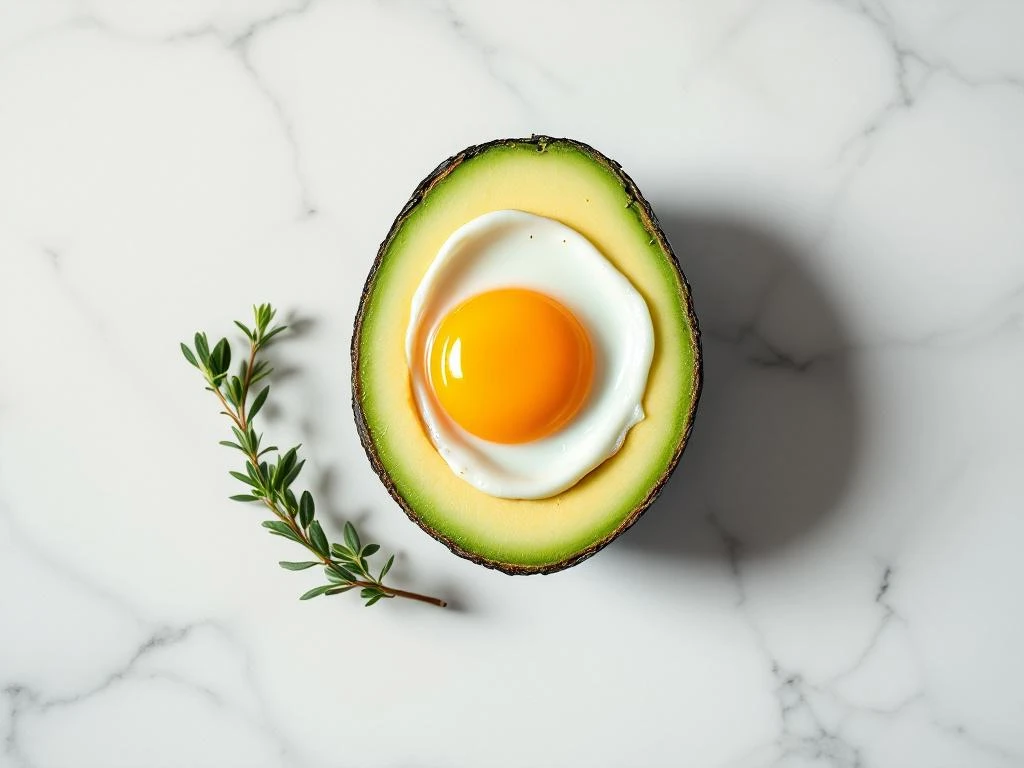
Baked eggs in avocado combine two naturally low FODMAP ingredients into one satisfying breakfast that works perfectly for anyone managing IBS symptoms. This recipe requires minimal prep and basic cooking skills, making it an easy low FODMAP recipe you can master in about 20 minutes. You’ll need ripe avocados, fresh eggs, a baking dish, and your choice of IBS friendly breakfast seasonings.
The beauty of avocado egg boats lies in their simplicity. Avocados provide healthy fats that support nutrient absorption, while eggs deliver protein to keep you full throughout the morning. This gluten free breakfast requires no special ingredients or complicated techniques, just straightforward baking that produces consistent results.
Why baked eggs in avocado work for low FODMAP diets
Avocados and eggs are both naturally low FODMAP foods when consumed in appropriate portions. A serving of 1/8 of a whole avocado remains low FODMAP, though many people following the diet can tolerate larger amounts during the reintroduction phase. Eggs contain no FODMAPs at all, making them a reliable protein source for anyone with digestive sensitivities.
This combination offers substantial nutritional benefits beyond FODMAP compliance. The healthy fats in avocados help your body absorb fat-soluble vitamins, while eggs provide complete protein with all essential amino acids. Together, they create a balanced meal that supports gut health without triggering IBS symptoms. The fibre in avocados also promotes digestive regularity, though you should monitor your individual tolerance.
Baked avocado eggs recipe options fit seamlessly into elimination phase meal planning. You control every ingredient, avoiding hidden FODMAPs that often hide in restaurant dishes or pre-made breakfast items. This transparency matters when you’re tracking symptoms and identifying trigger foods.
What you need to make avocado egg boats
Select ripe avocados that yield slightly to gentle pressure but aren’t mushy. Overripe avocados become too soft during baking and won’t hold their shape properly. Underripe ones remain hard and don’t taste as good. The ideal avocado feels like a ripe peach when you squeeze it gently.
Essential ingredients:
- 2 ripe avocados
- 4 small eggs or 2 large eggs (depending on avocado well size)
- Salt and black pepper to taste
- Fresh chives, parsley, or basil (optional)
- Paprika for colour and mild flavour (optional)
Required kitchen equipment:
- Sharp knife for cutting avocados
- Spoon for removing pits and enlarging wells
- Baking dish or muffin tin
- Oven preheated to 220°C (425°F)
- Small bowl for catching any egg overflow
Choose fresh eggs for best results. Older eggs have thinner whites that spread more easily, which can lead to overflow issues when baking in the confined space of an avocado well.
Prepare your avocados for baking
Cut each avocado in half lengthways, working your knife around the pit. Twist the halves in opposite directions to separate them. Remove the pit by carefully tapping your knife into it and twisting gently, or scoop it out with a spoon if you’re uncomfortable using the knife method.
Enlarge the well where the pit was by scooping out about one to two tablespoons of avocado flesh. This creates enough room for the egg without it overflowing. Save the scooped avocado for another use, such as spreading on low FODMAP toast or adding to a salad.
Create a stable base for your avocado halves in the baking dish. If they tip over, the egg will spill out during cooking. You can slice a thin piece off the rounded bottom to create a flat surface, nestle them in a muffin tin, or prop them against each other in pairs. Some cooks create a ring of scrunched aluminium foil to hold each half upright.
Season the avocado wells with a pinch of salt and pepper before adding the eggs. This ensures the avocado itself has flavour, not just the egg.
Bake eggs in avocado to perfection
Crack each egg into a small bowl before transferring it to the avocado well. This prevents shell fragments from ending up in your breakfast and gives you better control over placement. Gently pour the egg into the prepared well, allowing the white to settle around the yolk.
Place the baking dish in your preheated oven on the middle rack. Baking time varies based on your egg preference:
- 12 to 15 minutes for runny yolks with set whites
- 15 to 18 minutes for jammy yolks that are slightly soft in the centre
- 18 to 20 minutes for fully set, firm yolks
Watch for visual cues that indicate doneness. The egg whites should appear opaque and firm rather than translucent. The yolk will have a thin film forming over the top when it’s nearly done. If you prefer runny yolks, remove the dish as soon as the whites set completely.
Oven temperatures vary, so check your eggs at the minimum time and add more minutes as needed. The avocado flesh will soften slightly during baking but shouldn’t turn brown if you’ve preheated properly and kept the cooking time reasonable.
Customize with low FODMAP toppings and seasonings
Fresh herbs add colour and flavour without introducing FODMAPs. Chives provide a mild onion taste that’s safe in small amounts. Parsley offers a fresh, slightly peppery note. Basil brings sweetness that pairs well with the creamy avocado. Chop these herbs finely and sprinkle them over your baked eggs just before serving.
Paprika adds visual appeal and a subtle smoky flavour. Use sweet paprika for mild taste or smoked paprika for deeper complexity. A light dusting is enough. Black pepper works well if you enjoy a bit of heat.
Protein additions that stay low FODMAP:
- Crispy bacon (check ingredients for garlic and onion)
- Smoked salmon (about 30g per serving)
- Cooked prawns (small portion)
- Crumbled feta cheese (if you tolerate lactose-free dairy)
Keep portions sensible when adding toppings. The goal is to enhance the dish without overwhelming the natural flavours of the avocado and egg. One or two additional ingredients usually suffice for healthy breakfast ideas that remain gentle on your digestive system.
Troubleshoot common baked avocado egg issues
Eggs overflowing from the wells happen when you haven’t scooped out enough avocado flesh or when you use eggs that are too large. If overflow occurs, the egg will spread across your baking dish and cook separately from the avocado. Prevent this by testing your well size before adding the egg. Fill it with water to see if it holds the volume you need, then pour the water out and dry the well thoroughly.
Avocados browning during baking indicate your oven temperature is too high or the cooking time is too long. Reduce the temperature by 10°C and check for doneness earlier. Some browning around the edges is normal, but the flesh shouldn’t turn dark brown throughout.
Uneven cooking results from inconsistent avocado sizes or irregular oven heat distribution. Place larger avocados towards the centre of the dish where heat is most consistent. Rotate the baking dish halfway through cooking if your oven has hot spots.
Eggs not setting properly suggest your oven wasn’t fully preheated or the temperature is inaccurate. Use an oven thermometer to verify the actual temperature matches your setting. Give your oven an extra five minutes to preheat before baking. If eggs still seem undercooked after the maximum suggested time, continue baking in two-minute intervals until the whites set completely.
Avocado halves tipping over mid-bake can be fixed by adjusting your stabilization method. Muffin tins provide the most secure hold. If using a flat baking dish, make sure your foil rings are tight enough or that you’ve cut enough off the bottom to create a truly flat surface.
Now you have all the knowledge to create this simple, nourishing low FODMAP breakfast that supports your digestive health. The technique works for meal prep too. Prepare your avocados in advance and store them with the cut sides pressed against plastic wrap to minimize browning, then crack the eggs and bake when you’re ready to eat.
Baked eggs in avocado
Cooking time: 15 to 20 minutes | Portions: 2 servings
Ingredients:
- 2 ripe avocados
- 4 small eggs (or 2 large eggs)
- Salt and black pepper
- Fresh chives, parsley, or basil (optional)
- Paprika (optional)
Instructions:
- Preheat oven to 220°C (425°F)
- Cut avocados in half and remove pits
- Scoop out 1 to 2 tablespoons of flesh from each well
- Stabilize avocado halves in baking dish or muffin tin
- Season wells with salt and pepper
- Crack eggs into small bowl, then transfer to avocado wells
- Bake 12 to 20 minutes depending on desired yolk firmness
- Remove when whites are set and opaque
- Top with fresh herbs and additional seasonings
- Serve immediately
This recipe is for informational purposes only and is not medical or dietary advice. Please consult a healthcare professional before making any changes to your diet.
Related Articles
- Is Greek yogurt safe on a low-FODMAP diet?
- Is bacon ok on FODMAP?
- Egg and Cheese Breakfast Tacos
- What sandwiches can I eat with IBS?
- What naturally kills bad bacteria in the gut?