
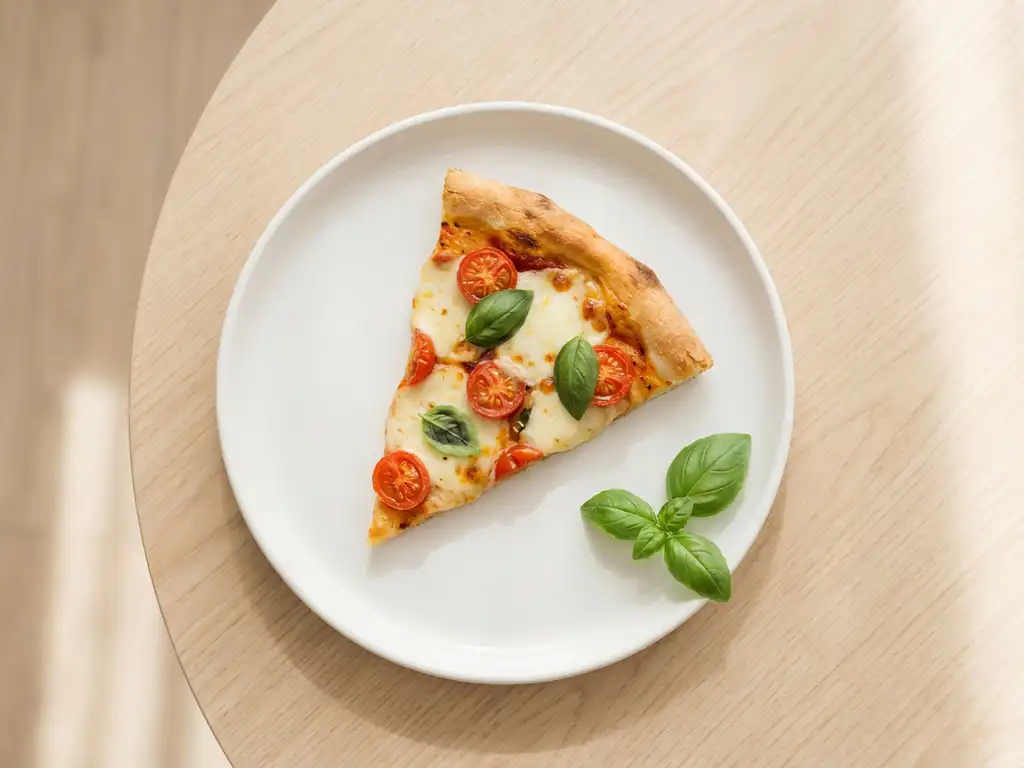
Pizza is one of the most beloved comfort foods worldwide, but for those living with IBS (irritable bowel syndrome), the question “Can I eat pizza?” often comes with anxiety and uncertainty. The good news is that, with the right approach and an understanding of the low FODMAP diet, you can absolutely enjoy pizza while managing your IBS symptoms effectively.
The key lies in understanding which pizza ingredients are high in FODMAPs and learning how to make smart substitutions. Whether you’re making pizza at home or navigating restaurant options, there are plenty of ways to satisfy your pizza cravings without triggering digestive discomfort.
Can you eat pizza when you have IBS?
Yes, you can eat pizza with IBS by choosing low FODMAP ingredients and avoiding high FODMAP toppings such as garlic, onions, and certain cheeses. Traditional pizza often contains multiple IBS triggers, but with careful ingredient selection, pizza can be part of a low FODMAP diet.
The main challenges with conventional pizza include wheat-based crusts (which contain fructans), garlic and onion in sauces, high-lactose cheeses, and processed meats with added garlic or onion powder. However, these obstacles are entirely manageable with the right substitutions and preparation methods.
Many people following the low FODMAP diet successfully enjoy pizza by using gluten-free crusts, lactose-free cheeses, and carefully selected toppings. Portion size also matters, as even low FODMAP foods can become problematic in large quantities.
What pizza ingredients are high in FODMAPs?
High FODMAP pizza ingredients include wheat-flour crusts, garlic, onions, certain cheeses such as ricotta and cottage cheese, processed meats with garlic powder, and vegetables such as mushrooms and bell peppers in large amounts. These ingredients contain fructans, lactose, or other FODMAPs that can trigger IBS symptoms.
The pizza base is often the biggest culprit, as traditional wheat flour contains fructans. Many pizza sauces also contain garlic and onion, two of the highest-FODMAP ingredients. When it comes to cheese, while aged cheeses such as mozzarella and cheddar are generally low FODMAP in moderate portions, fresh cheeses and those with higher lactose content should be avoided.
Processed meats such as pepperoni, sausage, and ham frequently contain garlic and onion powder as flavor enhancers. Even seemingly innocent vegetables can be problematic: mushrooms are high in mannitol, while large portions of bell peppers can contribute excess fructose.
How do you make low FODMAP pizza at home?
Making low FODMAP pizza at home involves using a gluten-free flour blend or low FODMAP base, garlic-infused oil instead of fresh garlic, aged cheeses in moderate amounts, and carefully selected toppings such as spinach, tomatoes, and herbs. Start with a premade gluten-free base, or make your own using rice flour and tapioca starch.
For the sauce, create a simple tomato base using canned tomatoes, garlic-infused oil, fresh basil, and oregano. Avoid premade sauces, which often contain garlic and onion. Garlic-infused oil provides flavor without the FODMAPs, as fructans don’t dissolve in oil.
Choose aged cheeses such as mozzarella, cheddar, or Parmesan in portions of about 40 g per serving. These cheeses have minimal lactose due to the aging process. For toppings, stick to low FODMAP vegetables such as spinach, cherry tomatoes, zucchini, and bell peppers in small amounts (less than 1/2 cup per serving).
If you want meat toppings, opt for plain grilled chicken or turkey, or check labels carefully for processed meats without garlic or onion additives. Fresh herbs such as basil, oregano, and rosemary add excellent flavor without FODMAP concerns.
What are the best pizza toppings for IBS?
The best pizza toppings for IBS include spinach, cherry tomatoes, aged cheeses, plain grilled chicken, fresh herbs such as basil and oregano, small amounts of zucchini, and olives. These toppings are low in FODMAPs when consumed in appropriate portions and provide great flavor without triggering symptoms.
Leafy greens such as spinach and arugula are excellent choices, as they’re virtually FODMAP-free and add nutritional value. Cherry tomatoes provide sweetness and acidity in small amounts, while regular tomatoes can be used more liberally, as they’re naturally low FODMAP.
For protein, stick to plain meats without seasoning blends. Grilled chicken, turkey, and even some seafood such as shrimp work well. Eggs can also make an interesting pizza topping and are completely FODMAP-free.
Herbs and seasonings are your friends: fresh basil, oregano, rosemary, thyme, and even chives (in small amounts) can elevate your pizza’s flavor profile. A drizzle of good olive oil and a sprinkle of sea salt can also enhance the overall taste.
Can you eat restaurant pizza with IBS?
Eating restaurant pizza with IBS is challenging but possible with careful menu navigation and specific requests. Most restaurant pizzas contain high FODMAP ingredients, but some establishments offer gluten-free crusts and can accommodate special requests, such as no garlic in the sauce or specific toppings only.
When dining out, look for restaurants that offer gluten-free options, as they’re more likely to understand dietary restrictions. Call ahead to ask about the ingredients in their pizza sauce and whether they can prepare a pizza without garlic and onion. Many pizzerias can make a simple Margherita pizza with just tomato sauce (without garlic), mozzarella, and fresh basil.
Consider ordering a salad with your pizza to help fill you up with low FODMAP vegetables, allowing you to eat smaller portions of the pizza itself. Some restaurants also offer cauliflower crusts, though you should verify the ingredients, as some contain high FODMAP binders or seasonings.
Fast-casual pizza chains often have more flexibility for customization than traditional pizzerias. Don’t hesitate to ask questions about ingredients and preparation methods.
What’s the difference between gluten-free and low FODMAP pizza?
Gluten-free pizza eliminates wheat, barley, and rye but may still contain high FODMAP ingredients such as garlic, onion, or certain vegetables, while low FODMAP pizza specifically avoids foods high in fermentable carbohydrates. A pizza can be gluten-free but not low FODMAP, or vice versa, though many people need both restrictions.
Gluten-free focuses solely on removing gluten proteins, which is essential for people with celiac disease but doesn’t address other IBS triggers. A gluten-free pizza might still use garlic and onion in the sauce, high FODMAP vegetables as toppings, or cheeses that are problematic for those with lactose sensitivity.
Low FODMAP pizza takes a broader approach, considering all potentially problematic carbohydrates. This means using not just gluten-free flour, but also avoiding garlic, onion, certain vegetables, and being mindful of portion sizes even for allowed ingredients.
The ideal pizza for someone with IBS often needs to be both gluten-free and low FODMAP. This combination ensures the elimination of wheat-based fructans while also avoiding other common IBS triggers. We focus on creating recipes that meet both criteria, making pizza accessible for those with multiple food sensitivities.
Simple Low FODMAP Pizza
Cooking Time: 25 minutes | Servings: 4
Ingredients:
- 1 gluten-free pizza base, or a homemade base made with a rice flour blend
- 1/2 cup canned crushed tomatoes
- 2 tablespoons garlic-infused olive oil
- 150 g mozzarella cheese, grated
- 1 cup fresh spinach leaves
- 1/2 cup cherry tomatoes, halved
- Fresh basil leaves
- Salt and pepper, to taste
Cooking Instructions:
- Preheat the oven to 220°C (200°C fan).
- Mix the crushed tomatoes with the garlic-infused oil, salt, and pepper to make the sauce.
- Spread the sauce evenly over the pizza base, leaving a border for the crust.
- Sprinkle the mozzarella over the sauce.
- Add the spinach leaves and cherry tomato halves.
- Bake for 12–15 minutes, until the crust is golden and the cheese is bubbling.
- Remove from the oven and top with fresh basil leaves before serving.
This recipe is for informational purposes only and is not medical or dietary advice. Please consult a healthcare professional before making any changes to your diet.
Related Articles
- How to calm down IBS in the morning?
- What are the best snacks for IBS?
- Is broccoli good for IBS?
- Orange Ginger Overnight Oats
- Can I eat pasta with IBS?