
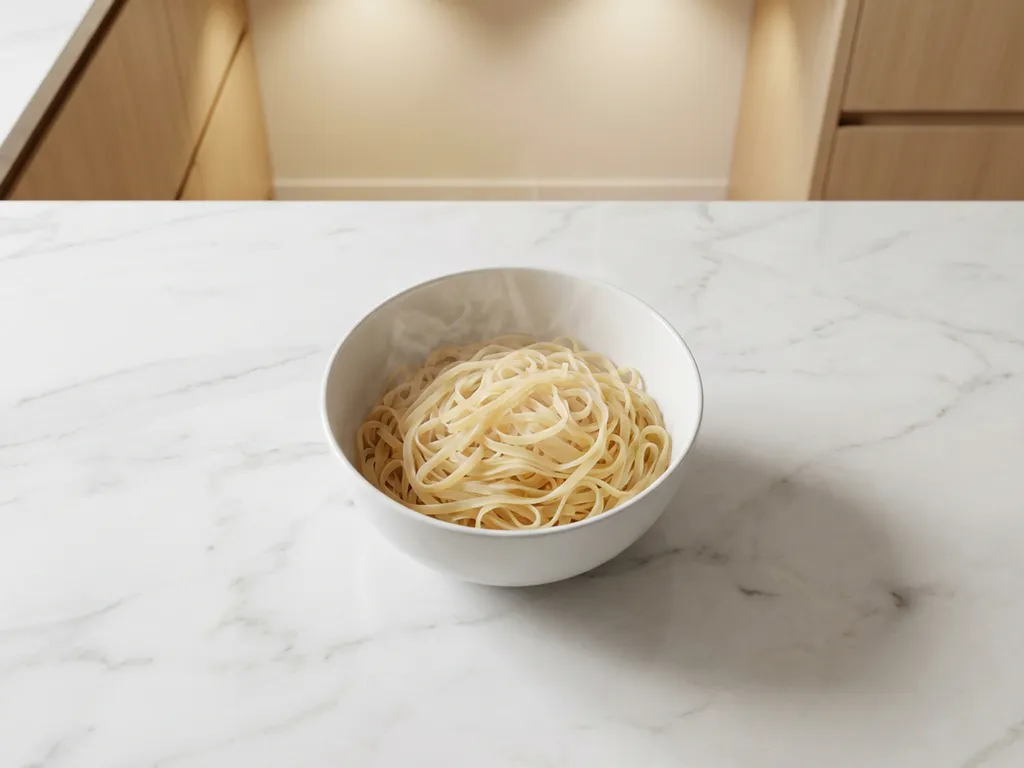
Navigating pasta choices with IBS can feel overwhelming, especially when you’re trying to follow a low-FODMAP diet. Many traditional pasta options contain ingredients that can trigger digestive symptoms, leaving you wondering which varieties are safe to enjoy. The good news is that with the right knowledge about FODMAP content and proper portion sizes, you can still savor delicious pasta dishes without compromising your digestive health.
Understanding which pasta types work best for IBS management involves looking beyond gluten content to consider specific carbohydrates and fiber types that may trigger symptoms. Let’s explore the key factors that make certain pasta varieties more IBS-friendly than others.
What makes pasta difficult for people with IBS?
Traditional wheat-based pasta contains fructans, a type of FODMAP that can trigger IBS symptoms, including bloating, gas, and abdominal pain. Fructans are short-chain carbohydrates that are poorly absorbed in the small intestine and can ferment in the colon, causing digestive distress in sensitive individuals.
Beyond fructans, conventional pasta often contains high amounts of insoluble fiber, which can be problematic for people with IBS-D (diarrhea-predominant IBS). The gluten protein in wheat pasta may also contribute to inflammation and digestive discomfort, though this is separate from the FODMAP content. Additionally, many people with IBS consume larger portions of pasta than recommended, which can overwhelm the digestive system even with lower-FODMAP varieties.
The processing methods used in conventional pasta production can also concentrate these problematic compounds. Refined wheat pasta strips away many beneficial nutrients while maintaining the fructan content that causes issues for people with IBS.
Which pasta types are considered low FODMAP?
Rice-based pasta, quinoa pasta, and corn pasta are considered low-FODMAP options when consumed in appropriate serving sizes. These alternatives are naturally free from fructans and provide safe options for the elimination phase of the low-FODMAP diet.
Specifically, brown rice pasta and white rice pasta both test low for FODMAPs at serving sizes of up to 1 cup cooked. Quinoa pasta offers additional protein and nutrients while remaining FODMAP-friendly. Corn pasta, made from corn flour or cornmeal, is another excellent choice that provides a texture similar to traditional wheat pasta.
Some specialty pasta made from legume flours, such as chickpea or lentil pasta, may be suitable, but these require careful portion control, as they can become moderate to high FODMAP in larger servings. Always check the Monash University FODMAP app for the most current serving-size recommendations for specific products.
Is gluten-free pasta always better for IBS?
Gluten-free pasta is not automatically better for IBS, as many gluten-free varieties still contain high-FODMAP ingredients. The key factor for IBS management is FODMAP content, not gluten content, though some people may benefit from avoiding both.
Many commercial gluten-free pasta products use ingredients such as onion powder, garlic powder, or inulin as flavor enhancers or fiber sources. These additives are high FODMAP and can trigger symptoms just as much as traditional wheat pasta. Some gluten-free pasta made from bean or pea flour can also be high in oligosaccharides, another type of FODMAP.
The most reliable approach is to choose gluten-free pasta made from single, low-FODMAP ingredients such as rice, corn, or quinoa. Always read ingredient labels carefully and avoid products with multiple flours or added fiber sources unless they have been specifically tested and certified as low FODMAP.
How much pasta can you eat on a low FODMAP diet?
On a low-FODMAP diet, you can typically eat 1 cup (approximately 140–180 g) of cooked low-FODMAP pasta per serving. This portion size has been tested and confirmed as low FODMAP for rice-based and corn-based pasta varieties.
Portion control is crucial because even low-FODMAP foods can become problematic in larger quantities due to FODMAP stacking. The 1-cup serving size allows you to enjoy pasta while staying within safe limits. If you’re particularly sensitive, you might want to start with a smaller portion, around 3/4 cup, and gradually increase as tolerated.
It’s important to measure your pasta after cooking, as dry measurements can be misleading. One cup of cooked pasta typically equals about 2 ounces (60 g) of dry pasta, depending on the shape and type. Remember that this serving size applies to the pasta alone, and you’ll need to consider the FODMAP content of any sauces or toppings you add.
What are the best pasta brands for IBS sufferers?
The best pasta brands for people with IBS are those that produce simple, single-ingredient pasta from low-FODMAP grains such as rice or corn. Look for brands that list only rice flour, corn flour, or quinoa flour, without additional ingredients or flavor enhancers.
When selecting pasta brands, prioritize those that avoid common high-FODMAP additives such as onion powder, garlic powder, or inulin. Some brands specifically market their products as low-FODMAP certified, which can provide additional confidence in your choice. However, certification isn’t always necessary if you can verify that the ingredients are low FODMAP.
Reading ingredient labels is more important than brand loyalty when managing IBS. A simple rice pasta made with only rice flour and water will typically be safer than a complex multigrain blend, regardless of the brand. Consider trying different shapes and textures from various manufacturers to find options that satisfy your taste preferences while remaining gentle on your digestive system.
How do you prepare pasta to minimize IBS symptoms?
To minimize IBS symptoms, cook pasta until it’s well done rather than al dente, as softer pasta is easier to digest. Rinse cooked pasta with warm water to remove excess starch, and pair it with low-FODMAP sauces and ingredients to create a complete, gut-friendly meal.
Proper cooking technique can significantly affect digestibility. Slightly overcooking pasta breaks down the starches and makes them easier for your digestive system to process. After cooking, a quick rinse removes surface starch that can contribute to bloating in sensitive individuals.
When preparing your pasta dish, focus on low-FODMAP sauce options such as olive oil with herbs, tomato-based sauces without garlic or onion, or simple butter-and-Parmesan combinations. Add low-FODMAP vegetables such as bell peppers, zucchini, or spinach for nutrition and flavor. Eat slowly and mindfully, chewing thoroughly to aid digestion and help your body recognize satiety signals before you eat too much.
Simple Low-FODMAP Pasta Recipe
Cooking Time: 15 minutes | Servings: 4
Ingredients:
- 8 oz (240 g) rice-based pasta
- 2 tablespoons olive oil
- 1 red bell pepper, sliced
- 2 cups fresh spinach
- 1/4 cup grated Parmesan cheese
- Salt and pepper, to taste
- Fresh basil leaves, for garnish
Cooking Instructions:
- Cook the rice pasta according to the package directions until well done.
- Heat the olive oil in a large pan over medium heat.
- Add the sliced bell pepper and cook for 3–4 minutes, until softened.
- Add the spinach and cook until wilted.
- Drain the pasta and rinse with warm water.
- Toss the pasta with the vegetables, Parmesan, salt, and pepper.
- Serve immediately, garnished with fresh basil.
This recipe is for informational purposes only and is not medical or dietary advice. Please consult a healthcare professional before making any changes to your diet.
Related Articles
- Can you eat cheese on FODMAP?
- Turkey Sausage and Egg Skillet
- What is the #1 cause of IBS?
- Where is IBS pain usually felt?
- Lactose-Free Greek Yogurt with Granola