
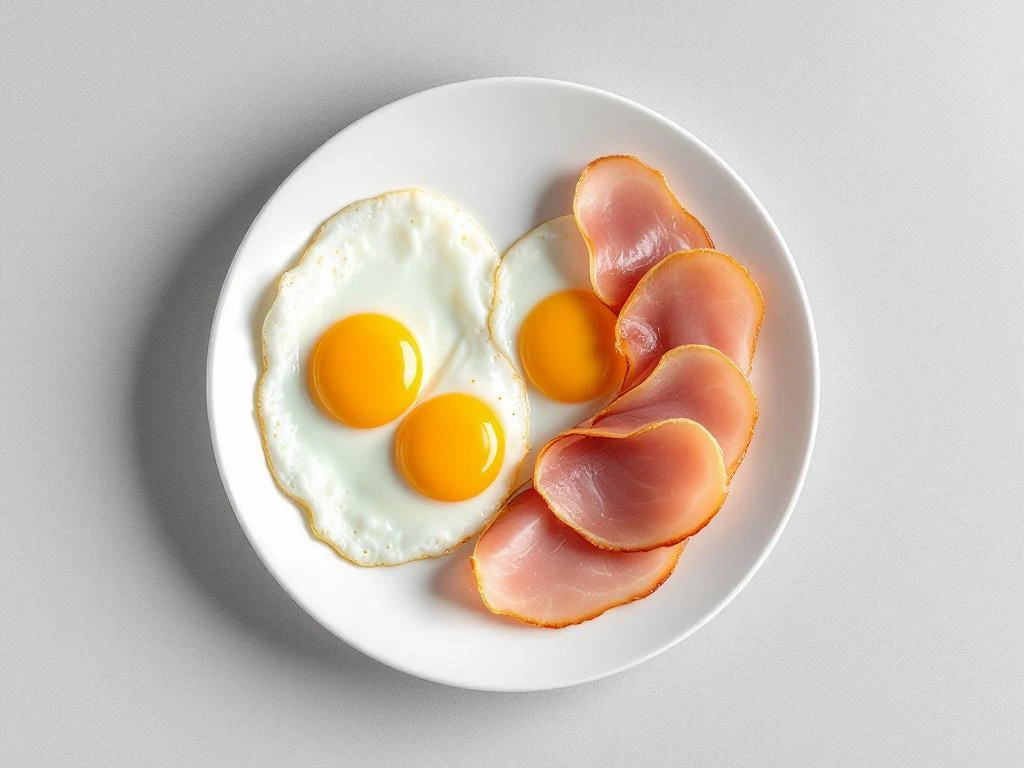
When you’re managing IBS symptoms, breakfast can feel like a minefield of potential triggers. A simple ham and egg breakfast plate offers a protein-rich, low FODMAP solution that keeps you satisfied without causing digestive upset. This easy breakfast recipe takes just 10 minutes to prepare and delivers essential nutrients that support your gut health throughout the morning.
This guide is perfect for beginners who want a quick breakfast idea that fits within low FODMAP guidelines. You’ll need basic cooking equipment and about 10 minutes from start to finish. We’ll walk you through selecting the right ingredients, cooking techniques for perfect eggs, and ways to customize your plate whilst staying within safe FODMAP limits.
Why a ham and egg breakfast plate works for IBS
Eggs and ham create a powerful combination for managing IBS symptoms. Both foods are naturally low in FODMAPs, which means they won’t trigger the fermentation process that causes bloating, gas and abdominal discomfort. This protein breakfast plate provides around 20-25 grams of protein per serving, helping you feel full and energised until lunch without the mid-morning energy crash that comes from high-carb breakfasts.
The nutritional benefits extend beyond just being IBS friendly. Eggs contain all nine essential amino acids your body needs, plus vitamin B12, selenium and choline for brain health. Ham adds extra protein along with iron and zinc. This combination supports stable blood sugar levels, which is particularly helpful when you’re dealing with digestive issues that can affect your energy throughout the day.
Unlike many breakfast options that rely on wheat-based products or dairy, this gluten free breakfast naturally avoids common trigger foods. The high protein content slows digestion in a good way, providing sustained energy without overwhelming your digestive system. You’ll stay satisfied for 3-4 hours after eating, which helps prevent the snacking that can sometimes introduce problematic FODMAPs back into your diet.
Gather your low FODMAP ingredients and tools
Start with 2 large eggs per person and 2-3 slices of low FODMAP ham. Check your ham labels carefully, as many processed meats contain onion powder or garlic powder. Look for plain ham, prosciutto or Parma ham without added seasonings. You can also use turkey ham or chicken slices if you prefer lighter options.
For cooking, you’ll need a suitable fat that won’t upset your stomach. Good options include 1 tablespoon of butter (which is low FODMAP in small amounts), garlic-infused oil (the oil is safe even though garlic isn’t), or plain olive oil. Avoid using regular garlic or onion in any form.
Your essential kitchen tools include a non-stick frying pan, a spatula or egg flip, a plate for serving, and basic utensils. Having a lid for your pan helps if you want to steam the tops of fried eggs. Keep salt and black pepper handy for seasoning, along with any low FODMAP herbs you enjoy such as chives, parsley or basil.
Optional safe additions can transform this basic plate into something more substantial. Consider adding a handful of baby spinach (low FODMAP up to 1 cup), cherry tomatoes (5 tomatoes maximum), or a slice of gluten-free bread. Red bell pepper strips, cucumber slices or a small serving of rocket also work well. Just remember that portion sizes matter with FODMAPs, so measure your additions carefully until you know your personal tolerance levels.
Ingredient substitutions for dietary variations
If you can’t eat pork, substitute the ham with turkey breast, chicken slices or smoked salmon. Vegetarians following a low FODMAP diet can replace ham with firm tofu (up to 170g per serving), tempeh (up to 75g), or an extra egg. Those who need to avoid eggs entirely might use scrambled tofu seasoned with turmeric for colour and black salt for an eggy flavour.
Prepare and cook your ham and eggs perfectly
Heat your non-stick pan over medium heat for about 1 minute. Add your chosen cooking fat and let it warm until it shimmers but doesn’t smoke. This temperature control prevents sticking and ensures even cooking without burning.
For fried eggs, crack each egg into a small bowl first to check for shell fragments, then gently slide them into the pan. Cook for 2-3 minutes until the whites are set but the yolks remain runny. If you prefer firmer yolks, cover the pan with a lid for the last minute of cooking, which steams the tops. Season with salt and pepper just before removing from heat.
For scrambled eggs, whisk the eggs in a bowl with a pinch of salt before adding them to the pan. Stir gently with a spatula every 20-30 seconds, pulling the cooked edges toward the centre. Remove them from heat when they’re still slightly wet, as they’ll continue cooking on the plate. This takes about 3-4 minutes total.
For poached eggs, bring a shallow pan of water to a gentle simmer (not a rolling boil). Add a splash of vinegar to help the whites set. Create a gentle whirlpool by stirring the water, then slide your egg into the centre. Cook for 3-4 minutes for a runny yolk, then lift out with a slotted spoon.
Warming the ham without overcooking
Add your ham slices to the pan during the last minute of egg cooking. They only need 20-30 seconds per side to warm through. Overcooked ham becomes tough and dry, so watch carefully. If you’re making fried eggs, you can lay the ham slices in the pan whilst the eggs cook, using the same heat to warm both components simultaneously.
Season your eggs with low FODMAP herbs at the end of cooking. Fresh chives add a mild onion-like flavour without the FODMAPs. Parsley provides freshness, whilst a pinch of paprika adds colour and subtle warmth. Avoid garlic powder, onion powder or mixed herb blends that might contain problematic ingredients.
Plate and customize your breakfast
Place your eggs slightly off-centre on a warm plate, with the ham arranged alongside rather than underneath. This presentation keeps the eggs as the focal point whilst making it easy to cut and eat each component. If you’ve made scrambled eggs, create a neat mound rather than spreading them across the plate.
Add your chosen low FODMAP vegetables now. Arrange baby spinach leaves on one side, or place halved cherry tomatoes around the edge of the plate. If you’re including gluten-free toast, lean it against the eggs or place it to the side. This creates visual appeal whilst keeping different textures separate for a more enjoyable eating experience.
Creating a complete, balanced meal
Your protein is covered by the eggs and ham, so focus on adding colour and nutrients through vegetables. A small handful of rocket or spinach provides iron and folate. Cherry tomatoes add vitamin C and antioxidants. If you want more substance, half an avocado (low FODMAP up to 1/8 of a whole avocado per serving) provides healthy fats that support nutrient absorption.
For condiments, stick to simple options. A small amount of mayonnaise (check for garlic), tomato sauce in limited quantities, or a squeeze of lemon juice all work well. Avoid relishes, chutneys or sauces that typically contain onion or high FODMAP fruits.
The ideal portion keeps you satisfied without overwhelming your digestive system. Two eggs plus 2-3 slices of ham provides plenty of protein. Add 1 cup of vegetables and optionally one slice of gluten-free toast for a complete healthy breakfast plate that supports your digestive wellness throughout the morning.
Quick serving variations
Transform this basic plate by trying different combinations. Make it Mediterranean with olives (limit to 3 olives), fresh basil and a drizzle of olive oil. Go Asian-inspired with a splash of tamari (gluten-free soy sauce), sesame oil and spring onion tops only (the green parts are low FODMAP). Create a breakfast bowl by serving everything over cooked quinoa or rice for a more filling meal on active days.
This ham and egg breakfast plate proves that eating for IBS doesn’t mean sacrificing flavour or satisfaction. You’ve learned how to select safe ingredients, cook them properly, and create variations that keep breakfast interesting. The simplicity of this recipe makes it perfect for busy mornings when you need reliable nutrition without spending time worrying about symptoms.
Once you’re comfortable with the basic version, experiment with different low FODMAP additions based on your personal tolerances. Keep a food diary to track which vegetables and seasonings work best for you. This quick breakfast idea becomes even more valuable when you develop your own favourite combinations that you know are safe and delicious.
Ham and egg breakfast plate
Cooking Time: 10 minutes | Portions: 1 serving
- Ingredients: 2 large eggs, 2-3 slices low FODMAP ham (no garlic or onion powder), 1 tablespoon butter or garlic-infused oil, salt and pepper to taste, optional: 1 cup baby spinach, 5 cherry tomatoes, fresh herbs
- Preparation: Check ham labels for FODMAP ingredients, measure any vegetable additions, have all ingredients ready before cooking
- Cooking: Heat pan over medium heat with fat, cook eggs to preferred style (fried 2-3 minutes, scrambled 3-4 minutes, poached 3-4 minutes), warm ham for 20-30 seconds per side
- Seasoning: Add salt, pepper and low FODMAP herbs like chives or parsley after cooking
- Plating: Arrange eggs off-centre, place ham alongside, add vegetables around the edge for colour and nutrition
- Customization: Include up to 1 cup spinach, 5 cherry tomatoes, 1 slice gluten-free toast, or 1/8 avocado whilst staying within FODMAP limits
- Serving tip: Eat immediately whilst eggs are warm for best texture and flavour
This recipe is for informational purposes only and is not medical or dietary advice. Please consult a healthcare professional before making any changes to your diet.
Related Articles
- Orange Almond Smoothie
- Quinoa Banana Bread Slice
- Can IBS start suddenly?
- What foods are surprisingly low in FODMAP?
- Gluten-Free Raspberry Lemon Muffins