
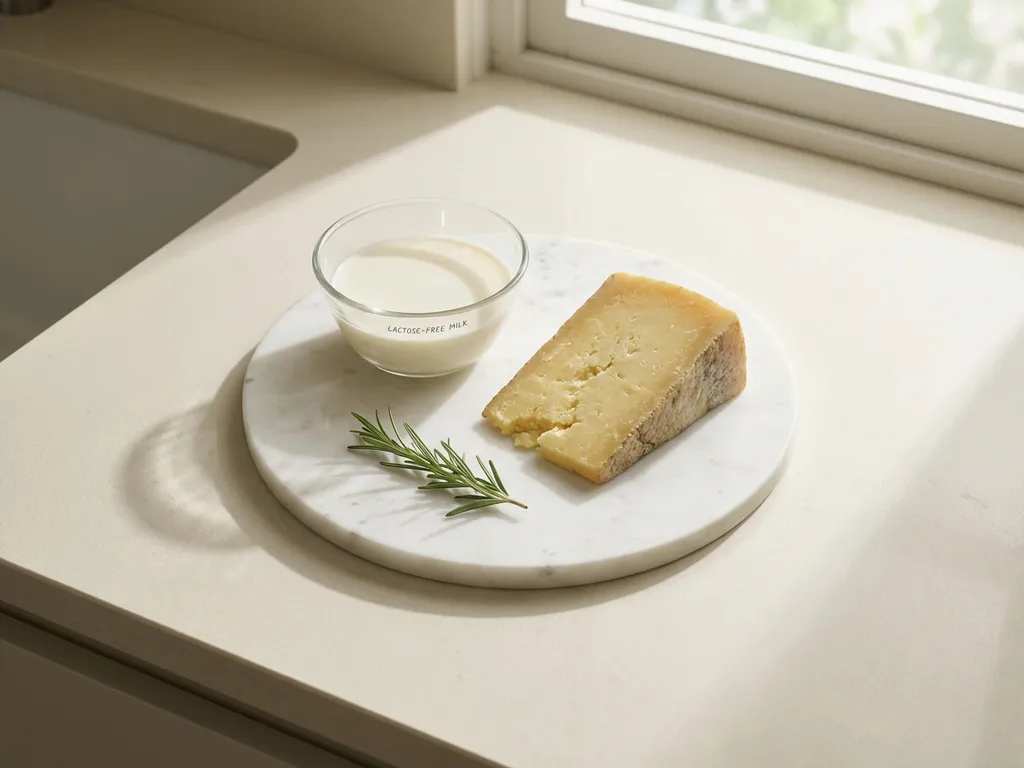
Cheese lovers following the FODMAP diet often wonder whether they need to give up their favorite dairy products entirely. The good news is that many cheeses are naturally low in FODMAPs and can be enjoyed as part of a low-FODMAP diet. Understanding which cheeses are safe, how much you can eat, and when to avoid certain varieties will help you navigate your cheese choices with confidence.
The key lies in understanding lactose content, as most FODMAPs in cheese come from lactose, a naturally occurring milk sugar. During the cheese-making process, much of the lactose is removed or converted, making many aged cheeses naturally low in FODMAPs and suitable for those managing IBS symptoms.
What is the FODMAP content in different types of cheese?
The FODMAP content in cheese varies significantly depending on the type and aging process. Hard, aged cheeses like cheddar, Parmesan, and Swiss contain minimal FODMAPs because the aging process breaks down most of the lactose. Fresh cheeses like ricotta and cottage cheese contain higher levels of lactose and are therefore higher in FODMAPs.
During cheese production, bacteria consume lactose and convert it into lactic acid. The longer a cheese ages, the more lactose is broken down. This is why aged cheeses typically contain less than 1 gram of lactose per serving, making them naturally low-FODMAP. Semi-hard cheeses like Gouda and Edam fall somewhere in the middle, with moderate lactose levels that may still be tolerable for many people following a low-FODMAP diet.
Processed cheeses and cheese spreads often contain added ingredients that can increase FODMAP content. These products may include high-FODMAP additives like garlic powder, onion powder, or high-fructose corn syrup, making them unsuitable for the elimination phase of the FODMAP diet.
Which cheeses are safe to eat on a low FODMAP diet?
Safe low-FODMAP cheeses include hard and aged varieties such as cheddar, Parmesan, Swiss, Gruyère, and aged Gouda. These cheeses contain minimal lactose and can be enjoyed in standard serving sizes without triggering digestive symptoms for most people following a low-FODMAP diet.
Specific low-FODMAP cheese options include:
- Cheddar (aged at least 3 months)
- Parmesan and Romano
- Swiss and Emmental
- Gruyère and aged Gouda
- Blue cheese varieties
- Camembert and Brie
- Feta cheese in limited quantities
These cheeses have undergone sufficient aging or processing to reduce their lactose content to levels that most people with lactose sensitivity can tolerate. The bacterial cultures used in cheese-making consume the lactose, leaving behind the rich flavors and textures that make cheese so appealing.
How much cheese can you eat on the FODMAP diet?
Most low-FODMAP cheeses can be consumed in portions of 1 to 2 ounces (30 to 60 grams) per serving without causing digestive issues. This serving size provides enough cheese for cooking, snacking, or adding to meals while staying within safe FODMAP limits for most individuals.
Portion control remains important even with low-FODMAP cheeses because individual tolerance levels vary. Some people may comfortably eat larger portions, while others might need to stick to smaller amounts. The Monash University FODMAP app provides specific serving-size recommendations for different cheese varieties, which can serve as a helpful guide.
It’s worth noting that eating multiple servings of low-FODMAP cheese throughout the day can lead to FODMAP stacking, where individually safe portions combine to create a higher overall FODMAP load. Spreading cheese consumption throughout the day and pairing it with other low-FODMAP foods helps maintain digestive comfort.
What’s the difference between lactose-free and low FODMAP cheese?
Lactose-free cheese has had the lactose artificially removed or broken down using the enzyme lactase, while low-FODMAP cheese naturally contains minimal lactose due to the aging and fermentation process. Both options are suitable for people following a low-FODMAP diet, but they achieve low lactose content through different methods.
Lactose-free cheeses are typically made using regular cheese-making processes, with an additional step in which the lactase enzyme is added to break down any remaining lactose. This makes fresh cheeses like mozzarella and ricotta available in lactose-free versions that would otherwise be high in FODMAPs. These products are specifically labeled as lactose-free and are widely available in most grocery stores.
Naturally low-FODMAP cheeses achieve their low lactose content through traditional aging and fermentation. The beneficial bacteria in these cheeses consume lactose over time, creating the complex flavors associated with aged cheeses. This natural process means that many traditional cheese varieties are inherently suitable for low-FODMAP diets without requiring special processing.
Which cheeses should you avoid on the FODMAP diet?
High-FODMAP cheeses to avoid during the elimination phase include fresh, unaged varieties such as ricotta, cottage cheese, cream cheese, and fresh mozzarella. These cheeses retain higher levels of lactose because they haven’t undergone the aging process that breaks down lactose.
Specific cheeses to limit or avoid include:
- Ricotta and cottage cheese
- Fresh mozzarella and burrata
- Cream cheese and mascarpone
- Processed cheese spreads
- Cheese products with added garlic or onion
- Some soft, young goat cheeses
Processed cheese products often contain high-FODMAP additives beyond just lactose. These may include garlic powder, onion powder, or other flavor enhancers that can trigger symptoms. Always check ingredient labels, as some processed cheeses also contain high-fructose corn syrup or other high-FODMAP sweeteners.
How do you reintroduce cheese during the FODMAP challenge phase?
Cheese reintroduction should focus on testing lactose tolerance by starting with small portions of higher-lactose cheeses like ricotta or fresh mozzarella. Begin with a quarter-cup serving and monitor symptoms for 2 to 3 days before increasing the portion size or trying different cheese varieties.
The systematic reintroduction process involves testing one type of cheese at a time while maintaining your low-FODMAP baseline diet. Start with a mild, higher-lactose option, such as a small serving of ricotta. If you experience no symptoms after three days, you can try a larger portion or move on to testing another cheese variety.
Keep detailed records of which cheeses you test, portion sizes, and any symptoms that occur. This information helps you identify your personal tolerance levels and create a sustainable long-term diet plan. Some people discover they can tolerate moderate amounts of previously problematic cheeses, while others may need to stick primarily to aged, low-FODMAP varieties.
This recipe is for informational purposes only and is not medical or dietary advice. Please consult a healthcare professional before making any changes to your diet.
Related Articles
- Gluten-Free Lemon Blueberry Scones
- Is rice high in FODMAP?
- What snacks can I eat on low FODMAP?
- Quinoa Banana Bread Slice
- Bacon and Egg Breakfast Muffins