
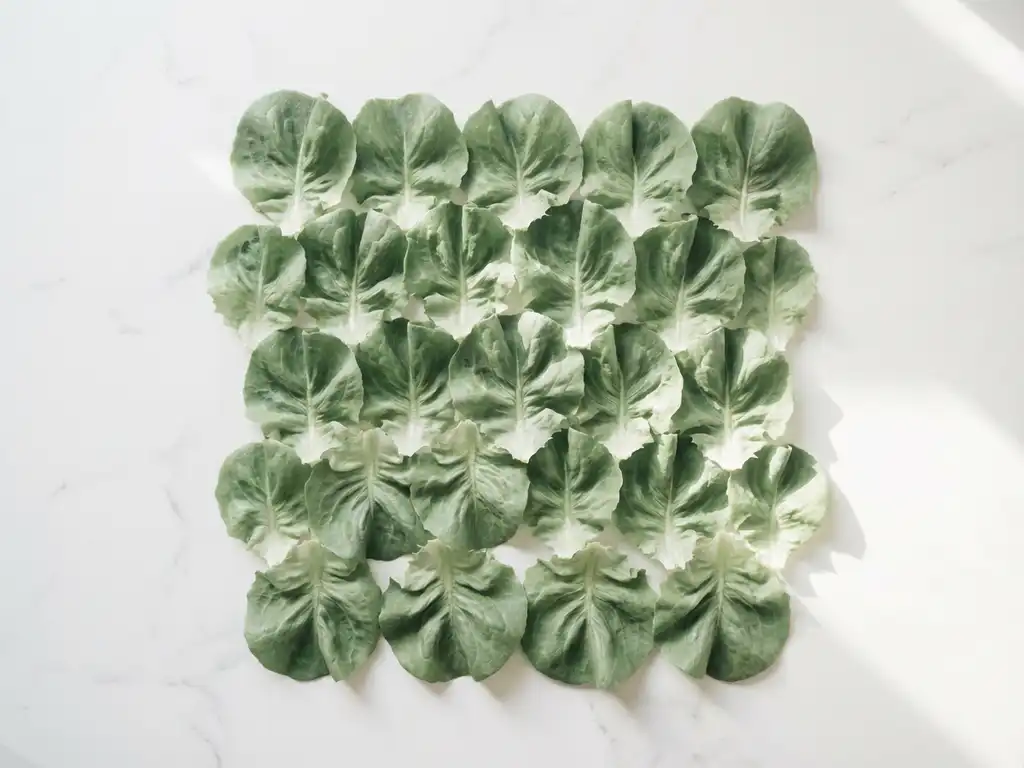
If you’re following a low-FODMAP diet to manage IBS symptoms, you’ve probably wondered about everyday foods like lettuce. This leafy green is a staple in salads, sandwiches, and wraps, so it’s essential to understand how it fits into your low-FODMAP meal planning. The good news is that most lettuce varieties are considered low FODMAP, but important details about serving sizes and preparation methods can make a difference in your digestive comfort.
Understanding which foods are safe on a low-FODMAP diet helps you feel confident about your meal choices while maintaining variety in your eating plan. Let’s explore everything you need to know about incorporating lettuce into your low-FODMAP lifestyle.
Is lettuce low in FODMAP?
Yes, lettuce is generally considered low in FODMAPs and safe to eat on a low-FODMAP diet. Most common lettuce varieties, including iceberg, romaine, butter lettuce, and mixed greens, contain minimal amounts of fermentable carbohydrates that can trigger IBS symptoms. This makes lettuce an excellent base for salads and a reliable ingredient for those managing digestive sensitivities.
Lettuce is low FODMAP largely because of its high water content and relatively simple carbohydrate profile. Unlike many vegetables that contain significant amounts of fructans, excess fructose, or polyols, lettuce primarily consists of water, fiber, and small amounts of easily digestible sugars. This composition makes it well tolerated by most people following a low-FODMAP diet, even during the strict elimination phase.
However, it’s important to note that individual tolerance can vary, and factors such as preparation method, freshness, and portion size can influence how well you digest lettuce. Some people with severe IBS may still experience mild symptoms after eating large quantities of any raw vegetable, including lettuce, due to its fiber content rather than its FODMAP levels.
What’s the difference between lettuce types and FODMAP levels?
Different lettuce varieties have similar FODMAP profiles, with most types being equally low in fermentable carbohydrates. Iceberg lettuce, romaine, butter lettuce, and red leaf lettuce all fall within the low-FODMAP category when consumed in typical serving sizes. The main differences between lettuce types relate to texture, flavor, and nutritional density rather than FODMAP content.
Iceberg lettuce has the highest water content and the mildest flavor, making it a neutral option for sensitive digestive systems. Romaine lettuce offers more nutrients and a slightly more robust texture while maintaining its low-FODMAP status. Darker leafy greens such as red leaf and butter lettuce provide additional vitamins and minerals without significantly increasing FODMAP levels.
Mixed salad greens and spring mix typically combine various low-FODMAP lettuce varieties, making them safe choices as well. The key is to check that prepackaged mixes don’t include high-FODMAP ingredients such as onions, garlic, or certain herbs that might be added for flavor.
How much lettuce can you eat on a low FODMAP diet?
You can safely consume up to 65 grams (about 1 cup, chopped) of most lettuce varieties per serving while staying within low-FODMAP limits. This generous portion size makes lettuce an excellent foundation for meals without worrying about exceeding FODMAP thresholds. For iceberg lettuce specifically, you can eat even larger portions—up to 130 grams per serving—due to its particularly low FODMAP content.
These serving sizes are based on Monash University’s FODMAP testing, which establishes the scientific standards for low-FODMAP diet guidelines. The recommended portions help ensure you stay below the threshold at which FODMAPs might accumulate and trigger symptoms, even if you’re particularly sensitive.
It’s worth noting that these are per-serving recommendations, and you can include lettuce in multiple meals throughout the day if desired. However, if you’re combining lettuce with other foods in a meal, consider the cumulative FODMAP load of your entire plate to maintain digestive comfort.
Why might lettuce still cause digestive issues?
Even though lettuce is low in FODMAPs, some people may still experience digestive discomfort due to factors unrelated to FODMAP content. One common reason is the fiber in raw lettuce, which can be difficult to digest for individuals with compromised gut function or during IBS flare-ups. Additionally, contamination from washing water, pesticides, or improper storage can introduce bacteria that cause digestive upset.
Some individuals may have a specific intolerance to lettuce that isn’t related to FODMAPs. This could manifest as bloating, gas, or stomach discomfort even when consuming appropriate portion sizes. Food intolerances can develop independently of FODMAP sensitivity and may require elimination testing to identify.
Another factor to consider is the freshness and quality of the lettuce. Wilted, old, or improperly stored lettuce may harbor bacteria or may have begun to break down, potentially causing digestive issues regardless of its FODMAP status. Also, if you’re eating lettuce as part of a larger meal containing high-FODMAP ingredients, you might mistakenly attribute symptoms to the lettuce when other components are the actual triggers.
How do you prepare lettuce safely for IBS?
Proper lettuce preparation for IBS management involves thorough washing, careful storage, and mindful serving practices. Start by washing lettuce leaves individually under cold running water, even if the package says “pre-washed.” Remove any wilted or damaged outer leaves, and dry the lettuce completely using a salad spinner or clean kitchen towels to help prevent bacterial growth.
If you have severe IBS symptoms, consider lightly cooking lettuce instead of eating it raw. Briefly sautéing lettuce in a low-FODMAP oil such as olive oil can make it easier to digest while maintaining most of its nutritional value. This cooking method softens some of the fiber structure, making it gentler on sensitive digestive systems.
When storing lettuce, keep it in the refrigerator’s crisper drawer, wrapped in paper towels to absorb excess moisture. Use lettuce within a few days of purchase for optimal freshness and digestive tolerance. If you’re particularly sensitive, start with smaller portions and gradually increase them as your tolerance improves.
Consider pairing lettuce with other low-FODMAP ingredients that support digestion, such as cucumber, carrots, or a small amount of olive oil-based dressing. Avoid combining lettuce with high-FODMAP ingredients such as onions, garlic, or certain fruits that might overwhelm your digestive system and make it difficult to identify the true source of any discomfort.
This recipe is for informational purposes only and is not medical or dietary advice. Please consult a healthcare professional before making any changes to your diet.
Related Articles
- What sandwiches can I eat with IBS?
- Turkey Bacon and Egg Scramble
- What breakfast foods are low FODMAP?
- Gluten-Free Blueberry Lemon Pancakes
- Lactose-Free Vanilla Chia Pudding