
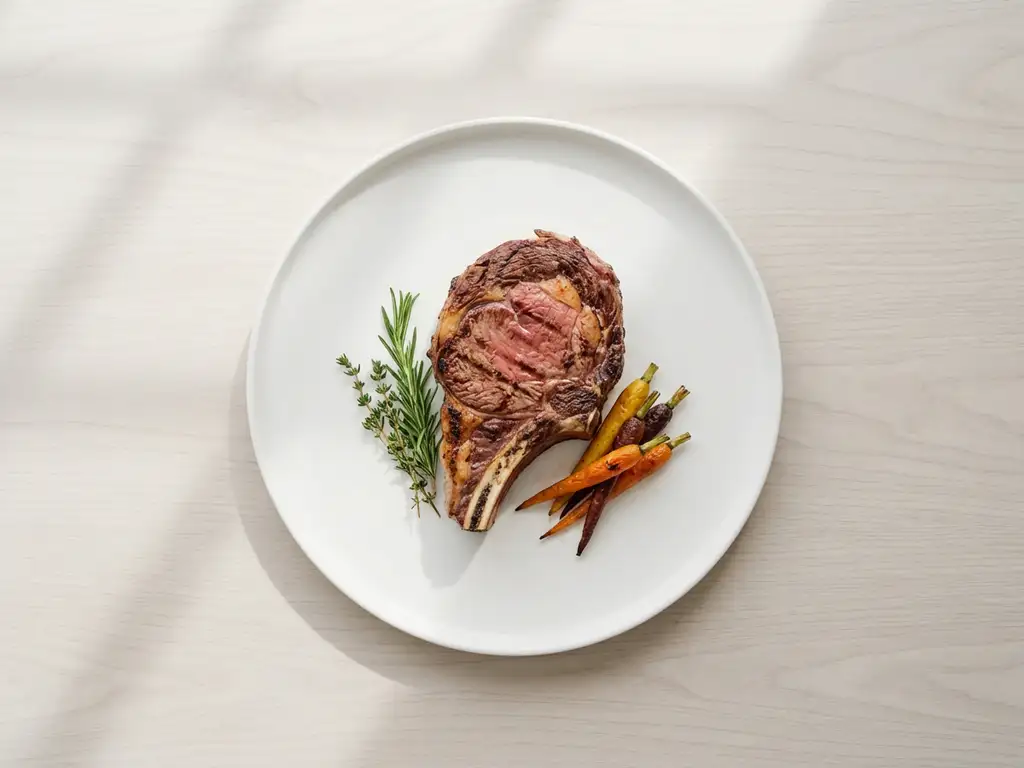
If you’re following a low-FODMAP diet to manage IBS symptoms, you might wonder whether steak fits into your meal plan. The good news is that steak can be an excellent protein choice for low-FODMAP dieters when prepared correctly. Understanding which cuts work best and how to season them properly will help you enjoy delicious, gut-friendly meals without triggering digestive discomfort.
Many people on a low-FODMAP diet worry about protein options, but plain meat like steak is naturally free of FODMAPs. The key lies in choosing the right preparation methods and avoiding high-FODMAP ingredients that are often added during cooking or serving.
Is steak safe to eat on a low-FODMAP diet?
Yes, plain steak is completely safe to eat on a low-FODMAP diet. Fresh, unprocessed beef contains no FODMAPs, making it an ideal protein source for those managing IBS symptoms. Steak provides high-quality protein, iron, and B vitamins without contributing to digestive discomfort when prepared appropriately.
The safety of steak on a low-FODMAP diet depends entirely on how it’s prepared and what ingredients are added. While the meat itself poses no issues, marinades, rubs, and sauces commonly used with steak often contain high-FODMAP ingredients like garlic, onion, or certain spices. By keeping your preparation simple and using FODMAP-friendly seasonings, you can enjoy steak regularly as part of your low-FODMAP meal plan.
It’s worth noting that processed beef products like some sausages or pre-marinated steaks may contain added ingredients that could trigger symptoms. Always check labels and stick to fresh, plain cuts of beef to ensure you’re staying within low-FODMAP guidelines.
What cuts of steak are best for low-FODMAP dieters?
All fresh, unprocessed cuts of steak are equally suitable for a low-FODMAP diet, including ribeye, sirloin, filet mignon, strip steak, and flank steak. The choice between cuts should be based on your personal preferences for taste, texture, and budget rather than FODMAP content.
Lean cuts like sirloin or filet mignon may be easier to digest for some people with sensitive stomachs, as they contain less fat. However, fattier cuts like ribeye are still perfectly acceptable on a low-FODMAP diet and can provide more flavor and tenderness. The key is choosing fresh, high-quality meat from a reputable source.
When selecting steak, avoid pre-seasoned or marinated options from the grocery store, as these often contain garlic powder, onion powder, or other high-FODMAP ingredients. Instead, opt for plain cuts that you can season yourself using FODMAP-friendly ingredients.
How should you prepare steak on a low-FODMAP diet?
The best preparation methods for steak on a low-FODMAP diet include grilling, pan-searing, broiling, or roasting with simple seasonings. Cook the steak to your desired doneness using basic techniques that don’t require high-FODMAP ingredients like garlic or onion-based marinades.
Start by bringing your steak to room temperature about 30 minutes before cooking. Pat it dry with paper towels and season with salt, pepper, and other FODMAP-friendly herbs and spices. For pan-searing, heat a cast-iron or heavy skillet over medium-high heat with a small amount of oil. Cook the steak for 3 to 4 minutes per side for medium-rare, adjusting the time based on thickness and your preferred doneness.
Grilling works equally well and can add extra flavor without requiring problematic ingredients. Preheat your grill to medium-high heat and cook the steak directly over the heat source. Let the meat rest for 5 to 10 minutes after cooking to allow the juices to redistribute, ensuring a tender and flavorful result.
What seasonings can you use on steak while following low-FODMAP guidelines?
Safe seasonings for steak on a low-FODMAP diet include salt, black pepper, fresh herbs like rosemary and thyme, paprika, cumin, and chili powder. These ingredients add flavor without containing FODMAPs that could trigger digestive symptoms.
Fresh herbs are particularly excellent for steak preparation. Rosemary, thyme, oregano, and basil all pair beautifully with beef and are completely FODMAP-free. You can create herb rubs by mixing chopped fresh herbs with salt, pepper, and a small amount of olive oil. Dried herbs work well too, but check that they don’t contain garlic or onion powder as additives.
Spices like paprika, cumin, coriander, and chili powder can add warmth and depth to your steak without causing issues. However, avoid spice blends or seasoning mixes, as these frequently contain garlic powder, onion powder, or other high-FODMAP ingredients. Stick to single-ingredient spices to maintain control over your FODMAP intake.
How much steak can you eat on a low-FODMAP diet?
There is no specific limit on steak consumption on a low-FODMAP diet, as plain beef contains no FODMAPs. You can eat steak in portions that align with your overall nutritional needs and personal preferences, typically 3 to 6 ounces per serving for most adults.
While steak itself doesn’t contribute to FODMAP load, portion sizes should still be reasonable as part of a balanced diet. A typical serving of 4 to 5 ounces provides adequate protein for most people and pairs well with low-FODMAP vegetables and grains to create a complete meal.
Consider your individual tolerance and digestive comfort when determining portion sizes. Some people with IBS may find that very large portions of any food, including steak, can cause discomfort simply due to the volume of food rather than FODMAP content. Listen to your body and adjust portions accordingly.
What should you avoid when eating steak on a low-FODMAP diet?
Avoid garlic, onion, certain marinades, barbecue sauces, and seasoning blends when preparing steak on a low-FODMAP diet. These common steak accompaniments often contain high-FODMAP ingredients that can trigger IBS symptoms even in small amounts.
Many commercial steak sauces and marinades contain garlic and onion as primary ingredients. Worcestershire sauce, teriyaki sauce, and most barbecue sauces are typically high in FODMAPs. Similarly, pre-made seasoning rubs often include garlic powder and onion powder, making them unsuitable for a low-FODMAP diet.
Be cautious with side dishes commonly served with steak. Mashed potatoes made with garlic, onion rings, and certain vegetable sides may contain high-FODMAP ingredients. Instead, pair your steak with low-FODMAP vegetables like carrots, green beans, or zucchini, and simple starches like plain rice or potatoes prepared without problematic seasonings.
This recipe is for informational purposes only and is not medical or dietary advice. Please consult a healthcare professional before making any changes to your diet.
Related Articles
- Lactose-Free Strawberry Protein Shake
- Is toast better than bread for IBS?
- What naturally kills bad bacteria in the gut?
- Maple Walnut Overnight Oats
- Blueberry Walnut Breakfast Bars