
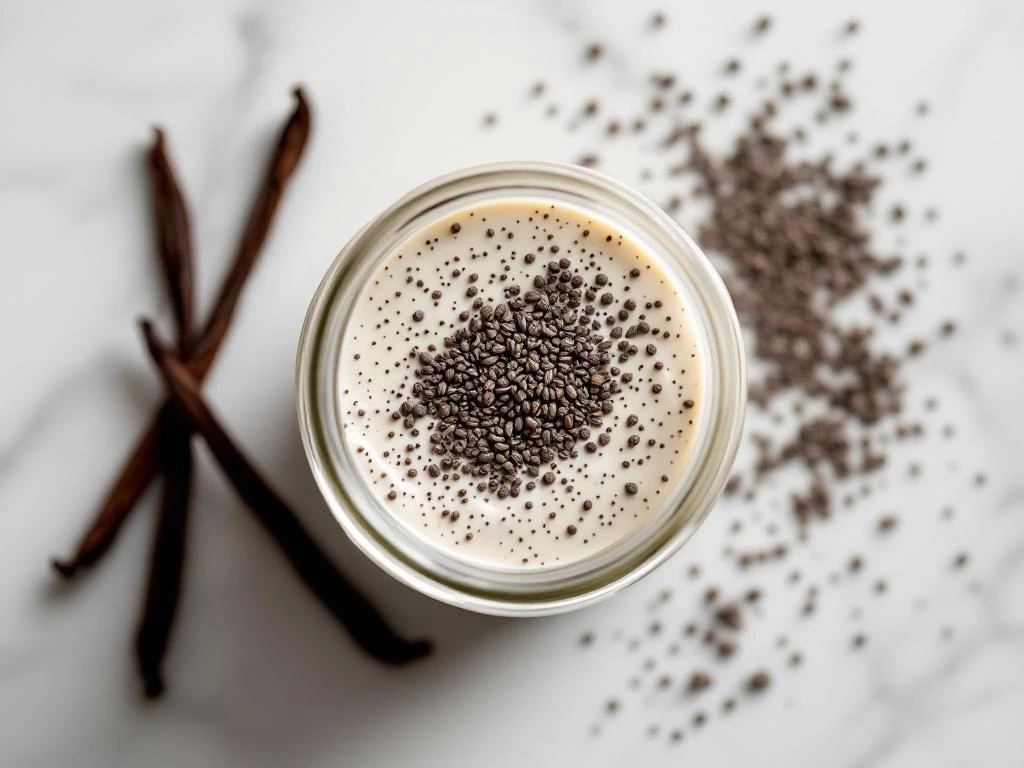
Finding an IBS-friendly breakfast that’s gentle on your stomach yet satisfying can feel challenging. This lactose-free vanilla chia pudding recipe gives you a delicious, nutritious option that works perfectly for sensitive digestion. You’ll mix just a few simple ingredients and let time do the work while you sleep or go about your day.
This recipe is beginner-friendly and takes only 5 minutes of active preparation. The pudding needs at least 2 hours to set, though overnight works best. You’ll need basic kitchen tools you probably already have: a mixing bowl, a whisk or spoon, and containers for storage. The ingredients are straightforward and FODMAP-compliant, making this an ideal choice for anyone managing IBS symptoms or following a low FODMAP diet.
Why chia pudding works for sensitive stomachs
Chia seeds offer remarkable digestive benefits for people with IBS and food sensitivities. These tiny seeds contain soluble fibre that forms a gel when mixed with liquid, creating a soothing texture that’s gentle on your digestive system. Unlike some high-fibre foods that can trigger symptoms, chia seeds are generally well-tolerated when introduced gradually.
The nutritional profile of this lactose-free chia pudding supports your overall gut health. Each serving provides omega-3 fatty acids that help reduce inflammation in your digestive tract. You’ll also get plant-based protein that keeps you satisfied without the heaviness that sometimes comes with dairy-based breakfasts. The combination of protein, healthy fats, and fibre means steady energy throughout your morning rather than blood sugar spikes and crashes.
This low FODMAP chia pudding works particularly well because chia seeds themselves are low in FODMAPs, even in larger portions. When you use lactose-free milk alternatives and avoid high-FODMAP sweeteners, you create a breakfast that supports your digestive comfort. The sustained energy from this pudding comes from its balanced macronutrients, helping you feel full for hours without triggering IBS symptoms.
What you need for lactose-free vanilla chia pudding
The ingredient list for this dairy-free chia pudding is refreshingly short. You’ll need chia seeds as your base ingredient, which you can find in most supermarkets or health food shops. Choose lactose-free milk alternatives such as almond milk (check it’s pure without high-FODMAP additives), coconut milk from a carton, or lactose-free dairy milk if you prefer a creamier taste. Pure vanilla extract adds flavour without FODMAPs, whilst optional low-FODMAP sweeteners include maple syrup in small amounts or a suitable sugar substitute.
Your kitchen tools couldn’t be simpler. Grab a medium mixing bowl, a whisk or sturdy spoon for stirring, and glass jars or containers with lids for storage. Mason jars work beautifully if you’re preparing multiple servings, making this IBS-friendly breakfast perfect for meal prep. A measuring cup helps you get the ratios right, though you’ll quickly learn to eyeball the proportions after making this recipe a few times.
Ingredient substitutions give you flexibility based on your specific tolerances and preferences. Swap almond milk for coconut milk if you prefer a richer texture. Use lactose-free dairy milk for a taste closer to traditional pudding. If vanilla isn’t your favourite, try a small amount of cocoa powder for chocolate chia pudding, or add cinnamon for warmth. The beauty of this gluten-free chia pudding lies in its adaptability to your needs.
Prepare your chia pudding base in 5 minutes
Start with the proper ratio to achieve perfect texture: mix 3 tablespoons of chia seeds with 240ml (1 cup) of your chosen lactose-free milk. This 1:4 ratio creates a pudding that’s thick and creamy without being gluey. Pour your milk into the mixing bowl first, then add the chia seeds. This order helps prevent clumping when you start stirring.
Add half a teaspoon of vanilla extract and your sweetener of choice at this stage. One to two teaspoons of maple syrup works well for most people following a low FODMAP diet, though you can adjust to taste. Whisk everything together vigorously for about 30 seconds. You want every chia seed coated with liquid to ensure even absorption and prevent those frustrating clumps that sometimes form.
Let the mixture sit for 5 minutes after your initial whisking. The chia seeds will start absorbing liquid and settling to the bottom of your bowl. After 5 minutes, whisk again thoroughly for another 30 seconds. This second mixing is crucial for creating that smooth, even consistency that makes this easy chia pudding so enjoyable. The seeds should be evenly distributed throughout the liquid rather than clumped together at the bottom.
Set and store your pudding for perfect texture
Transfer your whisked mixture into your storage containers and place them in the refrigerator. The minimum setting time is 2 hours, which gives you a slightly softer pudding that’s still perfectly edible. For the best texture, though, refrigerate overnight. The extended time allows the chia seeds to fully absorb the liquid and develop that classic pudding consistency.
Check your pudding after about an hour and give it one more stir. This halfway mixing prevents the chia seeds from settling too much at the bottom and creates a more uniform texture throughout. Simply use a spoon to stir from the bottom up, redistributing any seeds that have sunk. After this final stir, let the pudding set undisturbed until you’re ready to eat.
This healthy chia seed pudding stores beautifully for meal prep. Sealed containers keep fresh in the refrigerator for up to 5 days, making it perfect for batch preparation. Prepare three or four servings on Sunday evening and you’ve sorted your weekday breakfasts. The pudding may thicken further as it sits, which is completely normal. If it becomes too thick for your liking, stir in a splash of lactose-free milk before serving.
Customise your chia pudding with FODMAP-safe toppings
Fresh berries make excellent toppings for your FODMAP-friendly snack. Strawberries and blueberries are both low FODMAP in standard serving sizes, adding natural sweetness and antioxidants. A small handful (about 40g of strawberries or 60g of blueberries) keeps you within safe limits whilst providing colour and flavour. Raspberries also work well in portions of 60g or less.
Nuts and seeds add satisfying crunch to your creamy pudding. Walnuts (up to 10 halves), pumpkin seeds (2 tablespoons), and a sprinkle of coconut flakes all stay within FODMAP guidelines. These toppings boost the protein and healthy fat content even further, making your breakfast more filling. Toast your nuts lightly in a dry pan for extra flavour if you have a few minutes.
Flavour variations transform this basic recipe into different treats throughout the week. Mix in a teaspoon of cocoa powder before setting for chocolate pudding. Add a quarter teaspoon of cinnamon for warmth. Drizzle a small amount of maple syrup over the top just before eating. You can even layer your pudding with safe fruits in a glass for an attractive presentation. The versatility of this lactose-free dessert means you won’t get bored eating it regularly.
Troubleshoot common chia pudding texture issues
Pudding too thick? Add lactose-free milk one tablespoon at a time and stir well. The pudding absorbs liquid as it sits, so what seemed perfect yesterday might feel too dense today. You can thin it out anytime by stirring in more liquid. The texture should be spoonable but not stiff, similar to a thick yoghurt.
If your pudding turns out too runny, you likely used too much liquid or didn’t let it set long enough. Give it more time in the refrigerator, at least another hour or two. For future batches, reduce your milk slightly or add an extra half tablespoon of chia seeds. The pudding will continue thickening over time, so what seems thin after 2 hours often reaches perfect consistency by morning.
Clumpy texture happens when the chia seeds stick together instead of distributing evenly. This usually means you didn’t whisk thoroughly enough or skipped the second mixing after 5 minutes. To fix clumpy pudding, transfer it to a blender and pulse a few times. This breaks up the clumps whilst maintaining the pudding texture. For your next batch, remember that vigorous whisking at the start prevents this problem entirely.
Bland flavour means you need more vanilla extract or sweetener. Chia seeds have a neutral taste, so the pudding relies on your added flavourings. Start conservative with sweeteners to keep it low FODMAP, then adjust upward to suit your preferences. A pinch of salt can also enhance the vanilla flavour without adding sweetness. Taste your mixture before refrigerating so you can adjust the flavouring whilst it’s still easy to stir.
You’ve now mastered a simple, nutritious breakfast that supports your digestive health without sacrificing taste or satisfaction. This vanilla chia pudding recipe gives you a reliable option for busy mornings when you need something gentle on your stomach but substantial enough to keep you going. The make-ahead nature means you can prepare it when you have energy and enjoy it when you need convenience.
The techniques you’ve learnt here work for countless variations beyond vanilla. Try different lactose-free milk alternatives to find your favourite base. Experiment with FODMAP-safe flavourings and toppings to create new combinations. This pudding works equally well as breakfast, a snack, or even a light dessert when you want something sweet but stomach-friendly.
We encourage you to explore more low FODMAP recipes on our site that make managing IBS through diet feel less restrictive and more enjoyable. Your digestive health matters, and having a collection of reliable, tasty recipes makes the low FODMAP journey much easier to sustain long-term.
Lactose-free vanilla chia pudding
Preparation time: 5 minutes (plus 2 hours or overnight setting) | Portions: 1 serving
Ingredients:
- 3 tablespoons chia seeds
- 240ml (1 cup) lactose-free milk (almond, coconut, or lactose-free dairy)
- ½ teaspoon vanilla extract
- 1-2 teaspoons maple syrup (or low FODMAP sweetener to taste)
- Optional toppings: fresh berries, nuts, seeds, coconut flakes
Instructions:
- Pour lactose-free milk into a mixing bowl
- Add chia seeds, vanilla extract, and sweetener
- Whisk vigorously for 30 seconds until well combined
- Let sit for 5 minutes, then whisk again for 30 seconds
- Transfer to storage container and refrigerate for at least 2 hours (overnight is best)
- Stir once after the first hour for even texture
- Top with FODMAP-safe toppings before serving
- Store in refrigerator for up to 5 days
This recipe is for informational purposes only and is not medical or dietary advice. Please consult a healthcare professional before making any changes to your diet.
Related Articles
- What three foods make IBS worse?
- Which brand of sourdough bread is low FODMAP?
- Rice Porridge with Maple Syrup
- Coconut Flour Crepes with Strawberries
- Blueberry Quinoa Porridge