
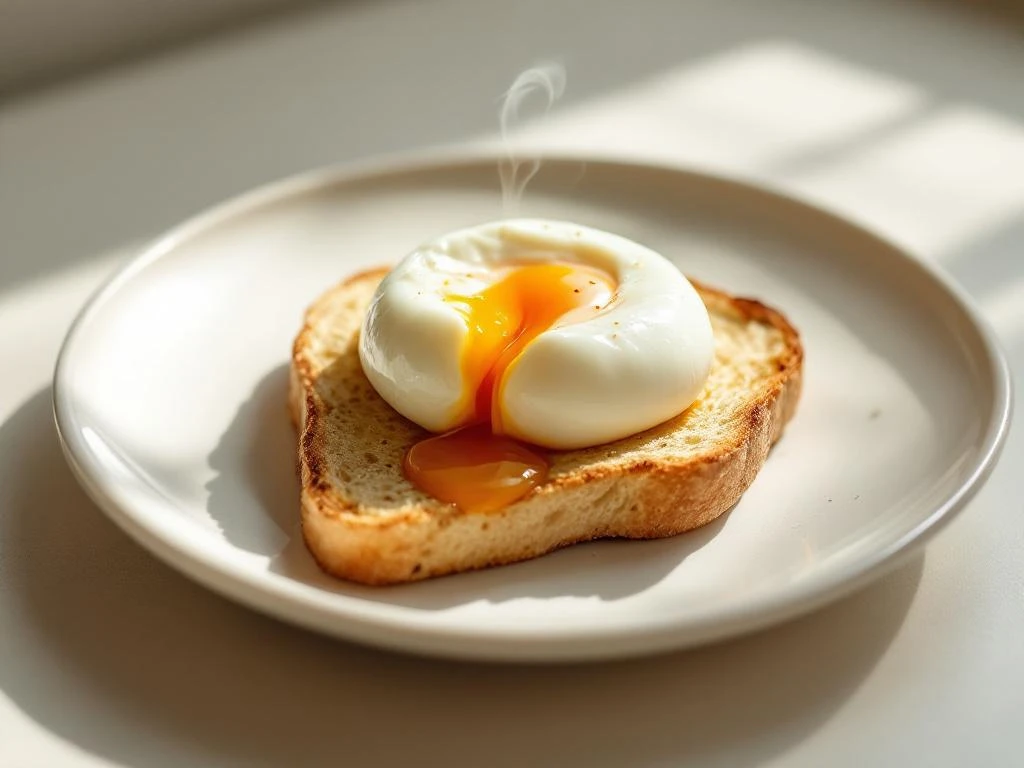
Poached eggs on gluten-free toast delivers a satisfying, IBS-friendly breakfast that’s gentle on your digestive system. This classic combination provides protein-rich nourishment without triggering uncomfortable symptoms. The technique takes about 15 minutes once you know the steps, making it perfect for busy mornings when you need sustained energy.
This guide suits beginners with basic cooking skills. You’ll need fresh eggs, gluten-free bread, white vinegar, and simple kitchen tools you likely already own. The poaching technique might feel tricky at first, but we’ll break it down into manageable steps that build your confidence.
Why poached eggs make the perfect low FODMAP breakfast
Poached eggs offer exceptional digestibility for those managing IBS symptoms. The gentle cooking method preserves the protein structure while making it easier for your gut to process. Unlike fried eggs cooked in butter or oil, poached eggs contain no added fats that might irritate sensitive stomachs.
Each egg provides roughly 6 grams of high-quality protein, supporting steady energy levels throughout your morning. The protein content helps stabilise blood sugar, preventing the energy crashes that can worsen digestive discomfort. Poached eggs also contain B vitamins and selenium, nutrients that support overall gut health.
The low FODMAP breakfast combination works because both eggs and properly selected gluten-free bread sit comfortably within FODMAP limits. This meal provides lasting satiety without the bloating, gas, or cramping that high FODMAP breakfast options might trigger. The simplicity of ingredients makes it easy to identify any potential triggers if symptoms do occur.
Gather your ingredients and tools
Start with the freshest eggs possible. Fresh eggs hold their shape better during poaching, creating those picture-perfect results. You’ll need 2 eggs per serving for a satisfying portion.
Essential ingredients:
- 2 fresh eggs
- 2 slices of certified gluten-free bread
- 1 tablespoon white vinegar
- Water for poaching
- Salt and pepper to taste
- Optional: fresh chives, spinach, or lactose-free butter
Required kitchen tools:
- Medium saucepan (at least 8cm deep)
- Slotted spoon
- Small bowl for cracking eggs
- Timer or phone
- Toaster
- Paper towels
Check your gluten-free bread packaging for FODMAP certification. Some gluten-free breads contain high FODMAP ingredients like honey, inulin, or certain grain combinations. Plain sourdough spelt bread (if tolerated) or rice-based gluten-free bread typically works well during the low FODMAP elimination phase.
Master the perfect poached egg technique
Fill your saucepan with water about 8cm deep. Bring it to a gentle simmer over medium heat. You’re looking for small bubbles forming on the bottom, not a rolling boil. Aggressive bubbling will break apart your eggs.
Add the white vinegar to the simmering water. The vinegar helps the egg whites set quickly, keeping everything together. Don’t worry about the vinegar taste as it won’t transfer to your eggs in noticeable amounts.
Crack one egg into your small bowl. This prevents shell fragments from ending up in your poaching water and gives you better control. Inspect for any shell pieces before proceeding.
Create a gentle whirlpool in the water using your slotted spoon. Stir in one direction to form a circular current. This motion helps wrap the egg white around the yolk, creating a neat shape.
Lower the bowl close to the water surface and gently tip the egg into the centre of the whirlpool. The swirling water will pull the white around the yolk. Don’t drop it from a height or the egg will spread across the pan.
Set your timer for 3 minutes for a runny yolk with set whites. Add 30 seconds for a slightly firmer yolk, or go to 4 minutes for a jammy centre. The whites should look opaque and feel firm when gently touched with your spoon.
Lift the egg out with your slotted spoon. Let excess water drain back into the pan. Place the egg on a paper towel for a few seconds to remove remaining water that would make your toast soggy.
Repeat the process for your second egg. You can poach two eggs simultaneously if your pan is large enough, just keep them separated in the water.
Prepare your gluten-free toast base
Start toasting your bread when you begin heating the poaching water. Gluten-free bread toasts faster than wheat bread, so watch it carefully to prevent burning. You want a golden-brown colour with a crispy surface that will support the egg without becoming soggy.
Most gluten-free breads benefit from a medium-high toaster setting. Test one slice if you’re using a new brand, as density varies significantly between products. Rice-based breads typically need less time than those made with multiple grain flours.
Keep your finished toast warm by placing it on a plate in a low oven (around 80°C) while you finish poaching. Alternatively, toast the bread right as your eggs finish cooking. The timing should align so everything comes together hot.
Spread a thin layer of lactose-free butter or olive oil on the toast if desired. This adds flavour and creates a slight moisture barrier. Skip this step if you prefer to keep the meal as simple as possible or if added fats don’t agree with your system.
What are common poached egg mistakes to avoid?
Eggs spreading in the water: This happens when the water is too hot or the eggs aren’t fresh enough. Reduce heat to maintain a gentle simmer, not a boil. Older eggs have thinner whites that spread more easily, so freshness matters significantly for poached eggs.
Overcooked, rubbery yolks: Leaving eggs in too long creates a chalky, dry yolk texture. Stick to the 3-minute guideline and remove eggs promptly. Remember that carryover cooking continues for about 30 seconds after removal, so slightly underdone is better than overdone.
Undercooked, runny whites: The whites need to reach 63°C to set properly. If your whites remain translucent or slimy, your water isn’t hot enough. Increase heat slightly and ensure you see those small bubbles forming consistently.
Strong vinegar taste: Using too much vinegar can affect flavour. One tablespoon per litre of water is sufficient. White vinegar works better than apple cider vinegar because it has a milder taste that doesn’t transfer to the eggs.
Timing coordination problems: Getting everything ready simultaneously takes practice. Prepare your toast plate and toppings before you start poaching. This way, you can assemble immediately when the eggs are ready, keeping everything at the right temperature.
Customise with low FODMAP toppings and variations
Fresh herbs add flavour without FODMAPs. Chives, parsley, and basil all work beautifully with poached eggs. Chop them finely and sprinkle over the finished dish. Start with a teaspoon and adjust to your taste preferences.
Spinach provides extra nutrients and pairs naturally with eggs. Wilt a handful in a pan with a small amount of olive oil just before serving. Place the spinach on your toast, then top with the poached egg for a more substantial breakfast.
A small serving of smoked salmon (about 30g) adds omega-3 fats and creates a more filling meal. Check that your salmon is plain without high FODMAP marinades or seasonings. This combination works particularly well for weekend brunches.
Lactose-free cheese can be sprinkled on the warm toast before adding your egg. Stick to hard, aged cheeses like cheddar or parmesan, which are naturally lower in lactose. Keep portions to about 20g to stay within comfortable limits.
Season thoughtfully with salt, pepper, and paprika. Avoid garlic and onion powders, which are high FODMAP even in small amounts. Garlic-infused oil (where the garlic is removed) provides flavour without the FODMAPs if you miss that taste.
Cherry tomatoes (maximum 5 per serving) can be halved and placed alongside your toast. They’re low FODMAP in this quantity and add brightness to the plate. Avoid larger tomato portions, which can trigger symptoms in some people.
This simple, nourishing breakfast supports your digestive health while delivering the satisfaction of a proper cooked meal. The technique becomes quicker with practice, making perfect poached eggs part of your regular morning routine. You now have the knowledge to create an IBS-friendly breakfast that doesn’t compromise on taste or nutrition.
Poached eggs on gluten-free toast
Cooking time: 15 minutes | Portions: 1 serving
Ingredients:
- 2 fresh eggs
- 2 slices certified gluten-free bread
- 1 tablespoon white vinegar
- Water for poaching
- Salt and pepper to taste
Instructions:
- Fill a medium saucepan with 8cm of water and bring to a gentle simmer
- Add 1 tablespoon white vinegar to the water
- Crack each egg into a small bowl
- Create a gentle whirlpool in the water with a spoon
- Gently slide the egg into the centre of the whirlpool
- Cook for 3 minutes for runny yolks, 4 minutes for firmer yolks
- Remove with a slotted spoon and drain on paper towels
- Toast gluten-free bread until golden and crispy
- Place poached eggs on toast and season with salt and pepper
- Add optional toppings like fresh herbs, spinach, or lactose-free cheese
This recipe is for informational purposes only and is not medical or dietary advice. Please consult a healthcare professional before making any changes to your diet.
Related Articles
- Quinoa and Blueberry Pancakes
- What naturally kills bad bacteria in the gut?
- Coconut Yogurt Granola Parfait
- Is Greek yogurt safe on a low-FODMAP diet?
- How many poos a day is normal with IBS?