
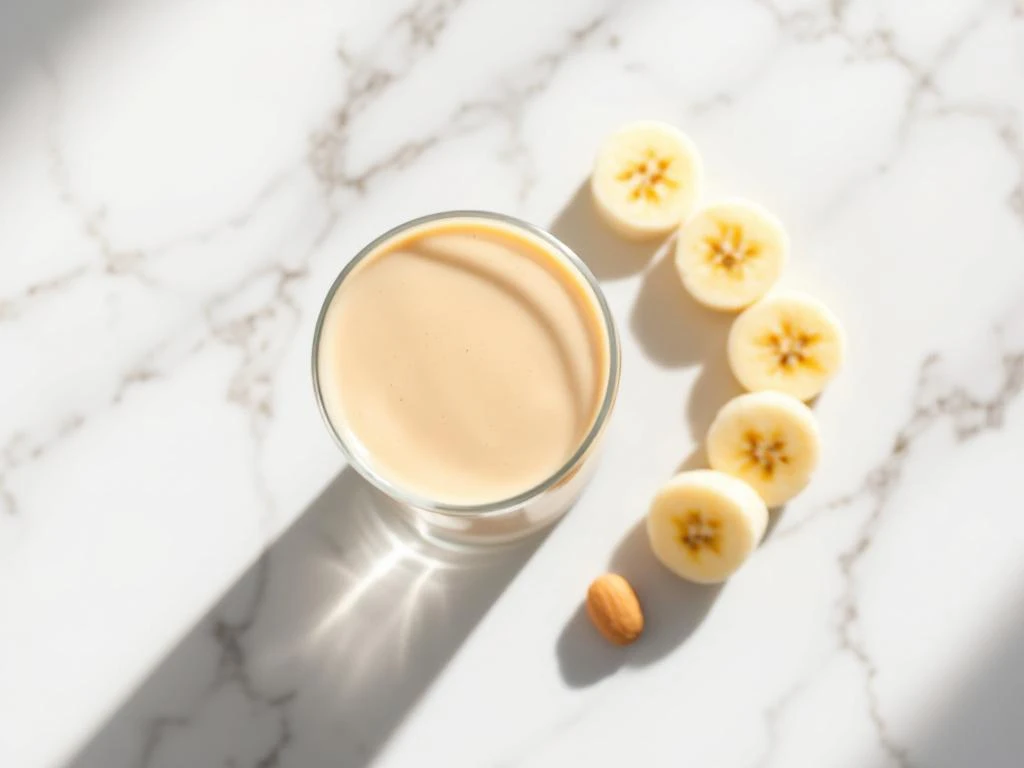
When your stomach feels sensitive, finding a healthy breakfast smoothie that won’t trigger symptoms can be challenging. This peanut butter banana smoothie is designed specifically for people following a low FODMAP diet. It combines gut-friendly ingredients in portions that support digestive health whilst delivering delicious flavour and lasting energy.
This recipe is beginner-friendly and takes just 5 minutes to prepare. You’ll need a blender, measuring cups, and a few simple ingredients that are easy to find. By the end, you’ll have a creamy, satisfying smoothie that’s safe for IBS management and tastes wonderful.
Why this smoothie works for sensitive stomachs
Bananas and peanut butter are both naturally low FODMAP when consumed in the right portions. A firm, unripe banana (up to one medium banana) contains lower levels of fructose and is well-tolerated by most people with IBS. As bananas ripen, their FODMAP content increases, so choosing firmer bananas helps keep this smoothie gut-friendly.
Peanut butter is low FODMAP in servings up to 2 tablespoons. It provides healthy fats and protein that slow digestion, helping you feel satisfied longer without causing digestive upset. The combination of protein and carbohydrates makes this peanut butter smoothie an ideal low FODMAP breakfast option that stabilises blood sugar and supports energy levels throughout the morning.
This banana smoothie recipe uses lactose-free milk alternatives instead of regular dairy, which eliminates a common IBS trigger. The smooth, creamy texture is gentle on the digestive system, and the ingredients blend together without creating gas or bloating. This makes it a reliable choice when you need a quick, nourishing meal that won’t leave you uncomfortable.
Gather your low FODMAP smoothie ingredients
For one serving of this IBS friendly smoothie, you’ll need the following ingredients measured carefully to maintain low FODMAP status:
- 1 medium firm banana (approximately 100g, not overripe)
- 2 tablespoons natural peanut butter (32g, check label for no added high FODMAP ingredients)
- 200ml lactose-free milk (or almond milk, which is low FODMAP up to 250ml)
- 1/2 cup ice cubes (optional, for thickness and chill)
- 1 teaspoon maple syrup (optional, for extra sweetness)
For milk alternatives, lactose-free cow’s milk works beautifully and provides extra protein. Almond milk (not almond meal) is naturally low FODMAP and creates a lighter texture. Avoid coconut milk in large quantities, as it can be high FODMAP above 125ml. Rice milk is another safe option that adds subtle sweetness to your healthy breakfast smoothie.
Optional low FODMAP add-ins include a tablespoon of chia seeds (up to 2 tablespoons), a scoop of low FODMAP protein powder (check ingredients carefully), or a handful of spinach (which is low FODMAP and adds nutrients without affecting taste). If you need to avoid peanuts, try almond butter or macadamia butter in the same portion size.
Blend your peanut butter banana smoothie
Start by adding your liquid first. Pour the lactose-free milk into your blender. This prevents the peanut butter from sticking to the bottom and ensures smoother blending. Next, break the banana into chunks and add them to the blender. Smaller pieces blend faster and create a creamier texture.
Add the peanut butter on top of the banana pieces. If your peanut butter is very thick, you can warm it slightly in the microwave for 10 seconds to make blending easier. Drop in your ice cubes if you’re using them. Ice makes the smoothie thicker and more refreshing, but you can skip it if you prefer a thinner consistency.
Blend on high speed for 30 to 45 seconds. Stop and check the texture. The smoothie should be completely smooth with no banana chunks remaining. If it’s too thick, add a splash more milk (25ml at a time) and blend again. If it’s too thin, add a few more ice cubes or an extra tablespoon of peanut butter. The perfect consistency should coat the back of a spoon but still pour easily.
Pour immediately into a glass and enjoy. This gluten free smoothie is best consumed fresh, as the banana can oxidise and the mixture may separate if left sitting. If you need to wait, give it a quick stir before drinking.
Customise your smoothie for variety
Transform this basic peanut butter banana smoothie into different flavours whilst keeping it gut-friendly. Add a teaspoon of cocoa powder (which is low FODMAP) for a chocolate version. The cocoa pairs beautifully with peanut butter and adds antioxidants without triggering symptoms. Mix in a quarter teaspoon of cinnamon for warmth and natural sweetness that may also help with blood sugar control.
Boost the protein content by adding a scoop of low FODMAP protein powder. Look for options made from rice protein, pea protein isolate, or whey protein isolate (not concentrate, which contains lactose). This turns your lactose free smoothie into a more substantial meal replacement that keeps you fuller longer.
For extra nutrition, blend in a tablespoon of chia seeds or ground flaxseed. Both are low FODMAP in these portions and add omega-3 fatty acids plus fibre that supports digestive health. A handful of fresh spinach (about 30g) adds vitamins without changing the taste. The banana and peanut butter flavours are strong enough to mask any green taste completely.
Adjust the thickness to your preference by changing the ice amount or milk quantity. For a thicker, spoonable smoothie bowl, use frozen banana chunks instead of fresh and reduce the milk to 150ml. For a thinner drinking consistency, increase the milk to 250ml and skip the ice entirely.
Common smoothie mistakes to avoid
The biggest mistake is using overripe bananas, which have higher FODMAP content. Stick with firm, slightly green bananas to keep this recipe IBS-friendly. If your bananas are getting too ripe, peel them and freeze them in chunks. Freezing doesn’t increase FODMAP content and gives you a thicker, colder smoothie.
Watch your portion sizes carefully. More than 2 tablespoons of peanut butter or more than one medium banana can push this smoothie into high FODMAP territory. Measure your ingredients rather than estimating, especially when you’re first starting the low FODMAP diet. Portion control is essential for maintaining the gut-friendly properties of this recipe.
Avoid adding high FODMAP fruits like apples, pears, mangoes, or watermelon. These will trigger symptoms even in small amounts. Stick with low FODMAP options like strawberries (up to 5 medium berries) or blueberries (up to 20 berries) if you want to add variety. Don’t use honey as a sweetener, as it’s high FODMAP. Choose maple syrup or a small amount of table sugar instead.
If your smoothie separates after sitting, this is normal. The banana solids settle whilst the liquid rises. Simply stir or shake before drinking. To prevent overly thick consistency, don’t pack your measuring cups when adding peanut butter. Scrape it in loosely. If the smoothie is too thick to blend properly, add liquid gradually rather than forcing your blender to work harder, which can burn out the motor.
This low FODMAP smoothie is a reliable breakfast option that supports digestive health whilst providing balanced nutrition. The combination of protein, healthy fats, and carbohydrates keeps you energised without causing discomfort. Once you master the basic recipe, you can experiment with the suggested variations to keep your morning routine interesting.
Making this peanut butter smoothie part of your regular routine gives you a quick, delicious option for busy mornings. The ingredients are affordable and easy to keep on hand. You’ll always have a safe breakfast choice that tastes great and supports your digestive wellness goals.
Peanut butter banana smoothie
Cooking time: 5 minutes | Portions: 1 serving
- Add 200ml lactose-free milk to blender
- Break 1 medium firm banana into chunks and add to blender
- Add 2 tablespoons natural peanut butter
- Add 1/2 cup ice cubes (optional)
- Add 1 teaspoon maple syrup if desired
- Blend on high for 30 to 45 seconds until smooth
- Check consistency and adjust with more milk or ice as needed
- Pour into glass and serve immediately
This recipe is for informational purposes only and is not medical or dietary advice. Please consult a healthcare professional before making any changes to your diet.
Related Articles
- Gluten-Free English Muffin with Jam
- Buckwheat Pancakes with Blueberry Compote
- Can I eat sourdough on a low FODMAP diet?
- Bacon and Tomato Egg Bake
- Gluten-Free Pumpkin Walnut Bread