
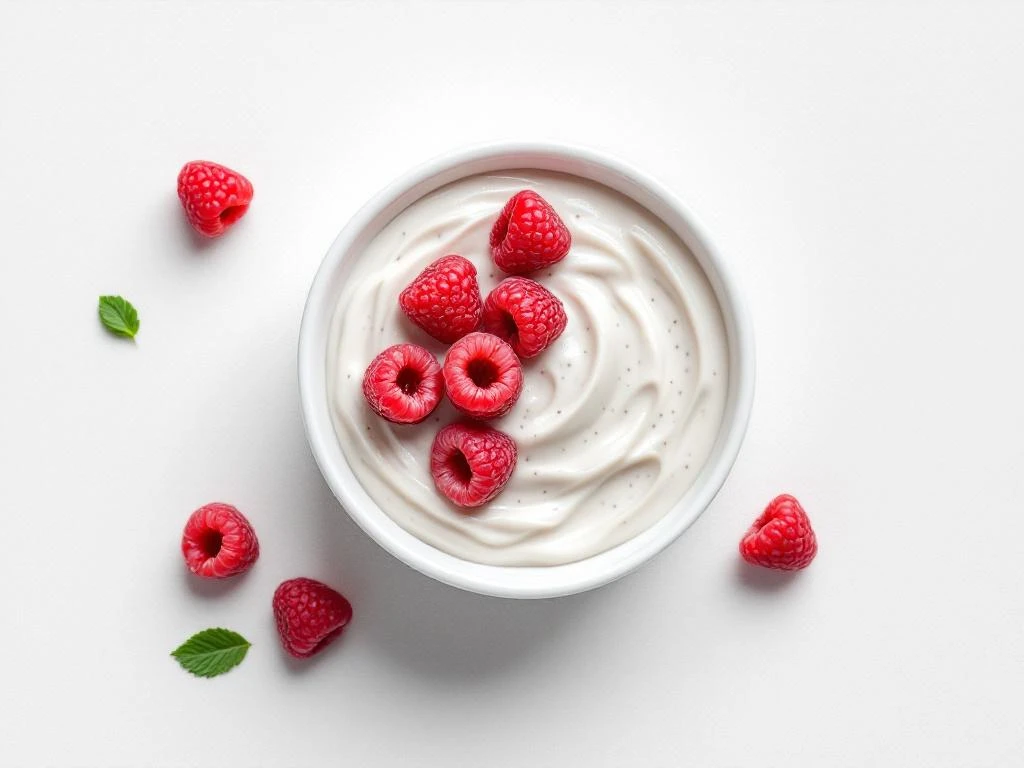
Waking up with digestive discomfort can ruin your entire morning. If you have IBS and follow a low FODMAP diet, finding a breakfast that’s both satisfying and gut-friendly feels challenging. This raspberry chia pudding recipe solves that problem with simple ingredients that support your digestive health whilst providing lasting energy.
This guide is perfect for beginners with no cooking experience required. You’ll need about 10 minutes of active preparation time, plus overnight refrigeration for best results. The pudding stays fresh for up to five days, making it an ideal meal prep option for busy mornings.
You’ll need chia seeds, a lactose-free milk alternative, fresh or frozen raspberries, and basic kitchen containers. Optional sweeteners and toppings let you customise the flavour whilst staying within FODMAP limits. By following these steps, you’ll create a healthy breakfast pudding that won’t trigger IBS symptoms.
Why raspberry chia pudding works for IBS
Chia seeds are naturally low FODMAP in servings up to two tablespoons. They contain soluble fibre that absorbs liquid and forms a gel-like consistency in your digestive system. This gentle fibre helps regulate bowel movements without causing the bloating or gas that high FODMAP foods trigger.
Raspberries fit within low FODMAP guidelines when you stick to a serving size of about 60 grams, roughly 10 to 15 berries. They provide vitamin C, antioxidants, and natural sweetness without excess fructose. Unlike high FODMAP fruits such as apples or pears, raspberries won’t ferment in your gut and cause discomfort.
The combination creates a FODMAP friendly breakfast that delivers sustained energy throughout your morning. Chia seeds provide protein and omega-3 fatty acids, which help stabilise blood sugar levels. This prevents the energy crashes that come from high-sugar breakfast options. The pudding’s creamy texture feels indulgent whilst remaining completely IBS friendly, making it easier to stick with your dietary restrictions long term.
Gather your low FODMAP ingredients
Start with three tablespoons of chia seeds per serving. Look for organic chia seeds when possible, though standard varieties work perfectly well. You’ll find them in most supermarkets near the health food section or with baking supplies.
Choose 240 millilitres of lactose-free milk alternative for each serving. Almond milk works brilliantly for this easy chia pudding recipe, but make sure it’s made from almonds only, as some brands add high FODMAP ingredients. Coconut milk from a carton (not tinned) provides a richer flavour. Rice milk offers a neutral taste if you prefer something mild. Always check labels for added sweeteners like honey or agave, which are high FODMAP.
Measure 60 grams of fresh or frozen raspberries per serving. Frozen raspberries are more economical and work just as well as fresh ones. If using frozen, there’s no need to thaw them before adding to your pudding.
Optional additions include:
- One teaspoon of maple syrup (pure, not pancake syrup)
- Half a teaspoon of vanilla extract
- A pinch of salt to enhance flavours
- One teaspoon of cocoa powder for a chocolate variation
Shopping tip: Look for certified low FODMAP products when available. Monash University and other organisations certify foods that meet strict FODMAP standards. These products display certification logos on their packaging, removing guesswork from your shopping.
Prepare your raspberry chia pudding base
Pour your lactose-free milk into a jar or container with a tight-fitting lid. Glass jars work best because you can see the pudding forming, but any sealed container works fine. Add the three tablespoons of chia seeds to the milk.
Seal the container and shake vigorously for 30 seconds. This initial mixing prevents clumps from forming. The chia seeds need to separate and distribute evenly throughout the liquid. Open the container and stir with a spoon, scraping any seeds stuck to the bottom or sides.
Wait five minutes, then shake or stir again. This second mixing catches any seeds that started clumping together. Add your optional sweetener or vanilla extract at this stage if using them. Stir thoroughly to distribute the flavours.
Gently fold in your raspberries. If you want a smooth pudding, mash the raspberries with a fork before adding them. For texture and visual appeal, leave them whole or roughly chopped. The berries will release some juice as the pudding sits, creating natural pink swirls.
Place the container in your refrigerator. For overnight chia pudding, leave it for at least four hours or up to 12 hours. The chia seeds absorb the liquid and expand to about ten times their original size. If you’re in a hurry, the pudding becomes edible after two hours, though the texture won’t be quite as thick.
Success check: Your pudding should have a consistency similar to tapioca pudding or thick yoghurt. The chia seeds should be soft and gel-like, not crunchy. If you can still see dry seeds floating on top, it needs more time.
Customise with FODMAP-safe toppings
Transform your basic raspberry breakfast recipe with toppings that add nutrition and variety. Sprinkle one tablespoon of chopped walnuts or pecans on top. These nuts are low FODMAP in small servings and provide healthy fats plus a satisfying crunch.
Add a tablespoon of pumpkin seeds or sunflower seeds for extra protein. These seeds remain FODMAP friendly even in larger portions and add a nutty flavour that complements the raspberries nicely.
Layer in additional low FODMAP fruits for variety:
- 10 blueberries (about 30 grams)
- Half a small banana, sliced
- 8 strawberries, chopped (about 80 grams)
- Quarter cup of cantaloupe cubes
Remember that portion sizes matter with fruit. Eating too much of even low FODMAP fruits can trigger symptoms because the natural sugars accumulate. Stick to one additional fruit serving beyond the raspberries already in your pudding.
Drizzle half a teaspoon of peanut butter (smooth, not chunky) over the top for richness. Check that your peanut butter contains only peanuts and salt, as many brands add honey or other high FODMAP sweeteners. A light dusting of cinnamon adds warmth without any FODMAP concerns.
For a gluten free breakfast pudding with extra crunch, top with one tablespoon of gluten-free granola. Make sure the granola doesn’t contain dried fruits like raisins or dates, which are high FODMAP. Look for varieties made with oats, rice puffs, and maple syrup.
Troubleshoot common chia pudding issues
If your pudding turns out too thick, simply stir in more milk one tablespoon at a time until you reach your preferred consistency. The chia seeds continue absorbing liquid even after the initial setting period, so pudding often thickens more than expected overnight.
Pudding too thin and watery means you need more chia seeds or less liquid. For next time, add an extra tablespoon of seeds or reduce the milk by 50 millilitres. You can fix thin pudding by stirring in another tablespoon of chia seeds and refrigerating for two more hours.
Clumpy texture happens when the seeds stick together before they can absorb liquid. Prevention works better than fixing this problem. Always shake or stir twice during the first ten minutes of preparation. If you already have clumps, break them up with a fork and add a splash more milk to help separate the seeds.
Bland flavour suggests you need more sweetener or vanilla extract. Add maple syrup in small amounts, tasting as you go. Remember that the raspberries add natural sweetness as they break down, so wait until after refrigeration to judge the final flavour. A tiny pinch of salt enhances all the other flavours without making the pudding taste salty.
Separated pudding with liquid pooling on top occurs when you don’t mix thoroughly enough. Stir the pudding before eating to reincorporate any separated liquid. This doesn’t affect the taste or nutrition, just the appearance.
Crunchy seeds mean the pudding hasn’t set long enough. Chia seeds need time to fully hydrate and soften. Return the pudding to the refrigerator for another hour or two. Very old chia seeds sometimes stay slightly crunchy, so check the date on your package.
Store and meal prep for the week
This healthy breakfast pudding stays fresh in the refrigerator for up to five days when stored properly. Prepare multiple servings on Sunday evening for ready-made breakfasts throughout the work week. Use individual glass jars or containers with tight lids to keep each serving separate and portable.
Store the pudding base and toppings separately for best results. The base (chia seeds, milk, and raspberries) maintains its texture well, but nuts and seeds become soggy if added too early. Keep toppings in small containers or bags and add them just before eating.
Label each container with the preparation date. Whilst the pudding remains safe to eat for five days, the raspberries taste freshest within the first three days. After that, they become softer and release more juice, which some people prefer.
Batch preparation tips for efficiency:
- Mix a large batch in a bowl, then divide into individual containers
- Prepare five jars at once using an assembly line method
- Double or triple the recipe measurements rather than making one serving at a time
- Pre-portion toppings into small bags for grab-and-go convenience
Avoid freezing chia pudding. The texture becomes grainy and unpleasant after thawing. The pudding separates and never quite returns to its creamy consistency. Stick with refrigeration for maintaining quality.
Transport your pudding to work in an insulated lunch bag with an ice pack. The pudding stays safe at room temperature for about two hours, but keeping it cold preserves the texture and freshness. Many people enjoy eating it cold straight from the refrigerator, though you can let it sit at room temperature for 10 minutes if you prefer a less chilled breakfast.
Check your pudding before eating. If you notice any off smells, mould, or unusual discolouration, discard it. Properly stored pudding should smell fresh and fruity with no sour notes.
You’ve now mastered creating a nutritious, IBS-friendly breakfast that requires minimal morning effort. This low FODMAP breakfast option gives you control over your ingredients whilst providing the sustained energy you need to start your day right. The simple preparation method and excellent storage properties make it practical for even the busiest schedules. Experiment with different low FODMAP toppings and milk alternatives to find your favourite combinations, and enjoy knowing you’re supporting your digestive health with every spoonful.
Raspberry chia breakfast pudding
Preparation time: 10 minutes (plus 4 hours refrigeration) | Portions: 1 serving
Ingredients:
- 3 tablespoons chia seeds
- 240 ml lactose-free milk alternative (almond, coconut, or rice milk)
- 60 grams fresh or frozen raspberries (10 to 15 berries)
- 1 teaspoon maple syrup (optional)
- ½ teaspoon vanilla extract (optional)
- Pinch of salt
Instructions:
- Pour milk into a jar or sealed container
- Add chia seeds and shake vigorously for 30 seconds
- Wait 5 minutes, then shake or stir again to prevent clumps
- Add optional sweetener, vanilla, and salt, stirring well
- Gently fold in raspberries (whole or mashed)
- Refrigerate for at least 4 hours or overnight
- Stir before serving and add desired toppings
FODMAP-safe topping options:
- 1 tablespoon chopped walnuts or pecans
- 1 tablespoon pumpkin or sunflower seeds
- Additional low FODMAP fruits (10 blueberries, ½ small banana, or 8 strawberries)
- ½ teaspoon peanut butter
- 1 tablespoon gluten-free granola (check ingredients)
- Dusting of cinnamon
Storage: Keep refrigerated in sealed container for up to 5 days. Store toppings separately until ready to eat.
This recipe is for informational purposes only and is not medical or dietary advice. Please consult a healthcare professional before making any changes to your diet.
Related Articles
- Ham and Cheese Crustless Quiche
- Spinach and Tomato Egg Cups
- Are potatoes good for IBS diarrhea?
- What should I drink first in the morning with IBS?
- Egg and Cheese Breakfast Tacos