
Managing loose stools is one of the most challenging aspects of living with IBS, especially when you’re trying to balance symptom control with nutritional needs. Many people with IBS-D (diarrhea-predominant) find themselves constantly searching for foods that can help firm up their stools without triggering other digestive symptoms.
The good news is that certain foods can naturally help firm up stools while still fitting within a low-FODMAP framework. Understanding which foods to embrace and which to avoid can make a significant difference in managing your IBS symptoms and improving your quality of life.
What foods naturally help harden loose stool in IBS?
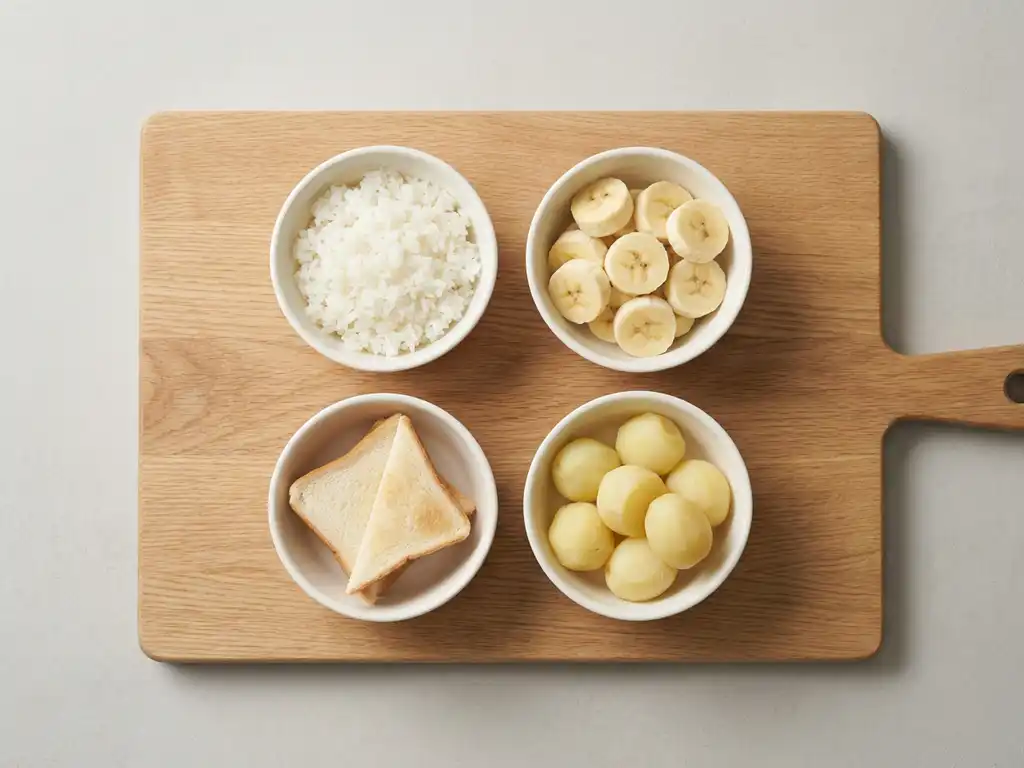
Foods that naturally help harden loose stool in IBS include bananas, white rice, oatmeal, applesauce, and toast. These binding foods work by absorbing excess water in the digestive tract and adding bulk to stool. Lean proteins like chicken and fish, along with certain root vegetables like carrots and potatoes, can also contribute to firmer bowel movements.
The BRAT diet (bananas, rice, applesauce, toast) has long been recommended for digestive issues, and these foods remain effective for IBS management. Bananas are particularly beneficial because they contain pectin, a soluble fiber that helps absorb water and firm up stool. White rice is easily digestible and acts as a binding agent, while oatmeal provides gentle soluble fiber that doesn’t irritate sensitive digestive systems.
Other helpful foods include well-cooked carrots, which are easier to digest when soft, and plain crackers or pretzels, which can help absorb excess stomach acid. Lean proteins are helpful because they don’t stimulate the colon the way high-fat foods might, making them safer choices when you’re trying to manage loose stool.
How does soluble fiber help firm up stool consistency?
Soluble fiber helps firm up stool consistency by dissolving in water to form a gel-like substance that slows digestion and absorbs excess liquid in the intestines. This process creates more formed, cohesive stool while also feeding beneficial gut bacteria. Unlike insoluble fiber, which can worsen diarrhea, soluble fiber acts as a natural stool normalizer.
When soluble fiber reaches your large intestine, it undergoes fermentation by gut bacteria, producing short-chain fatty acids that help maintain intestinal health. This fermentation process is generally gentler than that of insoluble fiber, making it more suitable for people with sensitive digestive systems.
The key is choosing the right sources of soluble fiber that align with low-FODMAP guidelines. Oats, psyllium husk, and certain fruits like oranges and strawberries provide soluble fiber without triggering IBS symptoms. Starting with small amounts and gradually increasing intake allows your digestive system to adjust without causing bloating or gas.
Which low FODMAP foods are best for binding loose stool?
The best low-FODMAP foods for binding loose stool include white rice, quinoa, oats, bananas, carrots, potatoes, chicken, fish, and eggs. These foods provide the binding effect needed to firm up stool while remaining within safe FODMAP limits. Portion sizes matter, as even low-FODMAP foods can become problematic in large quantities.
Rice is particularly effective because it’s naturally gluten-free and easily digestible. Both white and brown rice work well, though white rice is often better tolerated during flare-ups. Quinoa offers similar benefits with added protein, making it a nutritious binding option.
Root vegetables like carrots and potatoes become excellent binding foods when cooked thoroughly. The cooking process breaks down their fiber structure, making them gentler on the digestive system while still providing bulk. Sweet potatoes are also low FODMAP in appropriate portions and offer natural sweetness along with binding properties.
Low-FODMAP fruits that help with stool consistency include bananas, oranges (one medium), and strawberries (five berries). These fruits provide soluble fiber and natural sugars that can help normalize bowel movements without triggering symptoms.
What should you avoid eating when trying to harden stool?
When trying to harden stool, avoid high-FODMAP foods, fatty or greasy foods, caffeine, alcohol, artificial sweeteners, and high-fiber vegetables like broccoli and cabbage. These foods can stimulate bowel movements, increase the water content of stool, or trigger IBS symptoms that worsen diarrhea. Dairy products should also be limited unless you know you tolerate them well.
High-FODMAP foods are particularly problematic because they can draw water into the intestines and ferment rapidly, leading to gas, bloating, and loose stool. Common culprits include garlic, onions, beans, certain fruits like apples and pears, and wheat-based products.
Fatty foods stimulate the gastrocolic reflex, which can speed up digestion and lead to looser stool. This includes fried foods, fatty meats, and high-fat dairy products. Caffeine acts as a natural laxative and can increase bowel movement frequency, making it counterproductive when you’re trying to firm up stool.
Artificial sweeteners, particularly sorbitol, mannitol, and xylitol, have a laxative effect and can worsen diarrhea. These are often found in sugar-free gum, candies, and diet products. Reading labels carefully helps you avoid these problematic ingredients.
How quickly do stool-hardening foods work for IBS symptoms?
Stool-hardening foods typically begin working within 6 to 24 hours for IBS symptoms, though individual response times vary based on metabolism, symptom severity, and overall digestive health. Some people notice improvements within hours, while others may need 2 to 3 days of consistent dietary changes to see significant results.
The timeline depends on several factors, including how quickly food moves through your digestive system and the severity of your current symptoms. People with faster gut transit times may see results sooner, while those with more severe IBS-D might need longer to achieve noticeable improvement.
Consistency is crucial for optimal results. Rather than expecting immediate changes, focus on maintaining a binding diet for several days while monitoring your symptoms. Keep a food diary to track which specific foods work best for you and how quickly you respond to dietary changes.
It’s important to remember that while dietary changes can help manage symptoms, they work best as part of a comprehensive approach that may include stress management, adequate hydration, and regular meal timing. If symptoms persist or worsen despite dietary modifications, consulting a healthcare provider or a registered dietitian familiar with the low-FODMAP diet is recommended.
This recipe is for informational purposes only and is not medical or dietary advice. Please consult a healthcare professional before making any changes to your diet.
Related Articles
- Can I eat pasta with IBS?
- Is Greek yogurt safe on a low-FODMAP diet?
- Orange Cranberry Oatmeal
- How do you calm a FODMAP flare up?
- What diet is best for visceral hypersensitivity?