
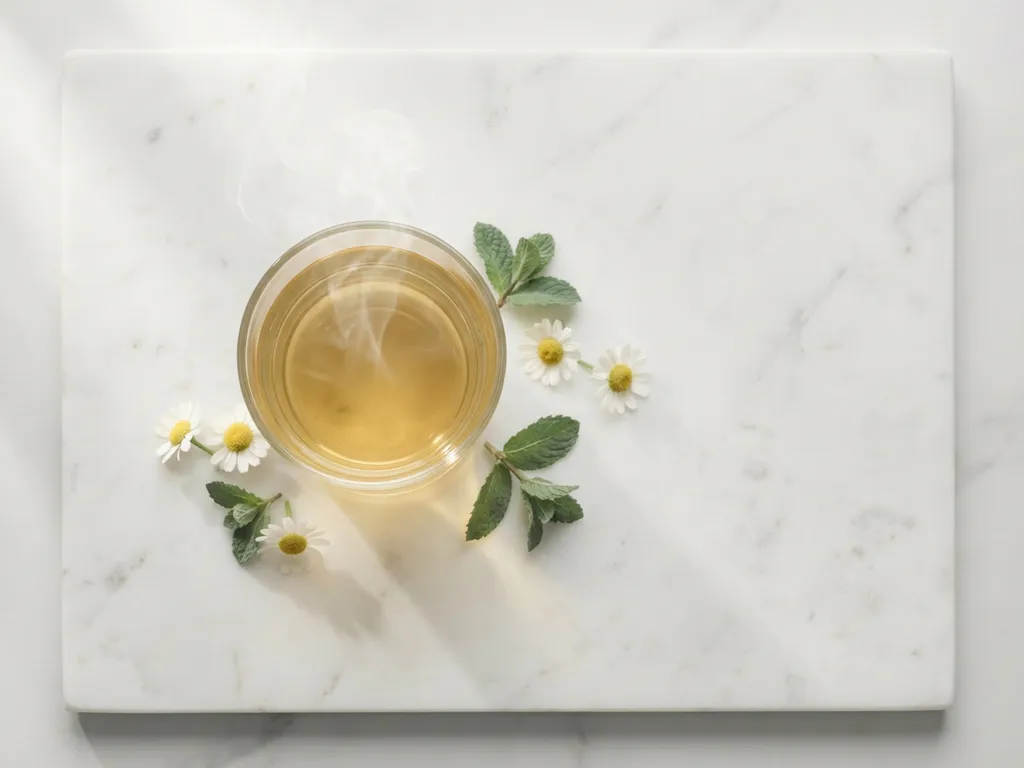
Living with IBS can make even simple choices, like what to drink, feel overwhelming. When your digestive system is sensitive, the wrong beverage can trigger uncomfortable symptoms, while the right ones can provide genuine relief and comfort.
Finding drinks that calm IBS symptoms is about understanding which ingredients soothe your digestive tract and which might cause irritation. The low-FODMAP diet approach can guide many of these choices, helping you identify beverages that support digestive wellness rather than disrupt it.
What drinks are best for calming IBS symptoms?
The best drinks for calming IBS symptoms include peppermint tea, ginger tea, chamomile tea, plain water, and low-FODMAP herbal teas. These beverages contain natural compounds that can reduce inflammation, ease digestive discomfort, and promote gut motility without triggering common IBS symptoms.
Peppermint tea stands out as particularly effective due to its antispasmodic properties, which help relax the smooth muscles in your digestive tract. The menthol in peppermint can reduce cramping and bloating that often accompany IBS flare-ups. Similarly, ginger tea offers anti-inflammatory benefits and can help with nausea and digestive upset.
When following a low-FODMAP diet, it’s important to choose teas and beverages that don’t contain high-FODMAP ingredients. Chamomile tea is naturally low in FODMAPs and has gentle, calming properties that can help reduce stress-related digestive symptoms. Fennel tea, another low-FODMAP option, has traditionally been used to ease bloating and gas.
Plain water remains essential for maintaining proper hydration and supporting healthy digestion. Adding a slice of fresh ginger or a few mint leaves can enhance water’s soothing properties without introducing problematic ingredients.
How does peppermint tea help with IBS flare-ups?
Peppermint tea helps with IBS flare-ups by relaxing the smooth muscles in the intestinal wall through its active compound, menthol. This antispasmodic effect can reduce cramping, bloating, and abdominal pain while promoting more regular bowel movements.
The menthol in peppermint works as a natural muscle relaxant, specifically targeting the muscles that control your digestive tract. When these muscles are tense or spasming during an IBS episode, peppermint tea can help them relax, reducing the intensity of cramps and discomfort.
Research has shown that peppermint oil can be particularly effective for IBS symptoms, and while peppermint tea contains lower concentrations than supplements, it still provides meaningful benefits. The warm temperature of the tea also adds a soothing element that can help reduce stress and tension, which often contribute to IBS symptoms.
For best results, drink peppermint tea between meals rather than with food, as it can sometimes relax the lower esophageal sphincter and potentially cause heartburn in sensitive individuals. Start with one cup and see how your body responds before increasing your intake.
Which drinks should you avoid during an IBS episode?
During an IBS episode, avoid caffeinated beverages, alcohol, carbonated drinks, high-FODMAP fruit juices, and dairy-based drinks. These beverages can stimulate the digestive system, increase inflammation, or contain compounds that worsen IBS symptoms, such as bloating, cramping, and irregular bowel movements.
Caffeine acts as a stimulant that can speed up gut motility, potentially worsening diarrhea or cramping. Coffee, black tea, energy drinks, and sodas can all trigger symptoms during sensitive periods. Even decaffeinated coffee can be problematic due to other compounds that stimulate acid production.
Alcohol irritates the digestive tract and can disrupt the gut microbiome, leading to increased inflammation and symptoms. Carbonated beverages introduce excess gas into your system, which can worsen bloating and abdominal discomfort when you’re already experiencing an IBS flare-up.
High-FODMAP fruit juices, such as apple juice, pear juice, or drinks containing high-fructose corn syrup, can trigger symptoms in those following a low-FODMAP diet. Similarly, dairy-based drinks can cause problems for those with lactose intolerance, which commonly overlaps with IBS.
How much water should you drink with IBS?
Adults with IBS should aim for 8–10 glasses of water daily, or approximately 2–2.5 liters, spread throughout the day. Proper hydration supports healthy digestion, helps prevent constipation, and can reduce the severity of IBS symptoms when maintained consistently.
The key with IBS is not just the amount of water, but how you drink it. Sipping water steadily throughout the day is more beneficial than drinking large amounts at once, which can sometimes trigger symptoms or make you feel overly full. Room-temperature or slightly warm water is often better tolerated than very cold water, which can sometimes cause cramping.
If you experience IBS-C (constipation-predominant IBS), adequate hydration becomes even more critical. Water helps soften stool and supports regular bowel movements. For those with IBS-D (diarrhea-predominant IBS), maintaining hydration helps replace fluids lost during episodes.
Consider adding a pinch of sea salt or electrolytes to your water if you’ve experienced significant fluid loss. This can help maintain proper mineral balance without introducing problematic ingredients that might trigger symptoms.
What herbal teas are safe for IBS sufferers?
Safe herbal teas for IBS sufferers include chamomile, peppermint, ginger, fennel, and lemon balm tea. These teas are naturally low in FODMAPs and contain compounds that can soothe digestive discomfort without triggering common IBS symptoms.
Chamomile tea offers gentle anti-inflammatory properties and can help reduce stress, which often contributes to IBS flare-ups. Its mild, soothing nature makes it an excellent choice for evening consumption or during times of digestive upset.
Ginger tea provides natural anti-nausea benefits and can help stimulate healthy digestion. Fresh ginger root steeped in hot water is particularly effective and aligns well with low-FODMAP diet principles. Fennel tea has traditionally been used to reduce bloating and gas, making it helpful during uncomfortable episodes.
Lemon balm tea can help calm both digestive symptoms and stress-related triggers. When choosing herbal teas, always check ingredient lists to ensure they don’t contain high-FODMAP additions like honey, apple pieces, or certain spices that might trigger symptoms.
Avoid herbal teas containing senna, cascara, or other stimulant laxatives unless specifically recommended by your healthcare provider, as these can worsen IBS symptoms or create dependency.
Can bone broth help soothe IBS symptoms?
Bone broth can help soothe IBS symptoms by providing easily digestible nutrients, supporting gut lining health, and offering anti-inflammatory compounds. The collagen and amino acids in properly prepared bone broth may help strengthen the intestinal barrier and reduce digestive inflammation.
The gelatin in bone broth comes from collagen breakdown during the long cooking process. This gelatin can help support the gut lining and may improve intestinal permeability, which is often compromised in people with IBS. The amino acids glycine and glutamine found in bone broth are particularly beneficial for gut health.
When preparing or choosing bone broth for IBS management, ensure it’s made without high-FODMAP ingredients like onions or garlic. Many commercial broths contain these ingredients, so homemade versions using low-FODMAP vegetables like carrots, celery, and herbs may be preferable.
The warm temperature and easy digestibility of bone broth make it particularly comforting during IBS flare-ups when solid foods might feel too heavy or irritating. Start with small amounts to see how your body responds, as some people with IBS may be sensitive to the higher fat content in rich bone broths.
This recipe is for informational purposes only and is not medical or dietary advice. Please consult a healthcare professional before making any changes to your diet.
Related Articles
- Coconut Flour Orange Muffins
- Gluten-Free Pumpkin Walnut Bread
- Strawberry Almond Smoothie
- Is cottage cheese low in FODMAP?
- Buckwheat Pancakes with Blueberry Compote