
Natural anti-inflammatory compounds have gained significant attention as people seek alternatives to synthetic medications for managing inflammation. Whether you’re dealing with digestive issues, joint pain, or general inflammatory conditions, understanding which natural compounds offer the strongest anti-inflammatory effects can help guide your dietary choices.
For those following a low FODMAP diet due to IBS or other digestive sensitivities, finding effective natural anti-inflammatories that won’t trigger symptoms becomes even more crucial. The good news is that several powerful anti-inflammatory compounds can be safely incorporated into FODMAP-friendly meal plans.
What is the strongest natural anti-inflammatory compound?
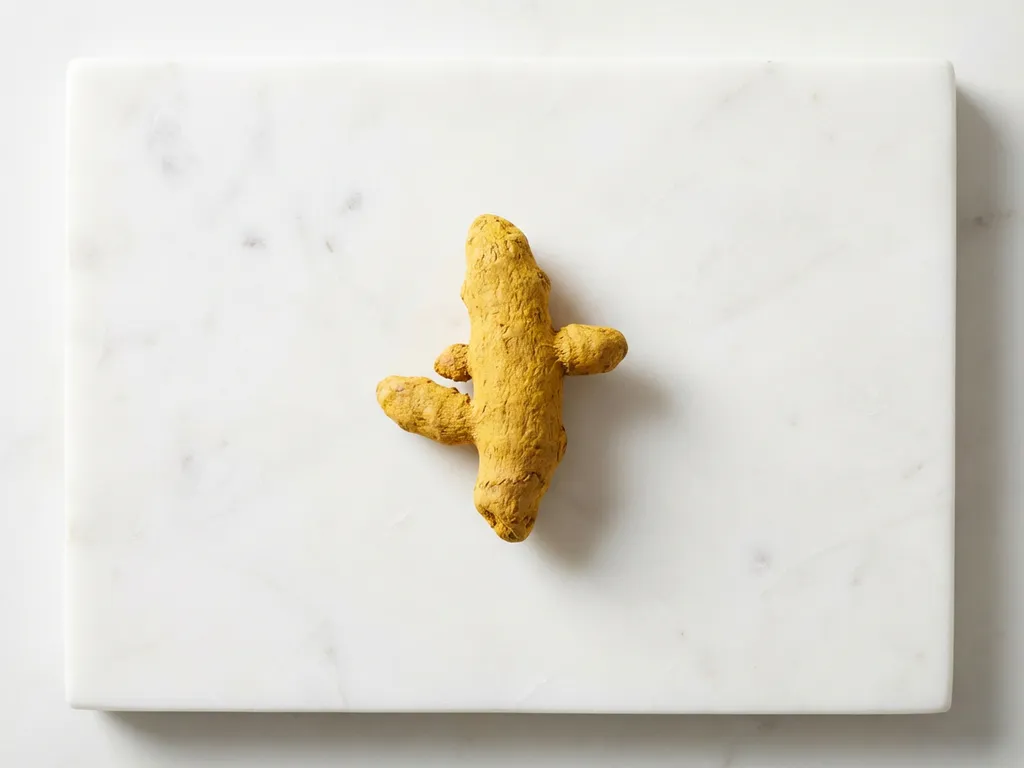
Curcumin, the active compound in turmeric, is widely considered the strongest natural anti-inflammatory available. Studies show curcumin can be as effective as some pharmaceutical anti-inflammatories, with the ability to inhibit multiple inflammatory pathways simultaneously without the side effects associated with synthetic drugs.
What makes curcumin particularly powerful is its ability to target inflammation at the cellular level. Unlike many other natural compounds that work through a single pathway, curcumin blocks several inflammatory enzymes, including cyclooxygenase-2 (COX-2) and lipoxygenase. This multi-target approach helps explain why turmeric has been used medicinally for thousands of years across various cultures.
Other notably strong natural anti-inflammatories include omega-3 fatty acids from fish oil, resveratrol from grapes, and quercetin from onions and berries. However, curcumin consistently demonstrates the most comprehensive anti-inflammatory effects in research studies.
How does curcumin reduce inflammation in the body?
Curcumin reduces inflammation by blocking nuclear factor-kappa B (NF-κB), a protein complex that regulates inflammatory gene expression. When NF-κB is activated, it triggers the production of inflammatory molecules, but curcumin prevents this cascade from occurring.
The compound works through multiple mechanisms to combat inflammation. First, it directly inhibits inflammatory enzymes like COX-2 and 5-lipoxygenase, which are responsible for producing inflammatory prostaglandins and leukotrienes. Second, curcumin reduces the production of inflammatory cytokines such as tumor necrosis factor-alpha (TNF-α) and interleukin-6 (IL-6).
Additionally, curcumin acts as a powerful antioxidant, neutralizing free radicals that can trigger inflammatory responses. This dual action as both an anti-inflammatory and antioxidant makes it particularly effective for managing chronic inflammatory conditions. The compound also helps regulate immune cell activity, preventing the overactive immune responses that characterize many inflammatory disorders.
What foods contain the highest levels of natural anti-inflammatory compounds?
Turmeric contains the highest concentration of curcumin, followed by fatty fish rich in omega-3s, such as salmon and mackerel. Other top sources include leafy greens, berries, olive oil, and ginger, all of which provide significant anti-inflammatory benefits when consumed regularly.
For those following a low FODMAP diet, several excellent anti-inflammatory options remain available. Spinach and kale are rich in flavonoids and carotenoids that fight inflammation. Blueberries and strawberries provide anthocyanins, powerful compounds that reduce inflammatory markers. Olive oil contains oleocanthal, which has effects similar to ibuprofen but without the digestive side effects.
Ginger is another potent anti-inflammatory that’s generally well tolerated on a low FODMAP diet. It contains gingerols and shogaols, compounds that inhibit inflammatory pathways and may be particularly beneficial for digestive inflammation. Carrots, bell peppers, and tomatoes also provide anti-inflammatory carotenoids while remaining FODMAP-friendly in appropriate portions.
How much turmeric do you need to get anti-inflammatory benefits?
Research suggests that consuming 500-1,000 mg of curcumin daily provides therapeutic anti-inflammatory effects. Since turmeric root contains only 2-8% curcumin by weight, this translates to approximately 1-3 teaspoons of ground turmeric daily, though absorption varies significantly between individuals.
The challenge with turmeric is that curcumin has poor bioavailability when consumed alone. To maximize absorption, combine turmeric with black pepper, which contains piperine that increases curcumin absorption by up to 2,000%. A pinch of black pepper with your turmeric is sufficient to enhance absorption.
Taking turmeric with fat also improves absorption since curcumin is fat-soluble. Adding turmeric to dishes with olive oil or coconut oil, or consuming it with a meal containing healthy fats, will increase its effectiveness. For those following a low FODMAP approach, incorporating turmeric into cooking with allowed oils and spices creates both flavorful and therapeutic meals.
What’s the difference between natural and synthetic anti-inflammatories?
Natural anti-inflammatories work more gradually and gently than synthetic drugs, targeting multiple inflammatory pathways simultaneously with fewer side effects. Synthetic anti-inflammatories like NSAIDs work quickly but can cause digestive irritation, kidney problems, and other adverse effects with long-term use.
The primary advantage of natural compounds is their safety profile. While NSAIDs can damage the stomach lining and increase cardiovascular risks, natural anti-inflammatories like curcumin can support digestive health and cardiovascular function. Natural compounds also provide additional benefits beyond inflammation reduction, such as antioxidant protection and immune system support.
However, synthetic anti-inflammatories offer more predictable and immediate results. They’re standardized for dosage and potency, making them more reliable for acute inflammatory conditions. Natural compounds require consistent use over time to build therapeutic levels in the body, and their effects can vary based on individual absorption and metabolism.
Can natural anti-inflammatories help with digestive inflammation?
Yes, natural anti-inflammatories can significantly help reduce digestive inflammation, particularly curcumin and omega-3 fatty acids, which have shown specific benefits for inflammatory bowel conditions and IBS symptoms. These compounds help heal the intestinal lining and reduce inflammatory markers in the digestive tract.
For individuals following a low FODMAP diet due to IBS or other digestive sensitivities, natural anti-inflammatories offer a gentle approach to managing gut inflammation. Curcumin has been shown to improve symptoms in inflammatory bowel disease by reducing intestinal inflammation and supporting barrier function. Ginger helps reduce digestive inflammation while also improving motility and reducing nausea.
Omega-3 fatty acids from fish oil or algae sources help maintain the integrity of the intestinal barrier and reduce pro-inflammatory cytokines in the gut. These benefits are particularly valuable for those with IBS, as chronic low-grade inflammation often underlies digestive symptoms. We recommend incorporating these anti-inflammatory foods gradually and monitoring your individual response, especially when managing digestive sensitivities alongside a structured elimination diet.
This article is for informational purposes only and is not medical or dietary advice. Please consult a healthcare professional before making any changes to your diet.
Related Articles
- Ham and Cheese Egg Bake
- Orange Ginger Overnight Oats
- Strawberry Almond Smoothie
- Is bacon ok on FODMAP?
- What is the fastest way to flush inflammation?