
If you’re dealing with digestive issues or following a low-FODMAP diet, understanding how to repair your gut lining is crucial for long-term digestive health. The gut lining, or intestinal barrier, plays a vital role in nutrient absorption while keeping harmful substances out of your bloodstream.
When this protective barrier becomes compromised, it can lead to increased inflammation, food sensitivities, and digestive symptoms that many people with IBS experience daily. The good news is that certain foods and nutrients can actively support gut lining repair, helping you feel better while maintaining a varied, enjoyable diet.
What foods actually repair the gut lining?
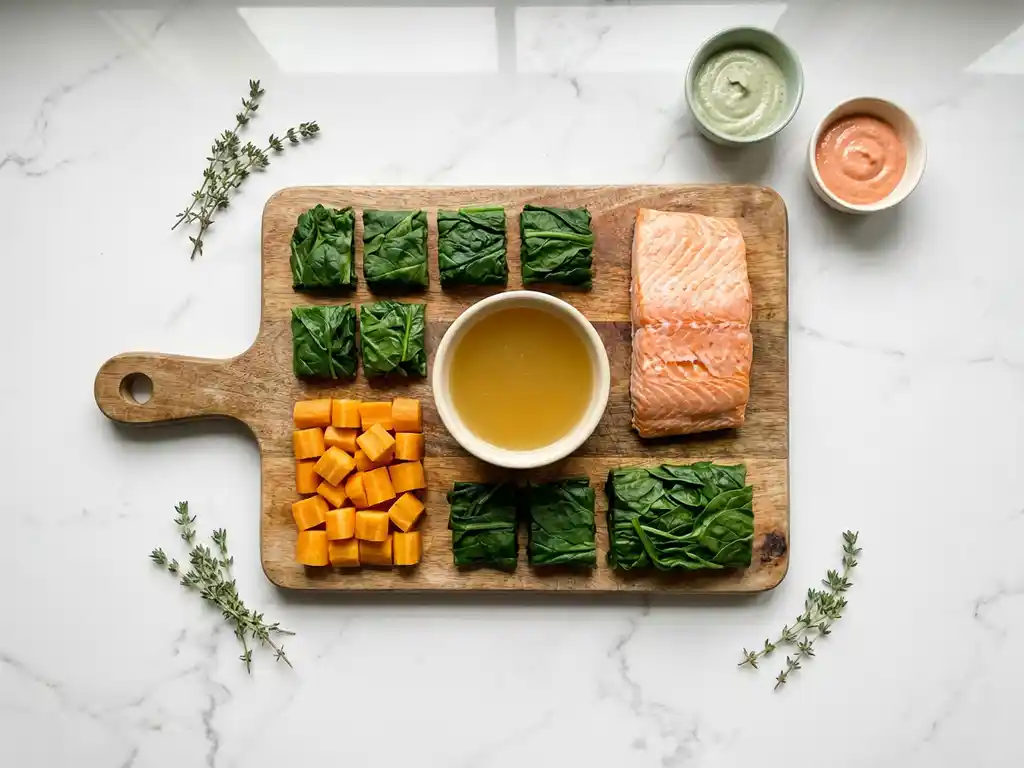
Foods that help repair the gut lining include bone broth, omega-3-rich fish such as salmon and sardines, zinc-containing foods such as pumpkin seeds, and collagen-rich options such as gelatin. These foods provide essential amino acids, minerals, and fatty acids that support intestinal barrier function and cellular repair.
Bone broth stands out as particularly beneficial because it contains glycine, proline, and glutamine—amino acids that directly support gut lining integrity. When following a low-FODMAP diet, you can make bone broth using low-FODMAP vegetables such as carrots, parsnips, and the green parts of leeks.
Omega-3 fatty acids from fish help reduce inflammation in the gut wall, while zinc supports tissue repair and immune function. Other gut-healing foods include collagen peptides, which can be easily added to smoothies or soups, and fermented foods such as lactose-free kefir or small portions of sauerkraut, which provide beneficial bacteria without triggering FODMAP sensitivities.
How does gut lining damage happen in the first place?
Gut lining damage can occur due to chronic inflammation, stress, certain medications such as NSAIDs, excessive alcohol consumption, and bacterial imbalances that weaken the tight junctions between intestinal cells. This leads to increased intestinal permeability, commonly known as “leaky gut.”
For people with IBS, high-FODMAP foods can contribute to this damage by fermenting in the small intestine, creating gas and drawing water into the bowel. This fermentation process can trigger inflammatory responses and disrupt the delicate balance of gut bacteria, further compromising the intestinal barrier.
Chronic stress also plays a significant role, as it increases cortisol production and reduces blood flow to the digestive system. This combination weakens the gut’s natural repair mechanisms and makes the lining more susceptible to damage from food particles, toxins, and harmful bacteria.
Which nutrients are most important for gut healing?
The most important nutrients for gut healing are glutamine, zinc, omega-3 fatty acids, vitamin D, and collagen peptides. Glutamine serves as the primary fuel source for intestinal cells, while zinc supports tissue repair and immune function throughout the digestive tract.
Glutamine can be found in bone broth, fish, and eggs—all naturally low-FODMAP options. This amino acid is particularly crucial because intestinal cells use it for energy and cellular repair processes. Without adequate glutamine, the gut lining cannot maintain its protective barrier effectively.
Vitamin D supports immune regulation in the gut, helping to reduce inflammatory responses that can damage the intestinal wall. You can obtain vitamin D from fatty fish, egg yolks, and appropriate supplementation. Omega-3 fatty acids from sources such as salmon, mackerel, and walnuts help resolve inflammation and support the production of protective compounds in the gut lining.
What foods should you avoid when healing the gut lining?
When healing the gut lining, avoid processed foods, excessive sugar, alcohol, NSAIDs, and high-FODMAP foods that trigger your individual symptoms. These substances can increase inflammation, disrupt beneficial bacteria, and prevent proper healing of the intestinal barrier.
Highly processed foods often contain additives, preservatives, and emulsifiers that can irritate the gut lining and promote inflammation. Sugar feeds harmful bacteria and yeast, creating an imbalance that interferes with healing processes. For those following a low-FODMAP diet, this means being particularly careful about hidden sugars and high-FODMAP sweeteners such as honey and agave.
Alcohol is especially problematic because it directly damages intestinal cells and increases gut permeability. Even small amounts can undo progress made in gut healing. Additionally, certain medications such as NSAIDs (ibuprofen, aspirin) can create small tears in the gut lining, so it’s important to use them sparingly and under medical guidance when focusing on gut repair.
How long does it take for the gut lining to repair itself?
Gut lining repair typically takes 2–12 weeks, depending on the extent of damage, individual health factors, and adherence to a gut-healing protocol. The intestinal lining naturally regenerates every 3–5 days, but restoring full barrier function and reducing inflammation takes longer.
For people with mild gut irritation, improvements may be noticed within 2–4 weeks of implementing dietary changes and removing triggering foods. However, those with more severe damage or chronic conditions such as IBS may need 8–12 weeks or longer to see significant improvements in symptoms and gut barrier function.
The timeline also depends on your ability to identify and eliminate personal trigger foods. Following a structured approach such as the low-FODMAP elimination and reintroduction phases can help speed up the healing process by removing inflammatory foods while ensuring adequate nutrition for repair. Consistency with gut-healing foods and stress-management practices also significantly affects recovery time.
Can probiotics help repair damaged gut lining?
Yes, specific probiotic strains can help repair damaged gut lining by strengthening tight junctions, reducing inflammation, and producing beneficial compounds such as short-chain fatty acids. However, not all probiotics are suitable during active gut healing, especially for those with FODMAP sensitivities.
Lactobacillus rhamnosus GG and Bifidobacterium longum are two well-researched strains that support gut barrier function. These probiotics produce substances that directly strengthen the connections between intestinal cells and help maintain the protective mucus layer. They also compete with harmful bacteria for space and nutrients, promoting a healthier gut environment.
When choosing probiotics while following a low-FODMAP diet, look for supplements that don’t contain high-FODMAP prebiotics such as inulin or FOS. Start with lower doses and gradually increase to assess tolerance. Some people may need to wait until their gut lining has healed somewhat before introducing probiotics, as damaged intestines can sometimes react negatively to bacterial changes initially.
This article is for informational purposes only and is not medical or dietary advice. Please consult a healthcare professional before making any changes to your diet.
Related Articles
- What do you eat on a low FODMAP diet?
- Gluten-Free Waffles with Maple Syrup
- Blueberry Peanut Butter Oatmeal
- What three foods make IBS worse?
- Blueberry Walnut Overnight Oats