
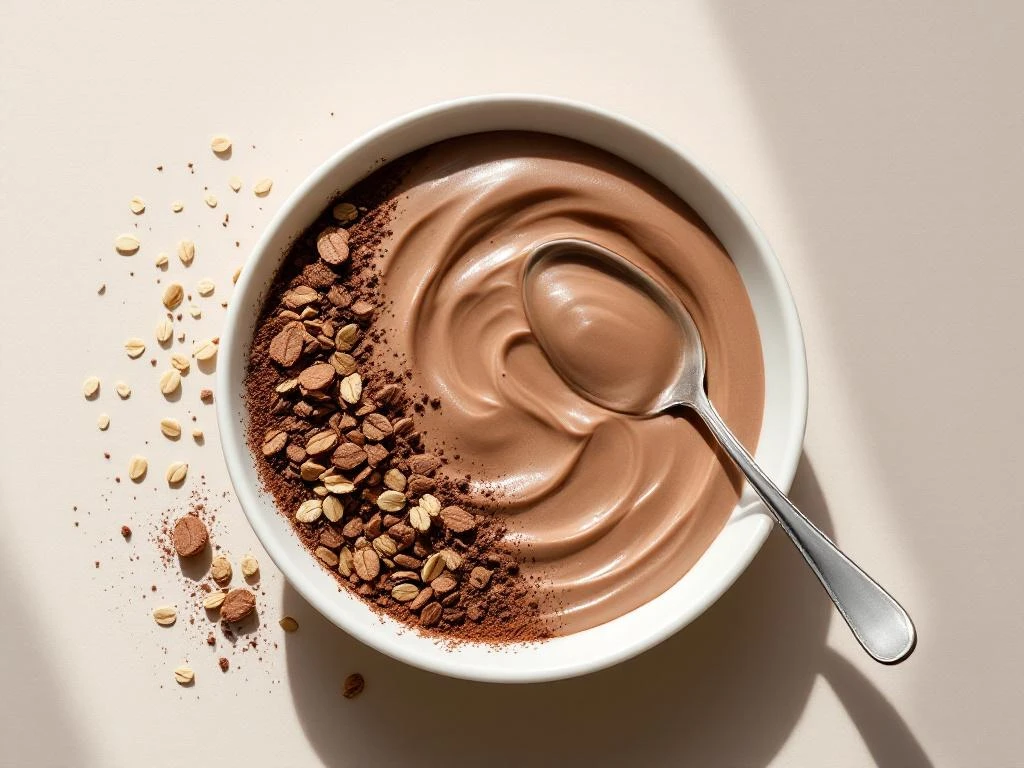
Waking up to a warm bowl of lactose-free chocolate protein oats means you can enjoy a satisfying breakfast without worrying about IBS symptoms. This recipe combines certified gluten-free oats with lactose-free protein powder and cocoa for a high protein breakfast that tastes like dessert but keeps your digestion calm.
This guide is perfect for beginners and takes about 10 minutes to prepare. You’ll need basic kitchen equipment like a pot or microwave-safe bowl, measuring cups, and a whisk. The recipe follows low FODMAP guidelines strictly, so you can eat it during the elimination phase or any time you need gentle, filling food.
You’ll learn which ingredients stay within safe FODMAP limits, how to cook the oats properly so the protein powder blends smoothly, and which toppings add flavour without triggering symptoms. By the end, you’ll have a go-to breakfast that supports your gut health whilst giving you energy for the morning.
Why chocolate protein oats work for IBS
Oats contain soluble fibre that forms a gel in your digestive system. This slows down digestion in a helpful way, keeping you full longer without causing the rapid movement that triggers IBS symptoms. The fibre also feeds beneficial gut bacteria gently.
Adding protein powder turns this into a complete breakfast. Protein helps you feel satisfied and stabilises blood sugar, which prevents the energy crashes that can worsen digestive discomfort. When you combine protein with the slow-releasing carbohydrates in oats, you get sustained energy without the bloating that comes from high-sugar breakfasts.
The chocolate flavour makes this feel indulgent, which matters when you’re managing food restrictions. Cocoa powder is naturally low FODMAP in small amounts and contains compounds that may reduce gut inflammation. You’re not just eating safe food, you’re enjoying something that tastes good whilst supporting your digestive health.
Gluten-free oats are essential because regular oats often get contaminated with wheat during processing. Even if oats themselves don’t bother you, that cross-contamination can trigger symptoms. Certified gluten-free oats eliminate this risk completely.
Gather your lactose-free ingredients
Start with 50g of certified gluten-free rolled oats. This portion stays well within low FODMAP limits. Quick oats work too, but rolled oats give you better texture and keep you fuller longer.
You’ll need one scoop (about 25g) of lactose-free protein powder. Choose unflavoured or vanilla varieties without added FODMAPs. Check the label carefully as some protein powders contain inulin, chicory root, or artificial sweeteners like sorbitol that can trigger symptoms. Whey protein isolate is naturally very low in lactose, whilst pea protein or rice protein work for completely dairy-free options.
Add one tablespoon of unsweetened cocoa powder. Pure cocoa without added milk solids or sweeteners is safe. This amount gives you rich chocolate flavour without going over FODMAP limits.
For liquid, use 240ml of lactose-free milk or a low FODMAP plant-based alternative. Almond milk (made from almonds only, not from almond meal) works well in portions up to 250ml. Oat milk is not suitable because commercial versions often exceed FODMAP limits. Rice milk is another safe option.
Optional ingredients include a pinch of salt to enhance flavour, and a low FODMAP sweetener if you prefer sweeter oats. Maple syrup (one tablespoon maximum) or table sugar (one tablespoon) both stay within safe limits.
If you can’t find lactose-free protein powder, you can skip it and add an extra tablespoon of oats, though you’ll get less protein. For a nut-free version, stick with lactose-free cow’s milk or rice milk instead of almond milk.
Equipment you need
- Small pot for stovetop method or microwave-safe bowl
- Measuring cups and spoons
- Whisk or fork for mixing
- Serving bowl
Prepare your chocolate protein oats
Measure your oats into the pot or microwave-safe bowl. Add the cocoa powder and salt if using, then stir these dry ingredients together. Mixing the cocoa with the oats first helps it distribute evenly and prevents clumping.
Pour in your lactose-free milk. The ratio is roughly 1 part oats to 5 parts liquid, which creates creamy oatmeal rather than thick porridge. Stir everything together before you start cooking.
Stovetop method
Place the pot on medium heat. Stir occasionally as the mixture heats up. Once it starts to bubble gently, reduce the heat to low. Cook for 5 minutes, stirring every minute or so to prevent sticking. The oats are done when they’ve absorbed most of the liquid and reached a creamy consistency.
Remove from heat and let sit for one minute. This resting time lets the oats finish absorbing liquid and makes the texture smoother.
Now add your protein powder. This timing matters because adding protein powder during cooking can make it clump or develop a chalky texture. Sprinkle the powder over the cooked oats and whisk vigorously for 30 seconds. The oats should be hot enough to help the protein dissolve but not so hot that it cooks the protein.
Microwave method
Microwave on high for 90 seconds. Remove and stir well. The oats will look soupy at this stage. Microwave for another 60 to 90 seconds, watching carefully to prevent overflow. Oats bubble up quickly in the microwave, so use a bowl that’s larger than you think you need.
Let the oats rest for one minute, then add your protein powder. Whisk thoroughly to incorporate. If the mixture seems too thick after adding protein, stir in one or two tablespoons of extra lactose-free milk.
Fixing common texture problems
If your oats turn out too thick, add more milk one tablespoon at a time and stir well. If they’re too runny, microwave for another 30 seconds or return to the stovetop for another minute.
Protein powder clumps usually mean you added it whilst the oats were too hot or didn’t whisk enough. If you see clumps, add a splash of cold milk and whisk vigorously. The temperature drop and extra liquid help smooth things out.
Customise with low FODMAP toppings
Fresh berries add natural sweetness and nutrients without FODMAPs. Stick to 40g of blueberries or 65g of strawberries per serving. These portions stay safe whilst giving you antioxidants and extra fibre.
One tablespoon of peanut butter (smooth, not crunchy) adds healthy fats and more protein. Check that your peanut butter contains only peanuts and salt, no added sweeteners. Almond butter works too in the same portion size.
Seeds provide crunch and nutrition. One tablespoon of pumpkin seeds, sunflower seeds, or chia seeds all work well. Chia seeds also thicken the oats slightly if you prefer a denser texture. Let them sit for a few minutes after stirring them in.
For extra sweetness, drizzle half a tablespoon of maple syrup over the top. You can also sprinkle a small amount of dark chocolate chips (check they’re dairy-free if needed). Five to ten chips add chocolate intensity without exceeding FODMAP limits.
A small sliced banana (one-third of a medium banana, which is about 35g) stays within low FODMAP guidelines. Bananas add natural creaminess and potassium. Slice it just before eating so it doesn’t brown.
Avoid honey, agave, and dried fruits as these contain high FODMAP sugars. Skip granola unless it’s specifically certified low FODMAP, as most commercial versions contain high FODMAP ingredients like dates or honey.
Meal prep tips
You can mix the dry ingredients (oats, cocoa, salt) in advance and store them in an airtight container. When you’re ready to eat, just add milk and cook as directed. This saves time on busy mornings.
The cooked oats keep in the fridge for up to two days. Reheat with a splash of extra milk to restore the creamy texture. Add the protein powder after reheating for the best consistency.
Don’t add toppings until you’re ready to eat. Fresh fruit and nut butter stay fresher when stored separately.
Your IBS-friendly breakfast routine
You now have a reliable lactose-free chocolate protein oats recipe that fits your low FODMAP needs. This breakfast gives you protein, fibre, and satisfaction without triggering digestive symptoms. The chocolate flavour makes it feel special rather than restrictive.
Start making this recipe your regular breakfast and notice how stable energy and comfortable digestion improve your mornings. You can adjust the toppings based on what you have available or what sounds good that day.
Try preparing the dry mix for the whole week on Sunday. Having it ready makes it easier to stick with a gut-friendly breakfast even when you’re rushed. You might also experiment with different low FODMAP toppings to keep things interesting.
We share more IBS-friendly breakfast ideas and low FODMAP recipes that make managing digestive sensitivities simpler. Good food shouldn’t be complicated, even when you’re following specific dietary guidelines.
Lactose-free chocolate protein oats
Cooking time: 10 minutes | Portions: 1 serving
Ingredients
- 50g certified gluten-free rolled oats
- 1 scoop (25g) lactose-free protein powder (unflavoured or vanilla)
- 1 tablespoon unsweetened cocoa powder
- 240ml lactose-free milk or low FODMAP plant-based milk
- Pinch of salt (optional)
- 1 tablespoon maple syrup or sugar (optional)
Instructions
- Mix oats, cocoa powder, and salt in a pot or microwave-safe bowl
- Add lactose-free milk and stir to combine
- For stovetop: Cook on medium heat for 5 minutes, stirring occasionally, then reduce heat and simmer until creamy
- For microwave: Heat for 90 seconds, stir, then heat another 60 to 90 seconds
- Let cooked oats rest for 1 minute off heat
- Add protein powder and whisk vigorously for 30 seconds until smooth
- Add optional sweetener and stir
- Top with low FODMAP toppings of choice
Safe topping options (choose 1-2)
- 40g blueberries or 65g strawberries
- 1 tablespoon peanut butter or almond butter
- 1 tablespoon pumpkin seeds, sunflower seeds, or chia seeds
- One-third of a medium banana (35g)
- ½ tablespoon maple syrup
- 5 to 10 dairy-free dark chocolate chips
This recipe is for informational purposes only and is not medical or dietary advice. Please consult a healthcare professional before making any changes to your diet.
Related Articles
- Egg and Bacon Breakfast Burrito
- Peanut Butter Banana Smoothie
- Lactose-Free Cottage Cheese with Pineapple
- What is a good dinner for someone with IBS?
- Can I eat dairy on a low FODMAP diet?