
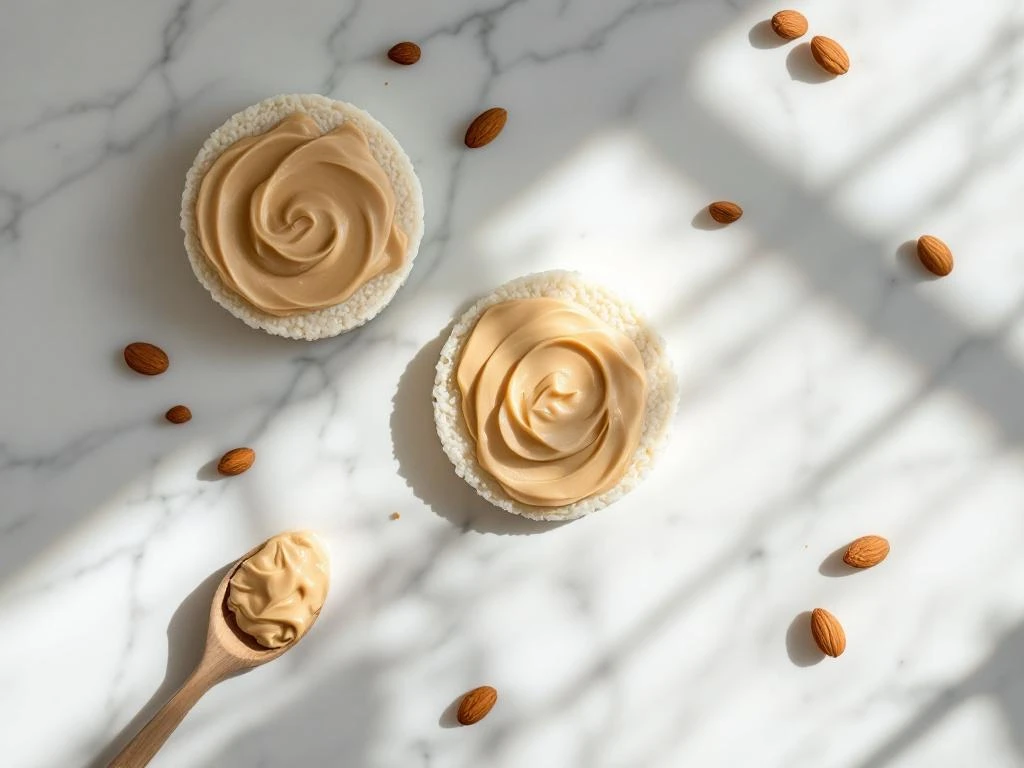
When you’re managing IBS symptoms, finding quick and satisfying snacks can feel challenging. Rice cakes with almond butter offer a simple solution that’s both gentle on your digestive system and genuinely delicious. This combination provides energy and nutrition without triggering uncomfortable symptoms.
This guide is perfect for beginners. You’ll need about 5 minutes to prepare these snacks. The only requirements are rice cakes, almond butter, and any low FODMAP toppings you fancy. By following these straightforward steps, you’ll create a reliable IBS friendly snack that works for breakfast, afternoon energy, or post-workout fuel.
Why rice cakes with almond butter work for IBS
Rice cakes are naturally gluten free and made from puffed rice, which is well tolerated by most people with IBS. Plain rice cakes contain no FODMAPs, making them a safe base for your snack. They’re light, easily digestible, and won’t sit heavily in your stomach.
Almond butter adds healthy fats and protein to keep you satisfied longer. According to Monash University guidelines, almond butter is low FODMAP in servings up to one tablespoon (about 20 grams). This portion size provides nutritional benefits without exceeding FODMAP thresholds that might trigger symptoms.
The combination works particularly well because the protein and fat from almond butter slow down digestion of the rice cake’s carbohydrates. This creates steady energy rather than blood sugar spikes. For those managing IBS, this balance helps maintain stable digestion throughout your day.
Stick to the recommended serving sizes to keep this snack truly low FODMAP. Two rice cakes with one tablespoon of almond butter each remains within safe limits. If you’re in the elimination phase of the low FODMAP diet, this combination should work well for most people.
What you need for perfect almond butter rice cakes
Choosing the right ingredients makes all the difference. Not all rice cakes and almond butters are created equal when you’re following a low FODMAP diet.
Essential ingredients
- Plain rice cakes (2 per serving): Look for varieties with only rice and salt in the ingredients list. Avoid flavoured versions that might contain onion powder, garlic, or honey
- Pure almond butter (1 tablespoon per rice cake): Choose brands with only almonds and perhaps salt. Avoid products with added honey, agave, or inulin
- Optional toppings: Fresh strawberries, banana slices (firm, unripe), chia seeds, or lactose-free dark chocolate chips
What to look for when shopping
Check rice cake labels carefully. Some brands add seasonings or sweeteners that aren’t low FODMAP friendly. Plain salted rice cakes are your safest choice. Brown rice cakes work just as well as white rice varieties.
For almond butter, the ingredient list should be short. “Almonds” or “almonds and salt” is ideal. Avoid products labelled “almond spread” as these often contain additives. Natural almond butter separates with oil on top, which is perfectly normal. Just stir it before using.
Tools you’ll need
- Butter knife or small spatula for spreading
- Measuring spoons to ensure proper portions
- Small plate or cutting board
Assemble your rice cakes with almond butter
The assembly process is straightforward, but a few techniques ensure the best results every time.
Place your rice cakes on a clean plate or cutting board. If your almond butter has separated, give it a good stir to reincorporate the oil. This makes spreading much easier and creates a smoother texture.
Measure out one tablespoon of almond butter per rice cake. This step matters for staying within low FODMAP limits. Eyeballing portions often leads to using more than you think.
Spread the almond butter evenly across the rice cake surface. Start in the centre and work outward in a circular motion. Apply gentle pressure to avoid breaking the rice cake. Aim for a layer about 3 millimetres thick, which provides good coverage without overwhelming the crispy texture.
If your rice cake cracks while spreading, your almond butter might be too cold or thick. Let it sit at room temperature for a few minutes to soften. You can also warm the spoon slightly under hot water, dry it thoroughly, then use it to spread more easily.
Success check: Your almond butter should reach almost to the edges without dripping off. The rice cake should still have some structural integrity and not feel soggy.
Customize with low FODMAP toppings
Adding toppings transforms basic almond butter rice cakes into something special. The key is choosing ingredients that enhance flavour whilst remaining low FODMAP compliant.
Sweet topping combinations
Slice firm, slightly unripe banana into thin rounds. Up to one-third of a medium banana remains low FODMAP. Arrange the slices on top of the almond butter for natural sweetness and extra potassium. This combination works brilliantly for breakfast or pre-workout fuel.
Fresh strawberries offer another excellent sweet option. Quarter or slice them thinly and press gently into the almond butter. Ten medium strawberries stay within low FODMAP limits, giving you plenty to work with.
Sprinkle chia seeds over the top for added texture and omega-3 fatty acids. Two tablespoons of chia seeds are low FODMAP and add a pleasant crunch. They also help the toppings stick better to the almond butter.
For chocolate lovers, scatter a few lactose-free dark chocolate chips across your rice cake. Look for dark chocolate with at least 70% cocoa content, which typically contains less sugar and no milk solids.
Savoury alternatives
Not every snack needs to be sweet. Try these savoury rice cake toppings for variety.
Add a light sprinkle of sea salt and a few pumpkin seeds. The seeds provide crunch and minerals whilst staying low FODMAP in portions up to two tablespoons. This combination works well for afternoon snacks when you want something satisfying but not sugary.
Thin cucumber slices pressed into the almond butter create a refreshing option. The cool cucumber contrasts nicely with the rich nut butter. Add a tiny pinch of black pepper for extra flavour.
Tips for structural integrity
Layer toppings strategically to prevent your rice cake from becoming soggy or falling apart. Place heavier items like banana slices flat against the almond butter first. Add lighter toppings like seeds or chocolate chips last.
Don’t overload your rice cake. Two or three toppings maximum keeps everything manageable. Too many additions make the snack difficult to eat and can overwhelm the flavours.
Eat your topped rice cakes within 10 minutes of assembly for the best texture. The moisture from fresh fruit will eventually soften the rice cake, so prepare them just before eating rather than in advance.
Rice cakes with almond butter prove that following a low FODMAP diet doesn’t mean sacrificing convenience or taste. This quick low FODMAP recipe takes minutes to prepare and provides reliable nutrition when you need it. The combination offers protein, healthy fats, and satisfying crunch without triggering IBS symptoms. Keep these ingredients on hand for whenever hunger strikes. You’ll always have an IBS friendly snack ready to go. Experiment with different low FODMAP toppings to find your favourite combinations. The basic formula stays the same whilst the flavours can change daily, keeping your snack routine interesting and enjoyable.
Rice cakes with almond butter
Preparation time: 5 minutes | Servings: 1
- 2 plain rice cakes (gluten free)
- 2 tablespoons pure almond butter (1 tablespoon per rice cake)
- Optional: 1/3 firm banana, sliced
- Optional: 5 strawberries, sliced
- Optional: 1 tablespoon chia seeds
- Optional: 1 tablespoon lactose-free dark chocolate chips
Steps:
- Place rice cakes on a plate
- Measure 1 tablespoon almond butter per rice cake
- Spread almond butter evenly from centre outward
- Add your choice of low FODMAP toppings
- Serve immediately for best texture
This recipe is for informational purposes only and is not medical or dietary advice. Please consult a healthcare professional before making any changes to your diet.
Related Articles
- Orange Almond Smoothie
- What naturally kills bad bacteria in the gut?
- What meat is good for IBS?
- Does Gatorade help with IBS?
- Smoked Salmon and Scrambled Eggs