
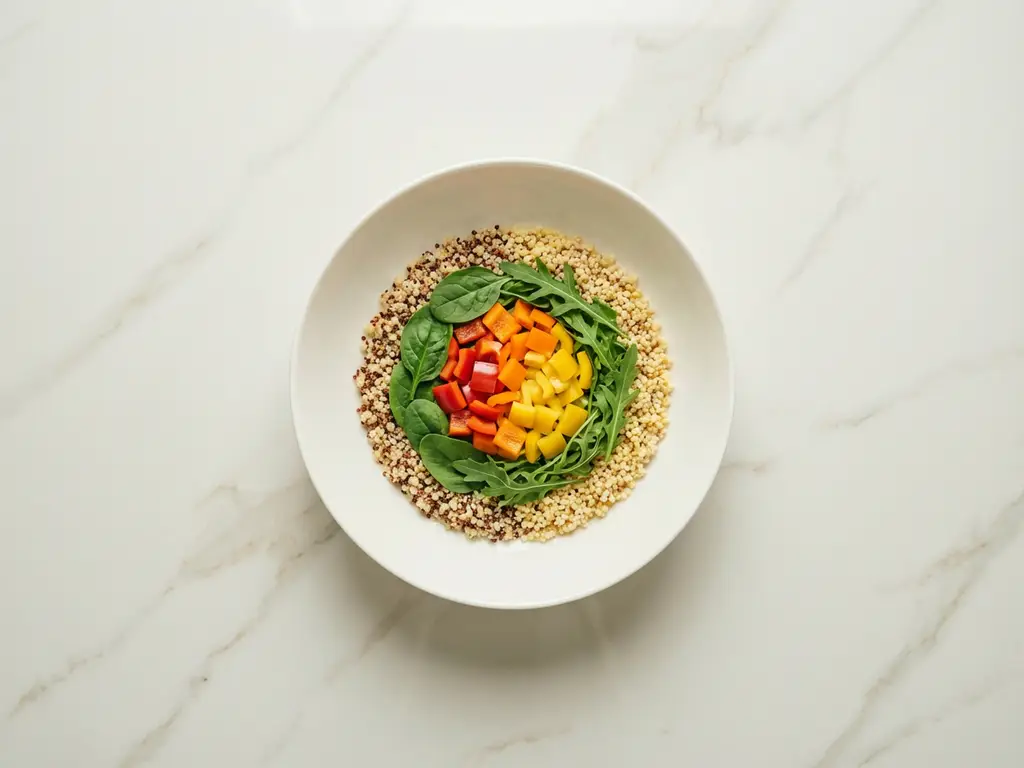
A 7-day gut reset is becoming increasingly popular as people seek ways to improve their digestive health and overall well-being. This structured approach to eating focuses on temporarily eliminating potentially problematic foods while supporting your gut with healing nutrients. For those following a low-FODMAP diet or dealing with digestive sensitivities, understanding how a gut reset works can be particularly valuable for managing symptoms and identifying trigger foods.
Whether you’re experiencing ongoing digestive discomfort, looking to identify food sensitivities, or simply want to give your gut a fresh start, a week-long reset can provide clarity and relief. The process involves careful food selection, mindful eating practices, and the gradual reintroduction of foods to help you understand what works best for your unique digestive system.
What is a 7-day gut reset, and how does it work?
A 7-day gut reset is a structured eating plan that eliminates potentially inflammatory and hard-to-digest foods for one week while focusing on gut-healing nutrients and easily digestible options. The reset works by giving your digestive system a break from common trigger foods, reducing inflammation, and supporting the growth of beneficial gut bacteria through targeted nutrition.
The process typically involves three phases: preparation, the 7-day elimination period, and systematic reintroduction. During the elimination phase, you remove foods that commonly cause digestive distress, including processed foods, sugar, caffeine, and alcohol—and often gluten and dairy. Instead, you focus on whole foods such as lean proteins, non-starchy vegetables, healthy fats, and specific fruits that are gentle on the digestive system.
The reset works by allowing your gut lining to heal, reducing inflammatory markers, and rebalancing your microbiome. Many people notice improvements in bloating, gas, irregular bowel movements, and energy levels. This structured approach can also help identify which foods may be contributing to digestive issues when they are systematically reintroduced after the reset period.
Who should consider doing a 7-day gut reset?
Individuals experiencing chronic digestive symptoms such as bloating, gas, irregular bowel movements, or stomach pain may consider a 7-day gut reset, particularly those with IBS, food sensitivities, or suspected FODMAP intolerances. The reset can also be beneficial for people who feel sluggish after meals, experience frequent food cravings, or want to identify specific trigger foods.
Those following a low-FODMAP diet often find gut resets particularly helpful as a way to establish a baseline before beginning the reintroduction phases. People who have been eating a highly processed diet, have recently used antibiotics, or are dealing with high stress levels may also benefit from the digestive break this approach provides.
However, certain individuals should avoid gut resets without medical supervision. This includes people with eating disorders, those who are pregnant or breastfeeding, individuals with diabetes or other chronic health conditions, and anyone taking medications that require consistent food intake. Children and teenagers should not undertake restrictive eating plans without professional guidance.
What foods can you eat during a 7-day gut reset?
During a 7-day gut reset, focus on easily digestible whole foods, including lean proteins such as chicken, fish, and eggs; low-FODMAP vegetables such as carrots, spinach, and zucchini; healthy fats from olive oil and avocado; and gentle fruits such as bananas and berries. Bone broth, herbal teas, and plenty of water support hydration and healing.
Vegetables that work well during a gut reset include leafy greens, cucumber, bell peppers, and root vegetables such as sweet potatoes. These provide essential nutrients while being relatively easy to digest. For those following low-FODMAP guidelines, stick to appropriate serving sizes of these vegetables to avoid triggering symptoms.
Protein sources should be simple and unprocessed. Wild-caught fish, organic poultry, and pasture-raised eggs provide essential amino acids for gut-lining repair. Plant-based options can include small portions of firm tofu or tempeh for those who tolerate them well.
Healthy fats play a crucial role in reducing inflammation and supporting nutrient absorption. Include moderate amounts of olive oil, coconut oil, and avocado. Nuts and seeds should be limited or avoided during the reset period, as they can be harder to digest for some people.
What foods should you avoid during a gut reset?
Avoid processed foods, sugar, caffeine, alcohol, gluten, dairy, high-FODMAP foods, and common inflammatory ingredients during a 7-day gut reset. These foods can irritate the digestive system, promote inflammation, and interfere with the healing process the reset is designed to support.
Processed and packaged foods contain additives, preservatives, and artificial ingredients that can disrupt the balance of gut bacteria. This includes packaged snacks, frozen meals, deli meats, and most restaurant foods. Sugar and artificial sweeteners can feed harmful bacteria and yeast in the gut, while caffeine and alcohol can irritate the digestive lining.
High-FODMAP foods are particularly important to avoid if you’re dealing with IBS or digestive sensitivities. These include onions, garlic, certain fruits such as apples and pears, beans and legumes, and wheat-based products. Even healthy foods such as cruciferous vegetables (broccoli and cauliflower) might be temporarily eliminated, as they can cause gas and bloating in sensitive individuals.
Common inflammatory foods to avoid include nightshade vegetables (tomatoes, peppers, and eggplant), nuts and seeds, spicy foods, and any foods you know you’re sensitive to. The goal is to create the gentlest environment possible for your digestive system to reset and heal.
How do you prepare for a 7-day gut reset?
Prepare for a 7-day gut reset by planning your meals in advance, shopping for approved ingredients, clearing your pantry of trigger foods, and gradually reducing caffeine and processed foods in the days leading up to the reset. Proper preparation increases your chances of success and minimizes withdrawal symptoms.
Start by creating a meal plan for all seven days, including snacks. This prevents decision fatigue and ensures you have appropriate foods available when hunger strikes. Make a detailed shopping list focusing on fresh, whole ingredients. Consider batch-cooking some basic proteins and vegetables to make daily meal preparation easier.
Physical preparation includes clearing your kitchen of tempting foods that aren’t part of the reset. Stock up on herbal teas, bone broth, and plenty of fresh vegetables. If you’re a regular coffee drinker, start reducing your intake a few days before the reset to minimize withdrawal headaches.
Mental preparation is equally important. Set realistic expectations about potential symptoms such as fatigue or cravings in the first few days. Plan for adequate rest, gentle movement such as walking or yoga, and stress-management techniques. Consider starting the reset on a weekend, when you have more control over your schedule and environment.
What can you expect during each day of a gut reset?
During a 7-day gut reset, expect initial symptoms such as fatigue, cravings, and possible headaches on days 1–3, followed by increased energy, reduced bloating, and improved digestion on days 4–7. Each person’s experience varies, but most people notice positive changes by the midpoint of the reset.
Days 1–2 often involve the most challenging symptoms as your body adjusts to the elimination of processed foods, sugar, and caffeine. You might experience mild headaches, fatigue, or mood changes. This is normal and typically indicates that your body is beginning to adjust to the new eating pattern.
Days 3–4 usually mark a turning point, when energy levels begin to stabilize and digestive symptoms start improving. Many people notice less bloating after meals and more regular bowel movements. Sleep quality often improves during this phase as blood sugar levels become more stable.
Days 5–7 typically bring the most noticeable benefits. Energy levels often increase significantly, mental clarity improves, and digestive symptoms such as gas and bloating are markedly reduced. Your appetite may normalize, and you might notice that you feel satisfied with smaller portions. This is when many people feel motivated to continue healthier eating patterns beyond the reset period.
How do you reintroduce foods after a 7-day gut reset?
Reintroduce foods systematically after a 7-day gut reset by adding one food group every 2–3 days while monitoring symptoms such as bloating, gas, or digestive discomfort. This methodical approach, similar to the FODMAP reintroduction phase, helps identify specific trigger foods and establish your personal tolerance levels.
Start with the least likely to be problematic foods. Begin with small amounts of gluten-free grains such as rice or quinoa, then move to dairy products, followed by higher-FODMAP foods, and finally processed foods, if desired. Keep a detailed food and symptom diary during this phase to track your body’s responses.
When reintroducing each food group, eat it for 2–3 consecutive days while maintaining the rest of your reset diet. If you experience symptoms, eliminate that food group and wait for symptoms to resolve before testing the next category. If no symptoms occur, you can generally assume that food group is well tolerated.
The reintroduction phase is crucial for long-term success. It helps you create a personalized eating plan based on your individual tolerances rather than following restrictive rules indefinitely. This approach aligns well with the low-FODMAP diet methodology, where the goal is to identify your specific triggers while maintaining as varied a diet as possible.
This information is for educational purposes only and is not medical or dietary advice. Please consult a healthcare professional before making any changes to your diet, especially if you have existing health conditions or are taking medications.
Related Articles
- Bacon and Egg Breakfast Bowl
- What is the biggest IBS trigger?
- What foods are surprisingly low in FODMAP?
- What breakfast foods are low FODMAP?
- Peanut Butter Banana Bread