
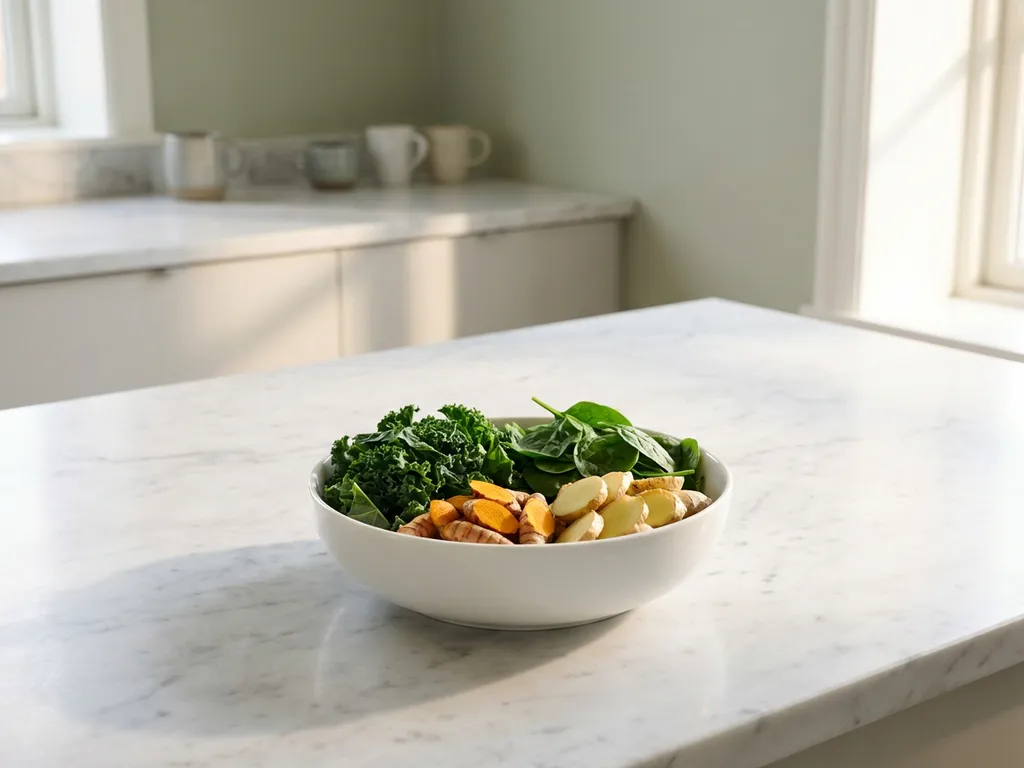
A 3-day gut reset can be a powerful tool for anyone experiencing digestive discomfort, bloating, or irregular bowel movements. This short-term dietary intervention helps calm inflammation, reduce symptoms, and give your digestive system a chance to rebalance. For those following a low-FODMAP diet or dealing with IBS, a structured gut reset can provide much-needed relief and help identify trigger foods.
Understanding how to properly carry out a gut reset is crucial for maximizing its benefits while avoiding potential pitfalls. The process involves careful food selection, timing, and preparation to ensure your digestive system gets the support it needs without causing additional stress or nutrient deficiencies.
What is a 3-day gut reset?
A 3-day gut reset is a short-term dietary protocol designed to reduce digestive inflammation, eliminate potential trigger foods, and allow the gut microbiome to rebalance. This approach typically involves eating easily digestible, anti-inflammatory foods while avoiding common irritants such as processed foods, high-FODMAP ingredients, and inflammatory compounds.
The reset works by giving your digestive system a break from foods that may be causing irritation or imbalance. During these three days, you focus on nutrient-dense, gentle foods that support healing while avoiding anything that could trigger symptoms. Unlike longer elimination diets, a 3-day reset can provide quick relief without the complexity of extended dietary restrictions.
Many people use gut resets as a way to “restart” their digestive health after periods of poor eating, stress, or illness. The short duration makes it manageable while still providing noticeable benefits for most people.
Why would someone need a gut reset?
People typically consider a gut reset when experiencing persistent digestive symptoms such as bloating, gas, irregular bowel movements, or stomach discomfort that interfere with daily life. Common triggers include stress, antibiotic use, poor dietary choices, travel, or consuming high-FODMAP foods that irritate sensitive digestive systems.
Those with IBS or other digestive sensitivities often find gut resets particularly helpful after accidentally consuming trigger foods or during flare-ups. The reset can help calm inflammation and restore normal digestive function more quickly than simply continuing with regular eating patterns.
Other situations that may warrant a gut reset include recovering from an illness, following a period of increased stress, or transitioning back to a low-FODMAP diet after the reintroduction phase. The reset serves as a gentle way to stabilize digestion before gradually expanding food choices again.
How do you prepare for a 3-day gut reset?
Preparing for a 3-day gut reset involves planning your meals in advance, stocking up on approved foods, and clearing your schedule of any social eating commitments. Start by creating a simple meal plan focused on easily digestible, low-FODMAP options and removing potential trigger foods from your kitchen.
Begin preparation 2–3 days before starting by gradually reducing caffeine, alcohol, and processed foods to minimize withdrawal symptoms. Stock up on fresh vegetables such as carrots, spinach, and zucchini; lean proteins such as chicken and fish; and gentle grains such as white rice or quinoa.
Consider preparing some meals in advance, especially bone broth or simple soups that will be staples during your reset. Inform family members or roommates about your plan so they can support your efforts and avoid offering foods that might derail your progress.
What foods should you eat during a gut reset?
During a gut reset, focus on easily digestible, anti-inflammatory foods that support healing and provide essential nutrients without triggering symptoms. Key foods include bone broth, cooked vegetables such as carrots and spinach, lean proteins such as chicken and fish, and simple carbohydrates such as white rice or sourdough bread.
Excellent protein choices include well-cooked chicken, turkey, fish, and eggs, which provide essential amino acids for gut-lining repair. Gentle vegetables such as carrots, zucchini, spinach, and cucumber offer nutrients and fiber without causing irritation. These should be cooked rather than raw to maximize digestibility.
Incorporate soothing foods such as bone broth, which contains collagen and minerals that support gut healing. Simple carbohydrates such as white rice, oatmeal, or sourdough bread can provide energy while being gentle on the digestive system. Herbal teas such as ginger, peppermint, or chamomile can also support digestion and provide comfort during the reset.
What foods should you avoid during a gut reset?
Avoid high-FODMAP foods, processed items, caffeine, alcohol, and common inflammatory triggers during your gut reset. This includes garlic, onions, beans, dairy products, artificial sweeteners, and any foods that have previously caused digestive distress.
Eliminate all processed and packaged foods, as these often contain additives, preservatives, and hidden ingredients that can irritate sensitive digestive systems. Raw vegetables and fruits should also be avoided during the reset, as they require more energy to digest and may cause bloating or gas.
Other foods to avoid include spicy foods, fried items, high-fat foods, and anything containing artificial sweeteners or sugar alcohols. Beverages such as coffee, alcohol, carbonated drinks, and fruit juices should be replaced with water, herbal teas, or bone broth to support optimal hydration and healing.
What does a typical day look like during a gut reset?
A typical day during a gut reset begins with warm lemon water or herbal tea, followed by a simple breakfast such as plain oatmeal with a small amount of banana or scrambled eggs with spinach. Meals are kept simple, focusing on single ingredients that are easy to digest and gentle on the stomach.
Breakfast might include oatmeal with a drizzle of maple syrup, or eggs cooked in a small amount of olive oil with cooked spinach. Mid-morning, sip bone broth or herbal tea to maintain hydration and provide additional nutrients.
Lunch typically consists of a simple protein such as grilled chicken with steamed vegetables such as carrots and zucchini, served over white rice. Afternoon snacks might include a small portion of cooked sweet potato or a cup of soothing ginger tea.
Dinner follows a similar pattern with easily digestible proteins and vegetables. A typical evening meal might be baked fish with steamed carrots and a small portion of quinoa, followed by chamomile tea before bed to support relaxation and digestion.
What should you expect after completing a 3-day gut reset?
After completing a 3-day gut reset, most people experience reduced bloating, improved bowel regularity, increased energy levels, and better overall digestive comfort. These improvements typically become noticeable by day 2 or 3 and continue for several days after completing the reset.
Many individuals report feeling lighter, less sluggish, and more mentally clear following the reset. Digestive symptoms such as gas, bloating, and stomach discomfort often diminish significantly, providing relief for those who have been struggling with ongoing issues.
It’s important to reintroduce foods gradually after the reset to maintain the benefits and identify any specific triggers. Start by adding one new food group every 2–3 days while monitoring how your body responds. This approach helps you build a sustainable eating pattern that supports long-term digestive health.
Keep in mind that results can vary based on individual circumstances, underlying health conditions, and adherence to the protocol. Some people may need to extend the reset or repeat it periodically to maintain optimal digestive function, especially those following a low-FODMAP diet for IBS management.
3-Day Gut Reset Plan
Duration: 3 days | Difficulty: Beginner
Key Foods to Include:
- Bone broth
- Cooked chicken, turkey, or fish
- Steamed vegetables (carrots, zucchini, spinach)
- White rice or quinoa
- Herbal teas (ginger, peppermint, chamomile)
- Eggs
- Small amounts of olive oil
Daily Structure:
- Start each day with warm water and lemon or herbal tea.
- Eat simple, single-ingredient meals every 3–4 hours.
- Focus on cooked rather than raw foods.
- Stay hydrated with water, herbal teas, and bone broth.
- Avoid all processed foods, high-FODMAP ingredients, and common triggers.
- End each day with chamomile tea to support relaxation.
- Gradually reintroduce foods after completing the 3 days.
This recipe is for informational purposes only and is not medical or dietary advice. Please consult a healthcare professional before making any changes to your diet.
Related Articles
- What is the autoimmune diet?
- Gluten-Free Pumpkin Chocolate Chip Muffins
- Bacon and Tomato Egg Bake
- Gluten-Free Banana Pancakes
- Lactose-Free Berry Smoothie