
Inflammation is your body’s natural defense mechanism, but when it becomes chronic, it can contribute to digestive issues, joint pain, and overall discomfort. For people dealing with IBS and food sensitivities, understanding how to reduce inflammation quickly through dietary and lifestyle changes is crucial for symptom management and overall well-being.
While there’s no magic bullet that can instantly eliminate inflammation, certain foods, dietary approaches, and lifestyle modifications can help your body reduce inflammatory markers more efficiently. The key is understanding which strategies work fastest and how to implement them safely alongside your existing health management plan.
What is inflammation, and why does it need to be flushed?
Inflammation is your immune system’s response to injury, infection, or irritants. It is characterized by increased blood flow, heightened white blood cell activity, and the release of inflammatory compounds called cytokines. While acute inflammation helps heal injuries and fight infections, chronic inflammation can damage healthy tissues and contribute to various health conditions, including digestive disorders, cardiovascular disease, and autoimmune conditions.
Chronic inflammation needs to be addressed because it creates a cycle of tissue damage and repair that can worsen over time. In the digestive system, persistent inflammation can lead to increased intestinal permeability, altered gut bacteria, and heightened sensitivity to certain foods. This inflammatory state can trigger IBS symptoms, worsen food intolerances, and make it difficult for your digestive system to function optimally.
The goal isn’t to eliminate inflammation completely, as it serves important protective functions, but rather to reduce excessive inflammatory responses and help your body return to a balanced state more quickly after inflammatory triggers.
What foods flush inflammation from your body fastest?
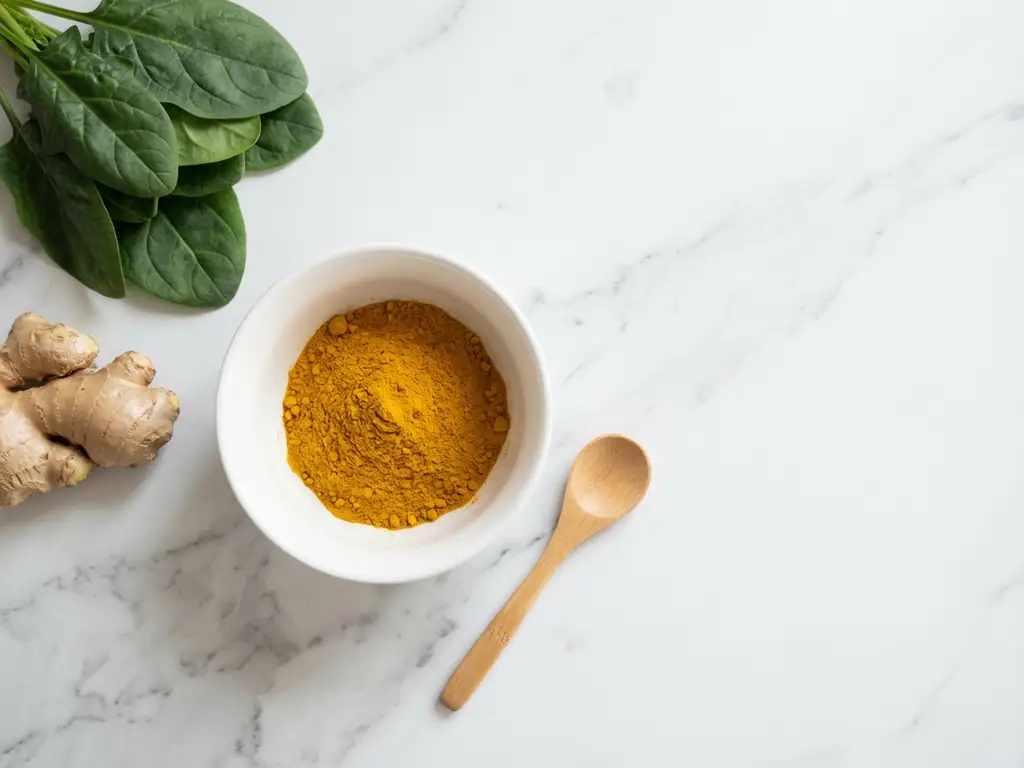
Anti-inflammatory foods that work most quickly include omega-3-rich fish like salmon and sardines, leafy greens such as spinach and kale, antioxidant-rich berries, and spices like turmeric and ginger. These foods contain compounds that can begin reducing inflammatory markers within hours to days of consumption.
Fatty fish provides EPA and DHA omega-3 fatty acids that directly compete with inflammatory omega-6 fatty acids in your body’s biochemical pathways. Studies suggest that these beneficial fats can start influencing inflammation levels within 2–3 hours of consumption and show measurable effects within a few days of regular intake.
Colorful vegetables and fruits contain polyphenols and antioxidants that neutralize free radicals and reduce oxidative stress. Berries, particularly blueberries and cherries, contain anthocyanins that can lower inflammatory markers relatively quickly. Green tea provides catechins that have rapid anti-inflammatory effects, often noticeable the same day.
Spices like turmeric contain curcumin, which can reduce inflammatory enzymes and cytokines. Ginger contains gingerols that have both anti-inflammatory and digestive benefits, making it particularly valuable for those with gut-related inflammation.
How quickly can you reduce inflammation naturally?
Natural inflammation reduction can begin within hours for acute responses, but meaningful changes in chronic inflammation typically take 2–4 weeks of consistent dietary and lifestyle modifications. The timeline depends on the severity of inflammation, individual health status, and how comprehensively you address inflammatory triggers.
For immediate relief, certain interventions can provide benefits within hours to days. Cold therapy, adequate hydration, and consuming anti-inflammatory foods can help reduce acute inflammatory responses quickly. Improving sleep and using stress-reduction techniques can also provide relatively rapid benefits, often noticeable within a few days.
However, addressing chronic inflammation requires more time and consistency. Most people notice improvements in energy levels and digestive comfort within the first week of implementing anti-inflammatory changes. More significant improvements in symptoms like joint pain, skin conditions, and digestive regularity typically become apparent after 2–3 weeks of sustained effort.
The key is maintaining consistency rather than expecting overnight transformation. Your body needs time to repair damaged tissues, rebalance inflammatory pathways, and establish new patterns of cellular function.
What’s the difference between flushing inflammation and managing it long-term?
Flushing inflammation refers to short-term interventions designed to quickly reduce acute inflammatory responses, while long-term management involves sustainable lifestyle changes that prevent chronic inflammation from developing or recurring. Flushing is reactive; management is proactive.
Flushing strategies include temporary elimination diets, increased intake of specific anti-inflammatory foods, short-term supplementation, and intensive lifestyle modifications. These approaches are designed to provide rapid relief but aren’t necessarily sustainable as permanent lifestyle changes.
Long-term inflammation management focuses on creating sustainable habits that maintain low inflammation levels over time. This includes establishing consistent sleep patterns, regular physical activity, stress management techniques, and a balanced diet that naturally includes anti-inflammatory foods without being overly restrictive.
The most effective approach combines both strategies: using targeted flushing techniques during inflammatory flares while building a foundation of long-term management practices that reduce the frequency and severity of future inflammatory episodes.
How does the low FODMAP diet help flush digestive inflammation?
The low FODMAP diet helps flush digestive inflammation by removing fermentable carbohydrates that can trigger inflammatory responses in sensitive individuals, leading to reduced gut inflammation, improved intestinal barrier function, and decreased production of inflammatory compounds within 2–6 weeks of implementation.
FODMAPs (fermentable oligosaccharides, disaccharides, monosaccharides, and polyols) can cause excessive fermentation in the small intestine, leading to gas production, bloating, and inflammatory responses in people with IBS or similar conditions. By temporarily eliminating these trigger foods, the digestive system gets a chance to heal, and inflammation levels can decrease significantly.
The elimination phase of the low FODMAP diet typically lasts 2–6 weeks and often provides noticeable symptom relief within the first week. During this time, the gut lining can begin to repair itself, beneficial bacteria populations can rebalance, and inflammatory markers in the digestive tract often decrease.
Many people experience reduced bloating, improved bowel regularity, and decreased abdominal pain during the elimination phase. The reintroduction phase then helps identify specific FODMAP triggers, allowing for a personalized long-term approach that maintains the anti-inflammatory benefits while maximizing dietary variety.
What lifestyle changes flush inflammation beyond diet?
Key lifestyle changes that rapidly reduce inflammation include prioritizing 7–9 hours of quality sleep, engaging in regular moderate exercise, practicing stress management techniques like meditation or deep breathing, staying adequately hydrated, and avoiding inflammatory triggers like excessive alcohol intake and smoking.
Sleep is particularly crucial because inflammatory markers increase significantly with sleep deprivation. Even one night of poor sleep can elevate inflammatory compounds, while consistent, high-quality sleep helps regulate inflammatory pathways and supports tissue repair.
Exercise provides both immediate and long-term anti-inflammatory benefits. Moderate physical activity triggers the release of anti-inflammatory compounds and helps improve circulation, which aids in the removal of inflammatory waste products. However, excessive high-intensity exercise can temporarily increase inflammation, so balance is important.
Stress management is essential because chronic stress elevates cortisol and other stress hormones that promote inflammation. Techniques like meditation, yoga, deep breathing exercises, and regular relaxation practices can help reduce stress-related inflammation relatively quickly.
Hydration supports the body’s natural detoxification processes and helps flush inflammatory waste products through the kidneys and lymphatic system. Adequate water intake also supports proper digestion and can help reduce gut-related inflammation.
This article is for informational purposes only and is not medical or dietary advice. Please consult a healthcare professional before making any changes to your diet.
Related Articles
- What are the top 10 low FODMAP foods?
- How to heal IBS naturally?
- Where is IBS pain usually felt?
- Smoked Salmon and Scrambled Eggs
- Lactose-Free Berry Smoothie