
Finding the right bedtime snack when you have IBS can feel like navigating a minefield. Your digestive system is already sensitive, and the wrong choice before bed can lead to uncomfortable symptoms that disrupt your sleep. The good news is that with the right knowledge about low-FODMAP options, you can enjoy satisfying evening snacks that support both your digestive health and sleep quality.
Understanding which foods work best for your IBS symptoms at bedtime requires knowing the fundamentals of the FODMAP diet and how timing affects digestion. Let’s explore the key considerations for choosing IBS-friendly bedtime snacks that won’t leave you tossing and turning.
What makes a bedtime snack suitable for IBS sufferers?
A suitable bedtime snack for IBS sufferers should be low in FODMAPs, easy to digest, and consumed at least 2–3 hours before sleep. The ideal snack combines gentle ingredients that won’t trigger symptoms while providing enough satisfaction to prevent late-night hunger pangs.
Several factors make a bedtime snack IBS-friendly. First, portion size matters significantly— even low-FODMAP foods can become problematic in large quantities. Stick to small, measured portions that align with Monash University’s recommended serving sizes. Second, the snack should be relatively low in fat and fiber, as these nutrients require more digestive effort and can cause discomfort when you’re trying to wind down.
Temperature and texture also play important roles. Room-temperature or slightly warm foods are generally easier on sensitive digestive systems than very hot or very cold options. Smooth textures tend to be gentler than rough, chunky, or heavily spiced foods that might irritate an already sensitive gut.
Which low FODMAP foods are best for nighttime snacking?
The best low-FODMAP nighttime snacks include rice cakes with peanut butter, lactose-free yogurt with a small portion of berries, or a handful of almonds. These options provide balanced nutrition while remaining gentle on sensitive digestive systems.
Rice-based snacks are particularly excellent choices because rice is naturally low in FODMAPs and easy to digest. Plain rice cakes topped with a tablespoon of natural peanut butter offer protein and healthy fats without triggering symptoms. You can also try rice crackers with a small portion of aged cheese, which is naturally lower in lactose.
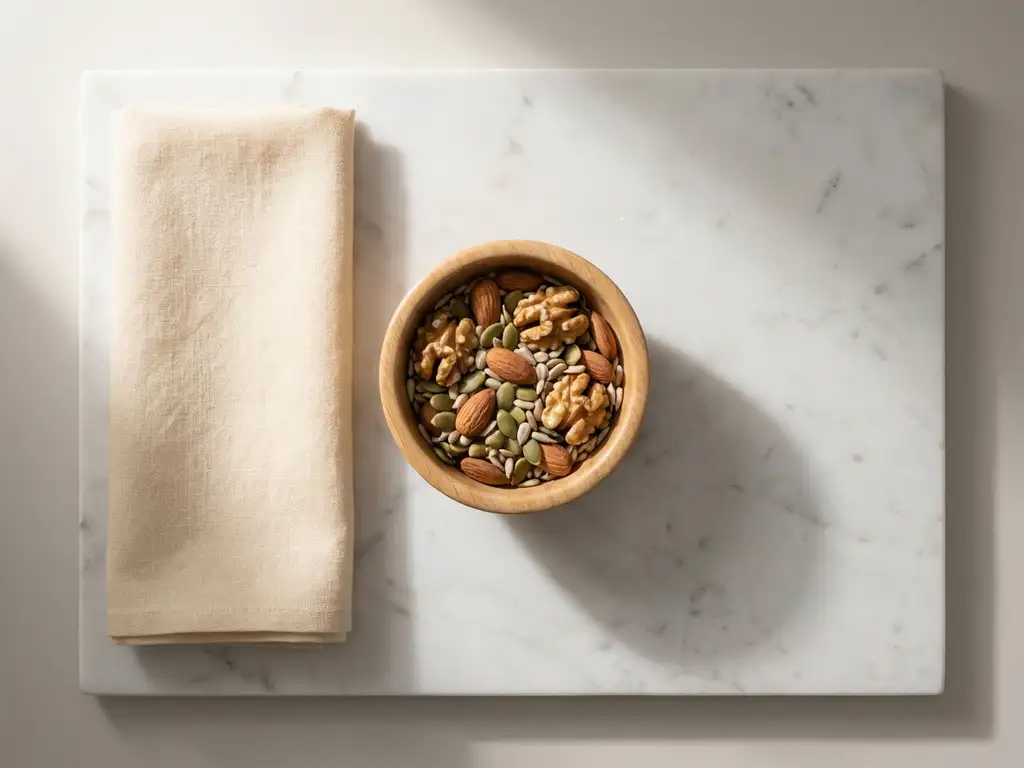
Protein-rich options work well at bedtime because they help stabilize blood sugar throughout the night. A small serving of lactose-free Greek yogurt provides probiotics that may support gut health, while a hard-boiled egg offers complete protein in an easily digestible form. For those who prefer plant-based options, a small handful of almonds or walnuts (limited to about 10–15 nuts) can provide satisfying protein and healthy fats.
Fruit options should be chosen carefully, sticking to low-FODMAP varieties like a small banana, a few strawberries, or a kiwi. These provide natural sweetness and beneficial nutrients without the high fructose content that can trigger IBS symptoms.
How long before bed should you eat your last snack with IBS?
People with IBS should consume their last snack at least 2–3 hours before bedtime to allow adequate time for digestion. This timing helps prevent digestive discomfort from interfering with sleep quality and reduces the risk of nighttime symptoms.
The reasoning behind this timing relates to how digestion affects both IBS symptoms and sleep patterns. When you eat close to bedtime, your digestive system remains active while you’re trying to rest, which can lead to bloating, gas, or abdominal discomfort. For people with IBS, this digestive activity can be particularly disruptive and may trigger symptoms that keep you awake.
Individual tolerance may vary slightly, with some people finding they need a full 3–4 hours between eating and sleeping, while others manage well with 2 hours. Pay attention to your body’s responses and adjust the timing accordingly. If you find yourself getting hungry closer to bedtime, consider whether you need to adjust your dinner timing or portion sizes rather than adding a late snack.
What bedtime snacks should IBS patients avoid?
People with IBS should avoid high-FODMAP foods like apples, wheat-based crackers, large portions of nuts, dairy products containing lactose, and anything high in artificial sweeteners before bed. These foods can trigger symptoms and disrupt sleep quality.
Fruit-based snacks require particular caution. While fruit seems like a healthy choice, many fruits are high in fructose or contain other FODMAPs that can cause problems. Avoid apples, pears, cherries, and dried fruits, which are particularly high in problematic sugars. Stone fruits like peaches and plums should also be avoided, especially in larger portions.
Wheat-based products are another major category to avoid. This includes crackers, cookies, bread, and cereals that contain wheat, rye, or barley. These grains contain fructans, a type of FODMAP that commonly triggers IBS symptoms. Similarly, avoid snacks containing onion or garlic powder, which are often hidden in processed foods.
Dairy products containing lactose can cause significant digestive distress for many IBS sufferers. Regular milk, ice cream, soft cheeses, and yogurt made from regular dairy should be avoided. Additionally, be cautious with sugar-free products containing artificial sweeteners like sorbitol, mannitol, or xylitol, as these can have a laxative effect.
Can certain bedtime snacks actually help with IBS symptoms?
Yes, certain bedtime snacks can help manage IBS symptoms by providing gut-soothing nutrients and supporting digestive health. Snacks containing probiotics, anti-inflammatory ingredients, or gentle fiber can contribute to better gut function overnight.
Lactose-free yogurt with live cultures is one of the most beneficial options, as it provides probiotics that support healthy gut bacteria. These beneficial bacteria can help improve overall digestive function and may reduce IBS symptom severity over time. Choose plain varieties without added sugars or artificial ingredients for the best results.
Ginger-based snacks or a small cup of ginger tea can help soothe digestive discomfort and reduce nausea or bloating. Ginger has natural anti-inflammatory properties and has been shown to support digestive motility. Similarly, peppermint tea (without added sweeteners) can help relax the digestive tract and reduce cramping.
Small portions of oats, such as a few plain oatcakes, provide soluble fiber that can help regulate bowel movements and feed beneficial gut bacteria. The key is keeping portions small to avoid overwhelming the digestive system before sleep.
How do you prepare quick IBS-friendly bedtime snacks?
Preparing quick IBS-friendly bedtime snacks involves keeping simple, low-FODMAP ingredients on hand and combining them in small portions. Focus on ready-to-eat options that require minimal preparation to avoid spending time in the kitchen late in the evening.
Stock your pantry with IBS-friendly staples that can be quickly assembled into satisfying snacks. Keep rice cakes, natural peanut butter, lactose-free yogurt, and small portions of allowed fruits readily available. Pre-portion nuts into small containers to avoid overeating, and consider preparing hard-boiled eggs in advance for quick protein options.
Simple combination ideas include spreading one tablespoon of almond butter on a rice cake, mixing a few berries into lactose-free yogurt, or pairing a small banana with a small handful of almonds. These combinations provide balanced nutrition while remaining gentle on sensitive digestive systems.
For those following the low-FODMAP diet strictly, we recommend keeping a food diary to track which bedtime snacks work best for your individual tolerance levels. This personalized approach helps you identify the most suitable options for your specific needs and symptoms.
This recipe is for informational purposes only and is not medical or dietary advice. Please consult a healthcare professional before making any changes to your diet.
Related Articles
- What is the autoimmune diet?
- Scrambled Eggs with Sun-Dried Tomato Pesto
- Orange and Almond Breakfast Cookies
- Egg and Veggie Breakfast Quesadilla
- Lactose-Free Yogurt Parfait with Blueberries