
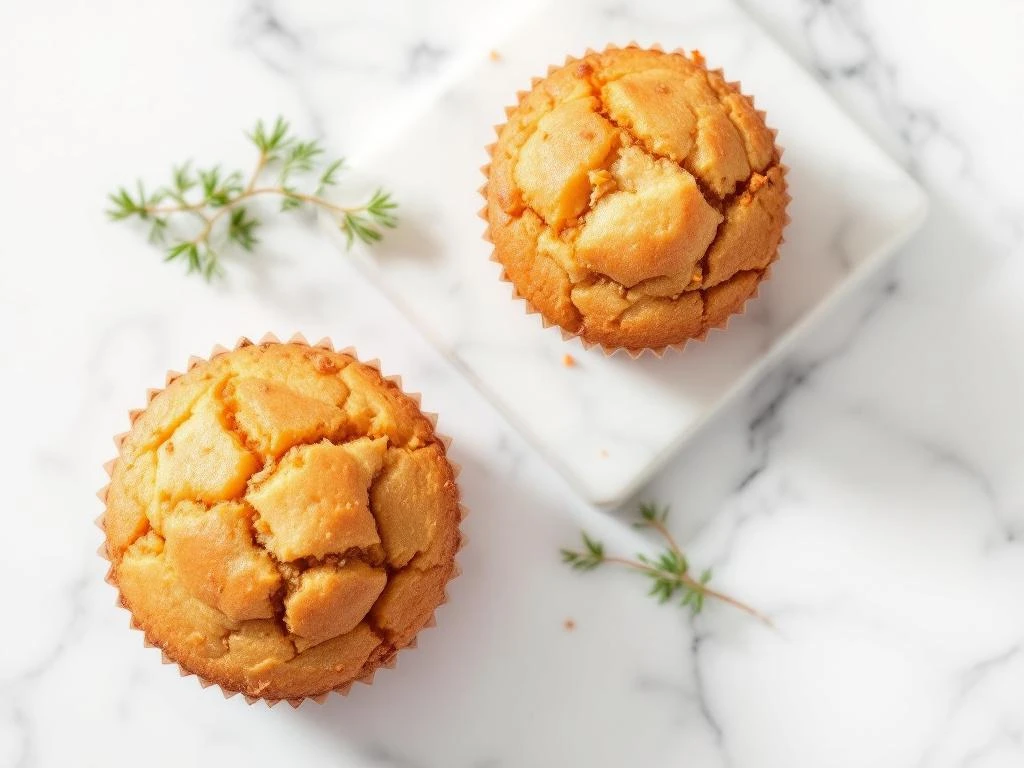
Baking gluten-free carrot pineapple muffins gives you a delicious breakfast or snack that won’t trigger IBS symptoms. These muffins combine the natural sweetness of carrots and pineapple with gluten-free flour to create a treat that’s gentle on your digestive system. The recipe works well for beginners and takes about 45 minutes from start to finish, including baking time.
You’ll need basic baking equipment like mixing bowls, measuring cups, a grater, and a muffin tin. The ingredients are simple and low FODMAP compliant, which means you can enjoy these muffins without worrying about uncomfortable digestive reactions. This recipe makes 12 muffins that stay fresh for several days or freeze well for meal prep.
Why these gluten-free carrot pineapple muffins work
These low FODMAP muffins succeed because they use ingredients that are gentle on sensitive digestive systems while delivering great taste. Carrots provide natural sweetness and fibre without the high FODMAP content found in many fruits. Pineapple adds tropical flavour and moisture, keeping the muffins tender even without gluten.
The gluten-free flour blend creates a structure that holds together well. Traditional wheat flour contains gluten proteins that can cause problems for people with IBS or gluten sensitivity. Our gluten-free approach means you get the texture you want without the digestive discomfort.
The combination works particularly well because the moisture from grated carrots and crushed pineapple prevents the dry, crumbly texture that sometimes affects gluten-free baking. The natural sugars in these ingredients also mean you need less added sweetener, making the muffins suitable for anyone managing their sugar intake alongside IBS symptoms.
Gather your ingredients and baking tools
Start by collecting everything you need before you begin mixing. This makes the baking process smoother and helps you avoid mistakes.
Low FODMAP ingredients you’ll need:
- 250g gluten-free flour blend (check it contains xanthan gum)
- 150g grated carrots (about 2 medium carrots)
- 120g crushed pineapple, well drained
- 2 large eggs at room temperature
- 100ml lactose-free milk
- 80ml vegetable oil or melted coconut oil
- 100g brown sugar or coconut sugar
- 1 teaspoon baking powder
- 1/2 teaspoon bicarbonate of soda
- 1 teaspoon ground cinnamon
- 1/4 teaspoon salt
Essential baking equipment:
- 12-cup muffin tin with paper cases
- Two mixing bowls (one large, one medium)
- Box grater or food processor for carrots
- Measuring cups and spoons
- Whisk and wooden spoon
- Fine mesh sieve for draining pineapple
Take your eggs and milk out of the fridge 30 minutes before baking. Room temperature ingredients mix more evenly into gluten-free batters. Preheat your oven to 180°C (350°F) while you prepare the ingredients.
Measuring tips for gluten-free success
Weigh your gluten-free flour rather than using cup measurements. Gluten-free flour is lighter than wheat flour, so volume measurements can be inaccurate. Too much flour makes dry muffins, whilst too little creates a gummy texture.
Press the crushed pineapple firmly in the sieve to remove excess liquid. You want the pineapple moist but not dripping wet. Too much liquid throws off the batter consistency in gluten-free recipes.
Prepare the carrot and pineapple mixture
Peel your carrots and grate them using the medium holes on your box grater. You want pieces that are small enough to bake through but large enough to add texture. Very fine shreds can disappear into the batter, whilst chunks that are too large won’t cook properly.
Place the grated carrots in a bowl and set aside. The carrots will release some moisture as they sit, which is normal and actually helps keep the muffins moist.
Drain your crushed pineapple thoroughly using a fine mesh sieve. Press down with the back of a spoon to squeeze out the juice. Save the juice for smoothies or drinking later. You should have about 120g of well-drained pineapple that feels moist but not wet.
Combining the wet ingredients
Crack your eggs into the large mixing bowl. Whisk them until the yolks and whites are fully combined. Add the sugar and whisk for about 30 seconds until the mixture looks slightly lighter in colour.
Pour in the oil and lactose-free milk. Whisk everything together until you have a smooth, uniform mixture. The oil might want to separate at first, but keep whisking until it’s fully incorporated.
Add the grated carrots and drained pineapple to the wet mixture. Stir gently with a wooden spoon until the fruit is evenly distributed throughout the liquid. This ensures every muffin gets a good amount of carrot and pineapple.
Mix the gluten-free muffin batter
In your medium bowl, combine all the dry ingredients. Add the gluten-free flour, baking powder, bicarbonate of soda, cinnamon, and salt. Whisk these together for about 20 seconds to distribute the leavening agents evenly. This step is important because gluten-free batters don’t get kneaded like regular dough, so you need to mix the dry ingredients well before adding liquid.
Pour the dry ingredients into the bowl with your wet mixture. Use a wooden spoon or spatula to fold everything together. Stop mixing as soon as you no longer see dry flour. The batter should look slightly lumpy and thick, similar to porridge consistency.
Overmixing is the biggest mistake in gluten-free baking. Unlike wheat flour, gluten-free flour doesn’t develop tough gluten strands, but overmixing can still create dense, heavy muffins. About 15 to 20 gentle folds should be enough to combine everything.
Checking your batter consistency
The batter should be thick enough to hold its shape when you scoop it but still drop slowly from the spoon. If it’s too thick and won’t drop at all, add a tablespoon of lactose-free milk and fold it in gently. If it’s too thin and runny, this usually means the pineapple wasn’t drained enough, but you can still bake the muffins (they might just take a few extra minutes).
Line your muffin tin with paper cases. Divide the batter evenly among the 12 cups, filling each about two-thirds full. An ice cream scoop works brilliantly for this and keeps the portions consistent.
Bake and test for perfect doneness
Place your muffin tin on the middle rack of your preheated 180°C oven. Set a timer for 20 minutes. Gluten-free muffins typically bake faster than regular muffins, so checking early prevents overbaking.
After 20 minutes, look at the muffins through the oven door without opening it. They should be rising and starting to turn golden brown on top. If they still look pale and wet, give them another 3 to 5 minutes.
At the 23-minute mark, open the oven and do the toothpick test. Insert a wooden toothpick or thin skewer into the centre of a middle muffin. Pull it out and look at it. You want to see a few moist crumbs clinging to the toothpick, but no wet batter. If you see wet batter, bake for another 2 minutes and test again.
Visual cues for perfect muffins
Properly baked carrot pineapple muffins have golden brown tops that spring back when you gently press them with your finger. The edges should pull away slightly from the paper cases. You might see small cracks on the surface, which is normal and actually indicates a good rise.
The muffins should smell sweet and spiced with cinnamon. If you smell burning, they’ve gone too long. Remove them immediately even if the toothpick test isn’t perfect yet.
Cooling for best texture
Leave the muffins in the tin for 5 minutes after removing them from the oven. This resting time lets them firm up enough to handle without falling apart. Gluten-free baked goods are more fragile when hot.
After 5 minutes, lift each muffin out of the tin and place it on a wire cooling rack. Let them cool for at least 15 minutes before eating. This cooling period allows the structure to set properly. Muffins eaten too hot can seem gummy in the middle, but they firm up beautifully as they cool.
Store and enjoy your low FODMAP muffins
Once your muffins are completely cool, store them in an airtight container at room temperature. They stay fresh for up to 3 days this way. Don’t refrigerate them, as this can dry them out and make the texture unpleasant.
For longer storage, freeze the muffins individually. Wrap each cooled muffin in cling film, then place all wrapped muffins in a freezer bag. They keep well for up to 3 months in the freezer. This makes them perfect for meal prep when you want quick, IBS-friendly breakfasts ready to go.
Reheating without losing moisture
To reheat a frozen muffin, remove the cling film and microwave it for 30 to 45 seconds on medium power. The muffin should feel warm throughout but not hot. Overheating makes gluten-free baked goods tough and dry.
You can also thaw muffins overnight in the fridge, then warm them in a 150°C oven for 5 minutes. This method gives you a slightly crispy top whilst keeping the inside moist.
Serving suggestions that stay low FODMAP
These muffins taste wonderful on their own, but you can add toppings if you want extra flavour. Spread a thin layer of lactose-free butter on a warm muffin, or try a small amount of low FODMAP nut butter like peanut or almond butter (check portion sizes, as nuts have FODMAP limits).
Pair your muffin with a cup of herbal tea or black coffee for a satisfying breakfast. The muffins also work well as a portable snack when you’re out and need something gentle on your stomach.
Avoid adding high FODMAP toppings like honey, agave syrup, or regular yoghurt. Stick with maple syrup in small amounts if you want extra sweetness, as it’s low FODMAP in servings up to one tablespoon.
Gluten-free carrot pineapple muffins
Cooking Time: 25 minutes | Portions: 12 muffins
Ingredients:
- 250g gluten-free flour blend with xanthan gum
- 150g grated carrots
- 120g crushed pineapple, well drained
- 2 large eggs, room temperature
- 100ml lactose-free milk
- 80ml vegetable or coconut oil
- 100g brown sugar
- 1 teaspoon baking powder
- 1/2 teaspoon bicarbonate of soda
- 1 teaspoon ground cinnamon
- 1/4 teaspoon salt
Steps:
- Preheat oven to 180°C and line a 12-cup muffin tin with paper cases
- Grate carrots and drain pineapple thoroughly, pressing out excess liquid
- Whisk eggs and sugar in a large bowl, then add oil and milk
- Stir grated carrots and drained pineapple into the wet mixture
- Combine all dry ingredients in a separate bowl and whisk together
- Pour dry ingredients into wet mixture and fold gently until just combined
- Divide batter evenly among muffin cups, filling each two-thirds full
- Bake for 23 to 25 minutes until golden and a toothpick comes out with moist crumbs
- Cool in tin for 5 minutes, then transfer to a wire rack
- Store in an airtight container for up to 3 days or freeze for up to 3 months
This recipe is for informational purposes only and is not medical or dietary advice. Please consult a healthcare professional before making any changes to your diet.
Related Articles
- What food calms an IBS flare-up?
- Is coffee safe on a low-FODMAP diet?
- Is Greek yogurt anti-inflammatory?
- Which milk is best for IBS?
- Gluten-Free Waffles with Maple Syrup