
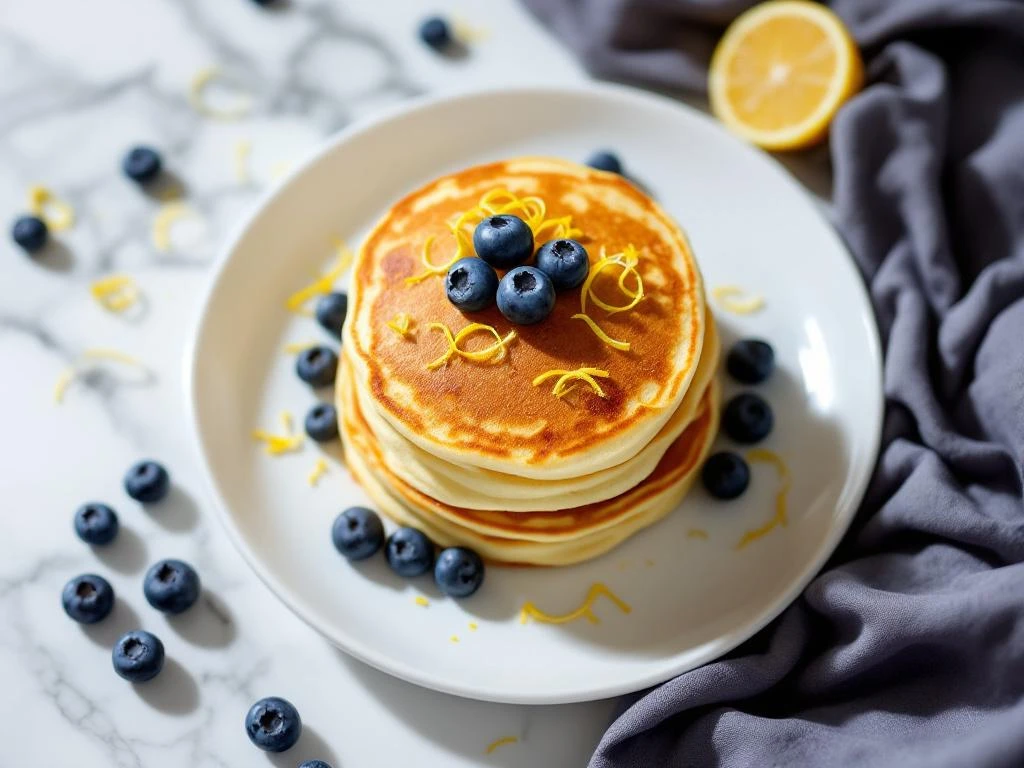
These gluten-free blueberry lemon pancakes deliver the fluffy texture and bright flavour you crave without triggering digestive discomfort. Perfect for anyone following a low FODMAP diet or managing IBS symptoms, this recipe uses simple substitutions that keep your stomach happy whilst maintaining that classic pancake experience. You’ll need about 30 minutes from start to finish, including prep and cooking time. This beginner-friendly recipe requires basic kitchen tools like a mixing bowl, whisk, and non-stick pan. By the end, you’ll have a stack of golden pancakes that prove gut-friendly eating doesn’t mean sacrificing taste or satisfaction.
Why these pancakes work for sensitive stomachs
Regular pancake recipes often contain wheat flour, regular milk, and high FODMAP ingredients that trigger bloating and discomfort. This gluten-free pancakes recipe swaps those problem ingredients for gut-friendly alternatives without compromising texture or taste.
The gluten-free flour blend replaces wheat flour, eliminating the gluten that many people with IBS struggle to digest. We use a mix of rice flour and tapioca starch, which creates a light, fluffy texture similar to traditional pancakes. Adding a small amount of xanthan gum helps bind the batter since gluten-free flours lack the natural binding properties of wheat.
For the liquid component, lactose-free milk or almond milk keeps these pancakes FODMAP friendly. Both options work beautifully in the batter and won’t cause the digestive upset that regular dairy milk can trigger. Fresh blueberries add natural sweetness and moisture, whilst lemon zest brightens the flavour without any harsh acidity that might bother sensitive stomachs.
The key to making these IBS friendly pancakes successful lies in the proper ratio of wet to dry ingredients. Too much liquid makes them gummy, whilst too little creates dense, heavy pancakes. This recipe strikes the right balance for consistently good results.
Gather your gluten-free pancake ingredients
Having everything measured and ready before you start mixing makes the process smooth and prevents mistakes. Here’s what you need for about 8 medium pancakes:
Dry ingredients:
- 150g gluten-free flour blend (look for blends containing rice flour and tapioca starch)
- 2 tablespoons caster sugar
- 2 teaspoons baking powder (check it’s gluten-free)
- 1/4 teaspoon xanthan gum (skip if your flour blend already contains it)
- Pinch of salt
- Zest of 1 lemon
Wet ingredients:
- 240ml lactose-free milk or almond milk
- 1 large egg
- 2 tablespoons melted lactose-free butter or vegetable oil
- 1/2 teaspoon vanilla extract
Add-ins:
- 100g fresh blueberries (frozen work too, but don’t thaw them first)
Choose a gluten-free flour blend specifically designed for baking rather than single-grain flours. Pre-mixed blends give more consistent results because they combine different flours and starches in tested ratios. If you can’t find xanthan gum, the pancakes will still work but might be slightly more fragile when flipping.
For the milk, stick with lactose-free dairy milk if you want a richer flavour, or use almond milk for a lighter option. Avoid coconut milk unless you want a strong coconut taste. Room temperature ingredients mix together more easily than cold ones straight from the fridge.
Mix the batter for fluffy pancakes
Proper mixing technique makes the difference between light, fluffy pancakes and dense, heavy ones. Gluten-free batters behave differently than wheat-based batters, so follow these steps carefully.
Whisk all your dry ingredients together in a large bowl. Make sure the baking powder distributes evenly throughout the flour, as this creates even rising. Add the lemon zest to the dry ingredients and mix it through.
In a separate bowl, beat the egg lightly with a fork. Add the milk, melted butter, and vanilla extract. Whisk until everything combines smoothly. The butter might solidify slightly when it hits the cold milk, but that’s fine.
Pour the wet ingredients into the dry ingredients. Stir gently with a wooden spoon or spatula until just combined. The batter should look slightly lumpy, not smooth. Don’t overmix, even though you might be tempted to smooth out all the lumps. Overmixing creates tough, rubbery pancakes.
Let the batter rest for 10 minutes. This resting time allows the gluten-free flour to absorb the liquid fully, which improves texture. The batter will thicken slightly as it sits. After resting, gently fold in the blueberries. Don’t stir vigorously or you’ll crush the berries and turn the batter purple.
The finished batter should be thick but pourable, similar to double cream. If it seems too thick, add milk one tablespoon at a time. Too thin, and the pancakes will spread out flat instead of staying nice and thick.
Cook perfect gluten-free pancakes every time
Temperature control and timing are crucial for achieving golden-brown pancakes that cook through without burning. Heat a non-stick frying pan or griddle over medium heat. Let it warm up for at least 2 minutes before adding any batter.
Test if the pan is ready by flicking a few drops of water onto the surface. They should sizzle and evaporate quickly but not instantly. Add a small knob of lactose-free butter or a teaspoon of oil to the pan. Swirl it around to coat the surface lightly.
Pour about 60ml of batter per pancake into the pan. A small ladle or measuring cup helps keep portions consistent. Don’t spread the batter out, let it settle into a round shape naturally. Leave space between pancakes so they don’t merge together.
Watch for bubbles to form on the surface. This takes about 2 to 3 minutes. When you see bubbles appearing across most of the pancake and the edges look set and slightly dry, it’s time to flip. The underside should be golden brown.
Flip the pancake with a wide spatula in one confident motion. Cook the second side for another 1 to 2 minutes until golden. The second side always cooks faster than the first. Press gently on the centre with your spatula. If it springs back, the pancake is cooked through.
Keep finished pancakes warm on a plate covered with a clean tea towel whilst you cook the remaining batter. Add a tiny bit more butter or oil to the pan between batches if needed. Adjust the heat down slightly if pancakes are browning too quickly, or up if they’re taking too long to cook.
Troubleshoot common pancake problems
Even experienced cooks run into pancake challenges. Here’s how to fix the most common issues with this low FODMAP pancakes recipe.
Pancakes falling apart when flipping: Your batter is probably too thin or you’re flipping too early. Let the bubbles fully form and the edges set completely before attempting to flip. Add another tablespoon of flour to thicken the batter for your next batch.
Dense, heavy texture: This usually means overmixing. The batter should stay lumpy when you finish stirring. Make sure your baking powder is fresh, as old baking powder loses its lifting power. Check the expiry date on the tin.
Sticking to the pan: Your pan isn’t hot enough, or you need more fat. Make sure the pan reaches proper temperature before adding batter. Use a proper non-stick pan and add butter or oil before each batch. Spray oil works well for keeping pancakes from sticking.
Burning on the outside, raw inside: Your heat is too high. Turn it down to medium or even medium-low. Gluten-free pancakes need gentler heat than wheat pancakes. They take slightly longer to cook through, so patience prevents burning.
Spreading too thin: The batter is too runny. This happens when you add too much milk or don’t let the batter rest long enough. Whisk in more flour one tablespoon at a time until you get a thicker consistency.
Blueberries sinking to the bottom: Toss the blueberries in a teaspoon of flour before folding them into the batter. This light coating helps them stay suspended throughout the pancake instead of sinking.
Serve and store your blueberry lemon pancakes
These FODMAP friendly breakfast pancakes taste best served warm, but proper storage means you can enjoy them throughout the week. Stack them on a plate and top with your favourite low FODMAP accompaniments.
Safe topping options include pure maple syrup, a small amount of lactose-free butter, extra fresh blueberries, or a squeeze of lemon juice. Avoid honey during the elimination phase, as it contains high FODMAP sugars. A dusting of icing sugar adds sweetness without triggering symptoms.
For a more substantial breakfast, serve alongside scrambled eggs or lactose-free yoghurt with a sprinkle of cinnamon. Fresh strawberries or raspberries work beautifully too, as berries are generally low FODMAP in small portions.
Store leftover pancakes in an airtight container in the fridge for up to 3 days. Layer parchment paper between pancakes to prevent them sticking together. Reheat in a toaster, toaster oven, or microwave for 20 to 30 seconds. The toaster method crisps up the edges nicely.
These pancakes freeze brilliantly for meal prep. Let them cool completely, then arrange in a single layer on a baking tray. Freeze until solid, about 2 hours. Transfer frozen pancakes to a freezer bag, removing as much air as possible. They’ll keep for up to 3 months.
Reheat frozen pancakes directly from the freezer. Pop them in the toaster for 2 to 3 minutes, or microwave for 45 to 60 seconds. They taste almost as good as fresh, making weekend batch cooking worthwhile for busy mornings.
This gluten-free breakfast recipe proves that following a restrictive diet doesn’t mean missing out on comfort food favourites. With the right ingredients and techniques, you can enjoy pancakes that are just as delicious as traditional versions whilst keeping your digestive system comfortable.
Gluten-free blueberry lemon pancakes
Cooking time: 30 minutes | Portions: 8 pancakes
Ingredients:
- 150g gluten-free flour blend
- 2 tablespoons caster sugar
- 2 teaspoons gluten-free baking powder
- 1/4 teaspoon xanthan gum
- Pinch of salt
- Zest of 1 lemon
- 240ml lactose-free milk or almond milk
- 1 large egg
- 2 tablespoons melted lactose-free butter or vegetable oil
- 1/2 teaspoon vanilla extract
- 100g fresh blueberries
Method:
- Whisk dry ingredients (flour, sugar, baking powder, xanthan gum, salt, lemon zest) in a large bowl
- Mix wet ingredients (milk, egg, butter, vanilla) in a separate bowl
- Pour wet into dry ingredients and stir until just combined, leaving lumps
- Let batter rest for 10 minutes to thicken
- Gently fold in blueberries
- Heat non-stick pan over medium heat with butter or oil
- Pour 60ml batter per pancake into pan
- Cook 2 to 3 minutes until bubbles form and edges set
- Flip and cook another 1 to 2 minutes until golden
- Serve warm with low FODMAP toppings or store for later
This recipe is for informational purposes only and is not medical or dietary advice. Please consult a healthcare professional before making any changes to your diet.
Related Articles
- Peanut Butter Banana Bread
- What do you eat on a low FODMAP diet?
- What does IBS poop look like?
- Is scrambled egg on toast good for IBS?
- Gluten-Free Waffles with Maple Syrup