
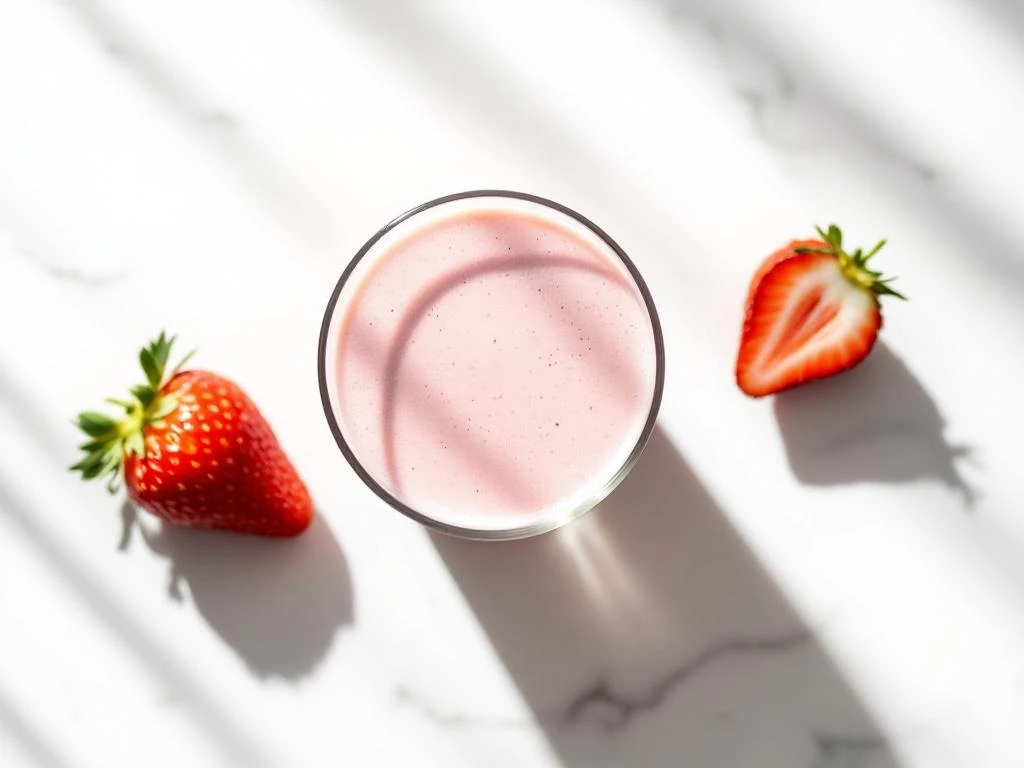
When you’re managing IBS symptoms, breakfast can feel like a minefield. This strawberry coconut smoothie gives you a quick, delicious option that won’t trigger digestive issues. You’ll blend it in about 5 minutes using simple, gut-friendly ingredients.
This recipe is beginner-friendly and requires no special cooking skills. You’ll need a blender, measuring cups, and a few low FODMAP ingredients. The result is a creamy, naturally sweet smoothie that fits perfectly into your elimination phase or maintenance diet.
Why this strawberry coconut smoothie works for IBS
Strawberries are low FODMAP in portions up to 10 medium berries (140g). They contain natural sugars that your gut can handle without causing bloating or discomfort. Unlike high FODMAP fruits such as apples or mangoes, strawberries won’t ferment in your digestive system.
Coconut milk provides creaminess without lactose. Regular dairy milk contains lactose, a FODMAP that triggers symptoms in many people with IBS. Canned coconut milk (the full-fat kind) is naturally lactose-free and adds healthy fats that help you feel satisfied.
This smoothie works during both elimination and reintroduction phases. The ingredients are gentle on your digestive system while providing vitamin C, fibre, and potassium. You get nutritional benefits without the worry of triggering an IBS flare.
The combination of strawberries and coconut creates natural sweetness without added sugars. Many commercial smoothies contain honey, agave, or high FODMAP fruits that can cause problems. This IBS friendly smoothie lets you enjoy something sweet whilst staying within safe limits.
Gather your low FODMAP smoothie ingredients
You’ll need these FODMAP-safe ingredients for one serving:
- 10 medium strawberries (about 140g), fresh or frozen
- 120ml canned coconut milk (full-fat, not the carton kind)
- 120ml lactose-free milk or water
- 1 tablespoon maple syrup (optional, for extra sweetness)
- 4-5 ice cubes (if using fresh strawberries)
Choose canned coconut milk rather than coconut milk from a carton. The canned version is pure coconut extract without additives that might contain FODMAPs. Check the label to make sure it only lists coconut and water.
For the liquid base, lactose-free milk works well if you want extra creaminess. Plain water keeps it lighter whilst still being delicious. Avoid almond milk in large amounts as it becomes high FODMAP above 250ml.
Frozen strawberries make your smoothie thick and cold without extra ice. Fresh strawberries work just as well, but you’ll need those ice cubes for the right texture. Both options are equally nutritious and low FODMAP compliant.
Skip these high FODMAP additions: honey, regular milk, yoghurt with lactose, protein powders with inulin, and fruits like bananas or mangoes. These ingredients can turn your safe smoothie into a symptom trigger.
Safe substitutions that maintain FODMAP compliance
Replace strawberries with blueberries (40g maximum), raspberries (60g maximum), or kiwi fruit (2 small). These alternatives stay within low FODMAP limits whilst changing the flavour profile.
Swap coconut milk for lactose-free yoghurt (170g portion) if you want a tangier taste. Make sure the yoghurt doesn’t contain high FODMAP thickeners like inulin or chicory root.
Blend your strawberry coconut smoothie in 5 minutes
Add the liquid ingredients to your blender first. Pour in the coconut milk and your choice of lactose-free milk or water. This prevents the blender blades from jamming and helps everything mix smoothly.
Drop in the strawberries next. If you’re using frozen berries, let them sit for 30 seconds to slightly thaw. This makes blending easier and reduces strain on your blender motor.
Add ice cubes if you’re using fresh strawberries. Include the maple syrup now if you want extra sweetness. Put the lid on securely before starting the blender.
Blend on low speed for 10 seconds to break up the larger pieces. Increase to high speed and blend for 30-45 seconds until completely smooth. You shouldn’t see any strawberry chunks or ice pieces.
Stop the blender and check the consistency. Your strawberry coconut smoothie should coat the back of a spoon but still pour easily. If it’s too thick, add 2 tablespoons of water and blend for another 10 seconds. If it’s too thin, add 2-3 more ice cubes and blend again.
Getting the perfect texture
For a thicker, spoonable consistency, reduce the liquid to 100ml total and add an extra handful of ice. This creates a smoothie bowl texture that you can top with low FODMAP granola.
Want it colder? Freeze your coconut milk in ice cube trays the night before. Use these instead of regular ice cubes for extra coconut flavour without dilution.
If your blender struggles with frozen fruit, let the strawberries thaw for 5 minutes before blending. You can also pulse the blender several times to break up frozen pieces before switching to continuous blending.
Customise your smoothie whilst staying low FODMAP
Add protein without triggering symptoms by using 1 tablespoon of smooth peanut butter (low FODMAP up to 2 tablespoons). This makes your smoothie more filling and adds healthy fats. Avoid almond butter in large amounts as it can become problematic above 1 tablespoon.
Boost the coconut flavour with 1 teaspoon of vanilla extract. This adds depth without any FODMAPs. You can also sprinkle in a pinch of cinnamon for warmth, but skip the nutmeg as it can irritate sensitive stomachs.
Make it a green smoothie by adding 30g of fresh spinach. This amount stays low FODMAP whilst adding iron and vitamins. The strawberry flavour completely masks the spinach taste, making it perfect if you’re not keen on vegetable flavours.
For a protein boost, add one scoop of low FODMAP protein powder. Choose options without inulin, chicory root, or sugar alcohols ending in “ol” (like sorbitol or xylitol). Rice protein or plain whey protein isolate usually work well.
Thickness adjustments for different preferences
Create a thin, drinkable smoothie by increasing the liquid to 180ml total. This works well if you’re drinking it on the go or prefer lighter textures.
Make it extra thick by adding 2 tablespoons of rolled oats (gluten-free if needed). Oats are low FODMAP up to 52g and add fibre that helps with digestion. Let the smoothie sit for 2 minutes after blending so the oats soften.
Adapting for other dietary needs
This recipe is naturally gluten-free and lactose-free. For a completely dairy-free version, use water instead of lactose-free milk. The coconut milk provides enough creaminess on its own.
If you’re avoiding all added sugars, skip the maple syrup. The strawberries provide natural sweetness that most people find satisfying. You can also try a small amount of stevia, which is low FODMAP and doesn’t affect blood sugar.
Need more calories? Double the coconut milk and reduce the water. This creates a richer, more substantial smoothie that works as a complete breakfast rather than just a drink.
This easy strawberry smoothie gives you a reliable breakfast option that tastes good and feels good. You can make it quickly on busy mornings without worrying about ingredient lists or symptom triggers. The coconut milk smoothie base works with many other low FODMAP fruits, so you can rotate flavours whilst staying safe.
Try making a batch of frozen strawberry portions in advance. Measure out 140g servings in small containers and freeze them. When you want a smoothie, just grab a portion and blend. This saves time and ensures you’re always using the correct low FODMAP serving size.
Strawberry coconut smoothie
Cooking time: 5 minutes | Portions: 1 serving
- 10 medium strawberries (140g), fresh or frozen
- 120ml canned coconut milk (full-fat)
- 120ml lactose-free milk or water
- 1 tablespoon maple syrup (optional)
- 4-5 ice cubes (if using fresh strawberries)
Instructions:
- Add coconut milk and lactose-free milk (or water) to blender
- Add strawberries, ice cubes, and maple syrup if using
- Blend on low for 10 seconds, then high for 30-45 seconds until smooth
- Check consistency and adjust with water or ice as needed
- Pour into glass and enjoy immediately
This recipe is for informational purposes only and is not medical or dietary advice. Please consult a healthcare professional before making any changes to your diet.