
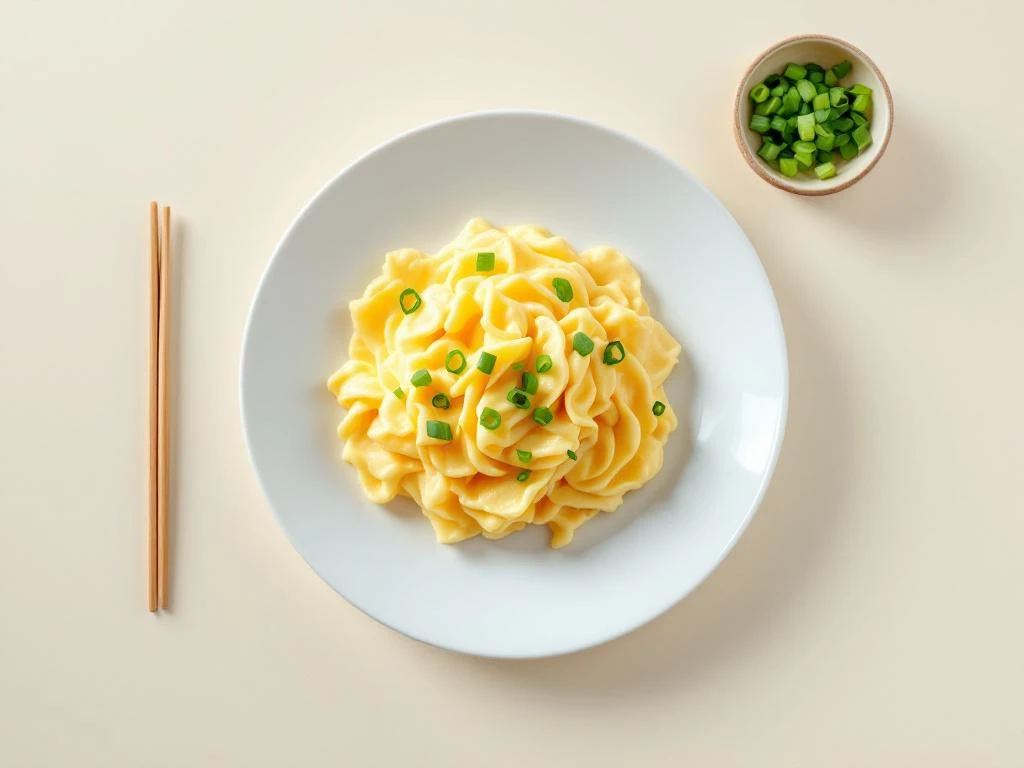
Making a quick, satisfying breakfast when you have IBS can feel tricky. Scrambled eggs with green onions solve that problem perfectly. This simple dish takes about 10 minutes from start to finish and uses ingredients that won’t trigger digestive symptoms. You’ll get a protein-rich meal that tastes great and keeps you feeling comfortable all morning.
This guide is perfect for beginners who want to learn the proper technique for fluffy scrambled eggs. You’ll need basic kitchen tools like a non-stick pan and a whisk. The most important skill you’ll learn is how to identify which parts of green onions are safe for your low FODMAP diet.
Why scrambled eggs with green onions work for IBS
Green onions create confusion for many people following a low FODMAP diet. The white bulbs contain high amounts of fructans that trigger IBS symptoms. The green tops are completely safe to eat. This makes them perfect for adding fresh flavour to your scrambled eggs without any digestive discomfort.
Eggs provide high-quality protein that’s easy to digest. They contain all nine essential amino acids your body needs. The protein helps you feel full longer and supports stable energy levels throughout your morning. Eggs also contain vitamins B12 and D, which many people with digestive issues struggle to absorb properly.
This quick breakfast recipe supports symptom management in several ways. Starting your day with protein helps regulate blood sugar and prevents the energy crashes that can worsen IBS symptoms. The gentle cooking method creates a soft texture that’s easy on your digestive system. You’ll have a satisfying meal ready in minutes, which reduces morning stress that often triggers symptoms.
What you need for perfect scrambled eggs
The ingredient list for this IBS friendly breakfast stays simple and safe. Here’s what you’ll need for two servings:
- 4 large eggs
- Green parts of 2-3 green onions only (about 3 tablespoons sliced)
- 1 tablespoon lactose-free butter or suitable cooking oil
- Pinch of salt
- Freshly ground black pepper to taste
Your kitchen tools matter for achieving the right texture. Gather these items before you start:
- Medium non-stick pan (prevents sticking and reduces oil needs)
- Whisk or fork for beating eggs
- Silicone or wooden spatula for gentle stirring
- Small bowl for whisking
- Sharp knife and cutting board
Important preparation note: Learning to separate green onion parts correctly is essential. The green tops are hollow and bright green. The white bulb section starts where the green becomes pale and solid. Cut away all white and light green portions. Only use the dark green hollow tubes. When in doubt, discard the questionable section to stay safe.
Prepare your ingredients for cooking
Crack your eggs into a small bowl. Check each egg for shell fragments before adding the next one. This saves you from fishing out shells later. Use your whisk or fork to beat the eggs thoroughly until the yolks and whites combine completely. You should see no streaks of clear egg white remaining. The mixture should look uniformly yellow.
Examine your green onions carefully. Hold each onion and identify where the dark green hollow section meets the lighter, solid base. Use your sharp knife to cut away everything below the dark green part. Slice the green tops into thin rounds, about 1/4 inch thick. You should have roughly 3 tablespoons of sliced green tops.
Measure your lactose-free butter or oil now. Having it ready means you won’t rush once the pan heats up. Add your salt and pepper to the beaten eggs and give them one more quick whisk. This distributes the seasoning evenly throughout.
Place all your prepared ingredients near the cooker. Scrambled eggs cook quickly, so you won’t have time to hunt for items once you start. This preparation step makes the actual cooking smooth and stress-free.
Cook fluffy scrambled eggs step-by-step
Place your non-stick pan on the burner and set the heat to medium-low. This temperature setting is crucial for creamy scrambled eggs. High heat cooks eggs too fast and makes them rubbery. Let the pan warm for about one minute.
Add your butter or oil to the pan. Tilt the pan gently to spread the fat across the bottom surface. The butter should melt slowly and foam lightly. If it sizzles loudly or browns, your heat is too high. Remove the pan from the heat for 30 seconds to cool it down.
Pour your whisked eggs into the pan. Let them sit undisturbed for about 20 seconds. You’ll see the edges just beginning to set. Now start stirring gently with your spatula. Use a folding motion, pushing the cooked eggs from the edges toward the centre. The liquid egg will flow to the hot pan surface.
Continue this gentle stirring every 15-20 seconds. The low and slow technique is your secret to fluffy scrambled eggs. You’ll see soft curds forming. The eggs will look wet and glossy. When the eggs are about 80% cooked but still quite moist, add your sliced green onions.
Stir the green onions through the eggs and cook for another 30-45 seconds. Remove the pan from heat when the eggs still look slightly underdone. They’ll continue cooking from residual heat. The final texture should be soft, moist curds that hold together loosely. You’ve succeeded when the eggs look creamy rather than dry.
Avoid common scrambled egg mistakes
Rubbery, overcooked eggs happen when the heat is too high or you cook them too long. If your eggs turn out tough, reduce your burner temperature next time. Remove the pan from heat earlier, even when the eggs look too wet. The carryover cooking will finish them perfectly.
Watery scrambled eggs mean you didn’t cook them long enough or you added liquid to the raw eggs. Never add milk or water to your egg mixture for low FODMAP scrambled eggs. The eggs contain enough moisture on their own. If your eggs release water on the plate, cook them 30 seconds longer next time before removing from heat.
Uneven cooking creates some parts that are rubbery while others stay raw. This happens when you don’t stir often enough or your pan has hot spots. Stir more frequently and make sure you’re scraping all areas of the pan bottom. A quality non-stick pan prevents this problem.
Burnt eggs result from excessive heat. If you see brown bits forming, your temperature is definitely too high. Medium-low heat feels painfully slow at the start, but it’s the only way to achieve restaurant-quality results. The entire cooking process should take 4-5 minutes for four eggs.
Bland scrambled eggs need more seasoning. Add salt and pepper to your raw eggs, not just at the end. This distributes flavour throughout. The green onions add a mild, fresh taste, but don’t skip the salt. It enhances the natural egg flavour significantly.
Serve and customize your low FODMAP breakfast
Serve your scrambled eggs with green onions immediately for the best texture. They pair beautifully with low FODMAP toast made from sourdough spelt or gluten-free bread. One or two slices keeps your portion within safe limits. Spread your toast with a thin layer of lactose-free butter.
Additional safe herbs and seasonings can vary your breakfast throughout the week. Try adding fresh chives (green parts only), a pinch of paprika, or some fresh parsley. A small amount of grated parmesan cheese (hard cheeses are naturally low in lactose) adds a savoury richness. Fresh basil or oregano work well if you enjoy Mediterranean flavours.
Protein additions make this meal even more substantial. Cooked bacon or ham (check labels for FODMAP ingredients) complement the eggs nicely. Smoked salmon provides omega-3 fatty acids. A small portion of firm tofu, pan-fried until golden, adds plant-based protein.
Portion guidance matters for IBS management. This recipe serves two people generously. Two eggs per person provides adequate protein for breakfast. If you’re very active or need more calories, serve with your chosen additions rather than increasing the egg portion significantly.
Storage tips help with meal prep planning. Scrambled eggs keep in the fridge for up to two days in an airtight container. Reheat them gently in a pan over low heat, stirring frequently. Microwaving works but can create a rubbery texture. Add a tiny bit of lactose-free butter when reheating to restore moisture.
Incorporate this easy low FODMAP breakfast into your weekly routine by preparing ingredients the night before. Wash and slice your green onion tops, store them in a small container, and keep your eggs ready. Morning cooking takes just five minutes when everything is prepped. This reduces stress and helps you maintain consistent, gut-friendly eating habits.
You now have a reliable recipe that delivers comfort and nutrition without triggering symptoms. The technique you’ve learned applies to any scrambled egg variation you want to try. Experiment with different safe herbs and serving options to keep your breakfasts interesting.
Scrambled eggs with green onions
Cooking Time: 10 minutes | Portions: 2 servings
- Beat 4 eggs with salt and pepper until uniform
- Slice green parts only of 2-3 green onions (discard white bulbs completely)
- Heat non-stick pan on medium-low heat
- Melt 1 tablespoon lactose-free butter in pan
- Pour eggs into pan and let sit for 20 seconds
- Stir gently every 15-20 seconds using folding motion
- Add sliced green onions when eggs are 80% cooked
- Remove from heat while eggs still look slightly moist
- Serve immediately with low FODMAP toast if desired
This recipe is for informational purposes only and is not medical or dietary advice. Please consult a healthcare professional before making any changes to your diet.
Related Articles
- What are the six best foods for your gut?
- What drinks should you avoid on a FODMAP diet?
- What’s the best soup for IBS?
- Turkey Bacon and Egg Scramble
- Gluten-Free Banana Nut Muffins