
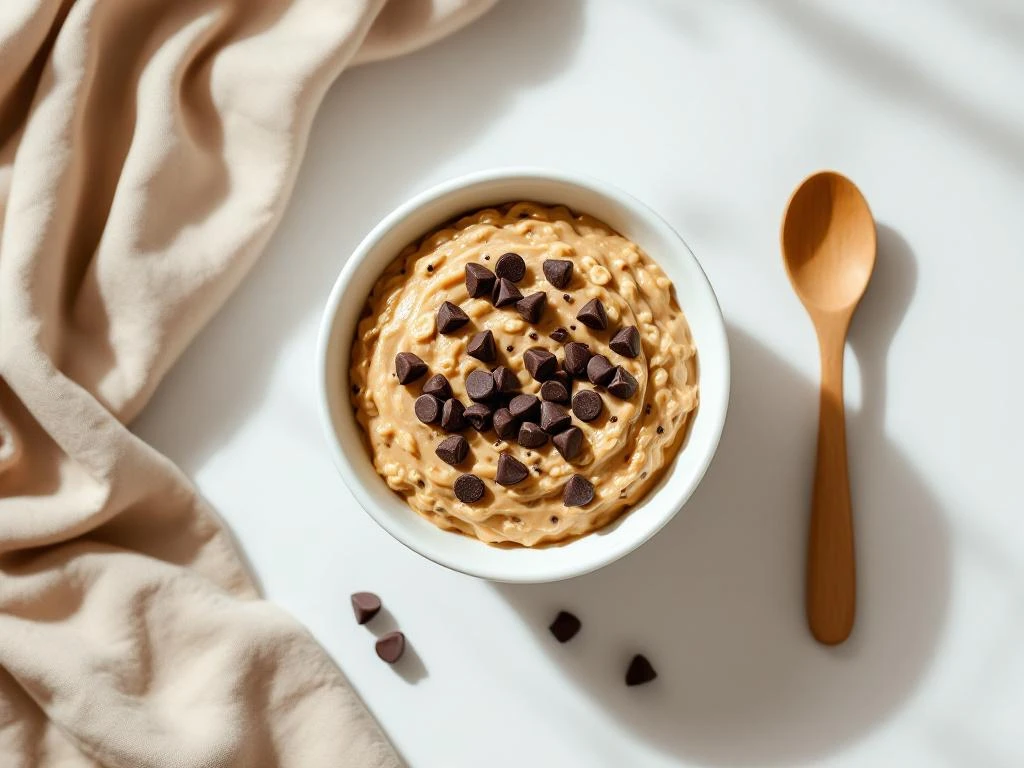
Finding a quick, satisfying breakfast that won’t upset your stomach can feel impossible when you’re managing IBS or digestive sensitivities. This peanut butter chocolate chip oatmeal recipe provides a delicious, gut-friendly solution that takes just 10 minutes to prepare. You’ll combine gluten-free oats with natural peanut butter and FODMAP-friendly chocolate chips for a breakfast that delivers sustained energy without triggering symptoms. The recipe serves one person and requires basic kitchen equipment you probably already own: a small saucepan or microwave-safe bowl, measuring cups, and a spoon. Whether you’re new to the low FODMAP diet or looking for more breakfast variety, this easy oatmeal recipe will become your morning staple.
Why this oatmeal works for sensitive stomachs
This low FODMAP oatmeal recipe follows strict guidelines to keep your digestive system comfortable while providing proper nutrition. Oats themselves are naturally low FODMAP in appropriate portions, and they contain soluble fibre that supports healthy digestion without causing irritation. The recipe uses a controlled portion size of 50 grams of dry oats, which stays well within safe FODMAP limits even during the elimination phase.
Natural peanut butter adds protein and healthy fats that slow down digestion and provide steady energy throughout your morning. Unlike processed peanut butters that contain high FODMAP ingredients like honey or inulin, natural peanut butter with just peanuts and salt remains gut-friendly. The combination of complex carbohydrates from oats and protein from peanut butter creates a balanced meal that keeps you full without the blood sugar spikes that can worsen IBS symptoms.
Dark chocolate chips in small amounts add sweetness and satisfaction without compromising your digestive comfort. The recipe specifies portions that remain within FODMAP thresholds, so you get the treat without the consequences. This balance makes the oatmeal feel indulgent while still supporting your dietary needs, which helps you stick with the low FODMAP approach long term.
Gather your low FODMAP ingredients
Start with 50 grams of certified gluten-free oats. Regular oats often contain traces of wheat from processing, which can trigger symptoms even if you don’t have coeliac disease. Look for packages specifically labelled gluten-free to ensure purity. Quick oats and rolled oats both work well for this recipe.
You’ll need 2 tablespoons of natural peanut butter without additives. Read the ingredient list carefully and choose brands that contain only peanuts and perhaps salt. Avoid any peanut butter with honey, molasses, inulin, or other sweeteners that can trigger digestive issues. Almond butter works as a substitute if you prefer, but stick to the same portion size.
Add 15 grams of dark chocolate chips, which equals roughly 1 tablespoon. Choose chocolate with at least 70% cocoa content and check that it doesn’t contain high FODMAP ingredients like milk powder or inulin. Many dark chocolate brands naturally fit low FODMAP requirements, but always verify the label.
For liquid, use 200ml of lactose-free milk or a low FODMAP plant milk like almond milk (made from almonds only, no additives). Rice milk and macadamia milk also work well. Avoid oat milk during the elimination phase, as it concentrates FODMAPs from oats.
Optional ingredients include a pinch of salt to enhance flavour and 1 teaspoon of maple syrup if you want extra sweetness. Maple syrup in small amounts remains low FODMAP and adds a pleasant depth to the oatmeal.
Ingredient substitutions
If you can’t tolerate peanut butter, try sunflower seed butter in the same quantity. Macadamia nut butter also works beautifully and stays within FODMAP limits. For the chocolate chips, you can substitute cacao nibs for a less sweet but equally satisfying option. Those following a completely dairy-free diet should double-check that chocolate chips contain no milk derivatives, as some dark chocolates still include butter or milk solids.
Prepare your peanut butter chocolate chip oatmeal
Measure your oats into a small saucepan or microwave-safe bowl. Pour in the lactose-free milk and add a pinch of salt. The liquid-to-oat ratio of 200ml to 50g creates a creamy consistency without being too thick or soupy. Adjust slightly based on your texture preference, but stay close to these proportions for best results.
Stovetop method
Place the saucepan over medium heat and stir occasionally as the mixture warms. The oats will start absorbing liquid after about 2 minutes. Continue stirring every 30 seconds to prevent sticking and ensure even cooking. After 5 minutes, the oats should be tender and the mixture should have thickened noticeably.
Remove the pan from heat and immediately stir in the peanut butter. The residual heat will melt it into the oatmeal, creating a creamy, evenly distributed texture. Mix thoroughly until you don’t see any separate streaks of peanut butter. Add the chocolate chips now and stir gently. Some will melt from the heat, while others will stay intact, giving you both melted chocolate flavour and chocolate chip texture.
Microwave method
Combine oats, milk, and salt in a large microwave-safe bowl. Use a bowl that holds at least 500ml to prevent overflow, as oatmeal expands and bubbles during cooking. Microwave on high power for 90 seconds, then carefully remove and stir. Return to the microwave for another 60 to 90 seconds, watching closely to ensure it doesn’t boil over.
When the oats look tender and have absorbed most of the liquid, remove from the microwave. Stir in the peanut butter until completely incorporated, then add the chocolate chips. Let the bowl sit for 1 minute before eating, as this allows the temperature to even out and the flavours to meld together.
Texture troubleshooting
If your oatmeal turns out too thick, add a splash of warm milk and stir well. The oats will loosen up immediately. Too thin? Let it sit for 2 minutes, as oats continue absorbing liquid even after cooking. You can also return it to the heat for 30 seconds to cook off excess moisture. The ideal consistency should be creamy and spoonable, similar to porridge, not watery or paste-like.
Customise with FODMAP-friendly toppings
Fresh blueberries make an excellent topping in portions up to 40 grams, providing antioxidants and a burst of sweetness. Strawberries work well too, with a safe serving of about 65 grams. Slice them thinly and arrange on top just before eating. Both berries add colour and nutrition without exceeding FODMAP limits.
A sprinkle of pumpkin seeds or sunflower seeds adds crunch and healthy fats. Use up to 2 tablespoons of either seed variety. They provide zinc and magnesium, which support overall digestive health. Chia seeds in small amounts (1 tablespoon maximum) offer omega-3 fatty acids and create an interesting texture as they soften in the warm oatmeal.
For extra sweetness, drizzle up to 1 tablespoon of maple syrup over the finished bowl. A light dusting of cinnamon adds warmth and depth without any FODMAP concerns. Ground ginger in tiny amounts can provide a subtle spice note, though use it sparingly as some people with sensitive stomachs react to strong spices.
Portion control for toppings
The key to keeping this breakfast low FODMAP is respecting portion sizes for each addition. While individual ingredients may be safe in small amounts, combining multiple toppings can push you over FODMAP thresholds. Choose two or three toppings maximum and measure them carefully. A kitchen scale helps ensure accuracy, especially when you’re still learning what portions work for your body.
Bananas become high FODMAP when ripe, but you can add a few slices of firm, unripe banana if you tolerate them. Start with just 3 to 4 thin slices to test your reaction. Coconut flakes (dried, unsweetened) work in small amounts of about 1 tablespoon, adding tropical flavour and texture.
Flavour variations
Transform your peanut butter chocolate chip oatmeal into different flavour profiles by adjusting add-ins. Swap peanut butter for almond butter and add a handful of raspberries for a berry-nut combination. Use cacao powder (1 teaspoon) mixed into the oats before cooking for a double-chocolate version. A drop of vanilla extract adds bakery-style warmth without any digestive concerns.
Make it feel like dessert by adding extra chocolate chips after cooking and a drizzle of melted dark chocolate on top. The additional chocolate should stay within 20 to 30 grams total to remain FODMAP-friendly. This turns your healthy oatmeal recipe into something that feels indulgent while still supporting your dietary needs.
This IBS-friendly oatmeal proves that eating for digestive health doesn’t mean sacrificing flavour or satisfaction. The recipe provides balanced nutrition, keeps you full until lunch, and takes less time than stopping for takeaway coffee. Make it part of your regular breakfast rotation and experiment with the suggested variations to keep things interesting. You’ll find that a FODMAP-friendly breakfast can be just as quick and delicious as any conventional option.
Peanut butter chocolate chip oatmeal
Cooking time: 10 minutes | Portions: 1
- 50g certified gluten-free oats (quick or rolled)
- 200ml lactose-free milk or low FODMAP plant milk
- 2 tablespoons natural peanut butter (only peanuts and salt)
- 15g dark chocolate chips (70% cocoa or higher)
- Pinch of salt
- Optional: 1 teaspoon maple syrup
Method:
- Combine oats, milk, and salt in a saucepan or microwave-safe bowl
- Cook on stovetop for 5 minutes with occasional stirring, or microwave for 2.5 to 3 minutes total
- Remove from heat and stir in peanut butter until fully incorporated
- Add chocolate chips and mix gently
- Top with blueberries, seeds, or additional toppings as desired
- Serve immediately while warm
Tips: Use a large bowl for microwave method to prevent overflow. Adjust milk quantity for preferred thickness. Measure toppings carefully to stay within FODMAP limits.
This recipe is for informational purposes only and is not medical or dietary advice. Please consult a healthcare professional before making any changes to your diet.