
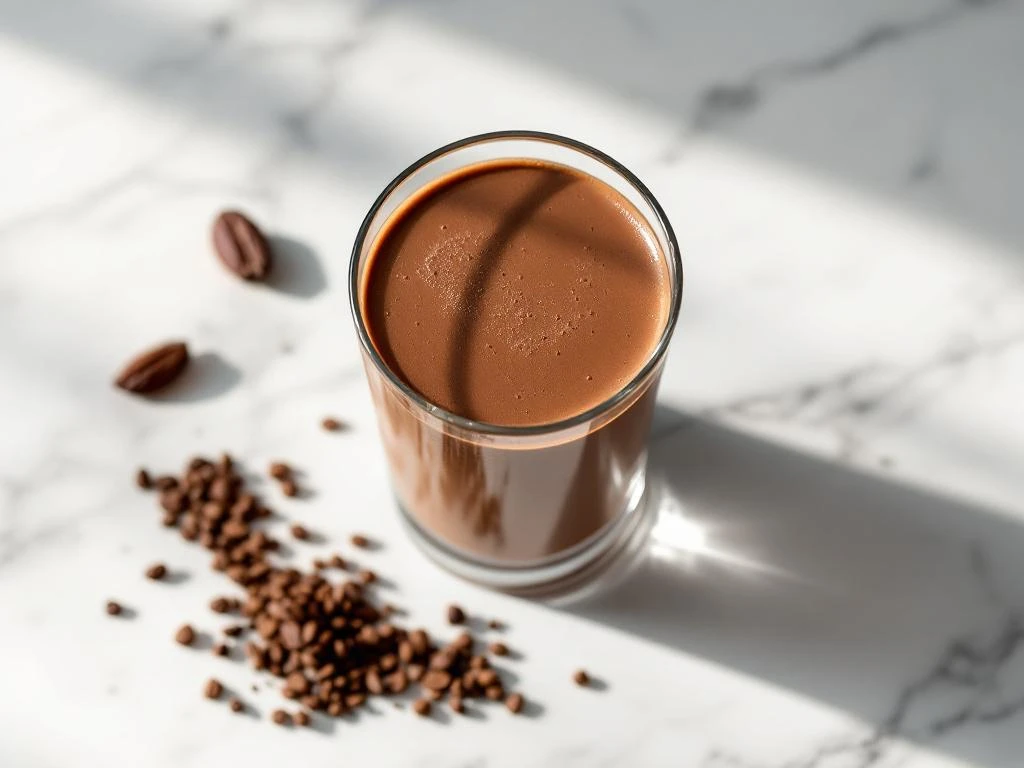
Making a delicious lactose-free chocolate protein shake at home takes just 5 minutes and gives you complete control over ingredients. This guide is perfect for beginners who want a digestive-friendly protein shake that tastes amazing without causing discomfort.
You’ll need a blender, lactose-free protein powder, cocoa powder, and a liquid base like lactose-free milk or almond milk. The recipe is simple enough for anyone to follow, even if you’ve never made a homemade protein shake before.
This IBS-friendly protein shake provides the nutrition you need without triggering digestive symptoms. You’ll learn exactly which ingredients work best for sensitive stomachs and how to customize the shake to match your taste preferences and dietary needs.
Why lactose-free protein shakes support digestive health
Lactose intolerance affects many people with IBS, making traditional dairy-based protein shakes difficult to digest. When your body can’t properly break down lactose, you experience bloating, gas, cramping, and other uncomfortable symptoms that defeat the purpose of a healthy protein shake.
A lactose-free protein shake eliminates this problem entirely. You get the protein your body needs without the digestive distress that comes from dairy lactose. This matters especially for those following a low FODMAP diet, where managing digestive triggers is essential for symptom control.
Protein needs don’t change just because you have food sensitivities. Your body still requires adequate protein for muscle maintenance, energy, and overall health. The challenge is finding sources that don’t aggravate your digestive system.
Homemade shakes offer significant advantages over shop-bought options. Commercial protein shakes often contain hidden FODMAPs like inulin, chicory root, or excess sugar alcohols. When you make your own dairy-free protein shake, you control every ingredient and avoid these common triggers.
Store-bought shakes also tend to be expensive and may include artificial flavours or preservatives that some sensitive stomachs don’t tolerate well. Making your own gluten-free protein shake costs less and lets you adjust sweetness, thickness, and flavour intensity to your exact preferences.
What ingredients do you need for this shake?
The foundation of any good chocolate protein shake starts with quality lactose-free protein powder. Look for brands that use whey protein isolate, which has virtually no lactose, or plant-based options like rice protein or pea protein. Check labels carefully to ensure they’re certified low FODMAP if you’re following that diet strictly.
Essential ingredients for one serving:
- 1 scoop (25-30g) lactose-free protein powder
- 1 tablespoon unsweetened cocoa powder
- 250ml lactose-free milk or almond milk
- 1 teaspoon maple syrup or a low FODMAP sweetener
- 4-5 ice cubes
For the liquid base, lactose-free cow’s milk provides a creamy texture and extra protein. Almond milk works well as a lighter option, though it contains less protein. Avoid coconut milk in large amounts as it can be high in FODMAPs beyond the low FODMAP serving size.
Choose unsweetened cocoa powder rather than drinking chocolate mixes, which often contain added milk solids and high FODMAP ingredients. Pure cocoa powder gives you rich chocolate flavour without digestive triggers.
Optional add-ins that remain low FODMAP:
- Half a small banana (unripe is better for FODMAP)
- 1 tablespoon peanut butter or almond butter (check serving sizes)
- 1 teaspoon chia seeds
- A pinch of salt to enhance chocolate flavour
- Quarter teaspoon vanilla extract
When selecting sweeteners, stick to maple syrup, glucose syrup, or table sugar in small amounts. Avoid honey, agave, and artificial sweeteners like sorbitol or mannitol, which can trigger IBS symptoms.
Prepare your lactose-free chocolate protein shake
Start by adding your liquid base to the blender first. This prevents the protein powder from sticking to the bottom and creating lumps. Pour in 250ml of lactose-free milk or your chosen alternative.
Add the cocoa powder next, followed by your sweetener. This order helps the dry ingredients mix more evenly. Drop in your ice cubes, which will give the shake a thick, creamy texture similar to a milkshake.
Scoop your lactose-free protein powder on top of the liquid. If you add powder directly to an empty blender, it tends to clump and stick to the sides. Adding it last solves this common problem.
Blending technique matters for texture:
- Blend on low speed for 10 seconds to combine ingredients
- Increase to high speed and blend for 20-30 seconds
- Stop and check consistency
- Blend another 10 seconds if needed for smoothness
Don’t over-blend your digestive-friendly protein shake. Blending for too long introduces air bubbles and can make the shake foamy rather than creamy. The total blending time should be under one minute.
Check the consistency by looking at how it pours. A perfect homemade protein shake should be thick enough to coat the glass slightly but thin enough to drink easily through a straw. If it’s too thick, add a splash more liquid and pulse briefly. If it’s too thin, add another ice cube or a bit more protein powder.
The chocolate flavour should be rich but not bitter. Cocoa powder can taste quite strong on its own. If your shake tastes too bitter, add a tiny bit more sweetener rather than more cocoa. Balance is key to making a shake you’ll actually want to drink.
Pour immediately after blending for the best texture. Protein shakes can separate or thicken if left sitting, especially those made with certain plant-based proteins.
Customize your shake for different dietary needs
Boosting protein content helps if you’re using your shake as a meal replacement or post-workout recovery drink. Add an extra half scoop of protein powder, but increase your liquid by about 50ml to maintain the right consistency. You can also add a tablespoon of peanut butter, which contributes both protein and healthy fats.
For a lower calorie version, use water or unsweetened almond milk instead of lactose-free cow’s milk. Skip the nut butter and use a zero-calorie sweetener that’s low FODMAP friendly. This creates a lighter shake that still delivers protein without extra calories.
Making your shake more filling turns it into a proper meal. Add half a small, slightly unripe banana for natural sweetness and extra fibre. Include a tablespoon of chia seeds, which absorb liquid and create a thicker, more satisfying texture. These additions keep you fuller for longer.
Flavour variations keep your low FODMAP protein shake interesting:
- Mint chocolate: Add a few drops of peppermint extract
- Mocha: Include a shot of cold espresso or strong coffee
- Chocolate peanut butter: Blend in a tablespoon of peanut butter
- Double chocolate: Add 10g of lactose-free dark chocolate chips
For extra nutrients without triggering symptoms, try adding a handful of spinach. It sounds odd in a chocolate shake, but you won’t taste it, and it provides vitamins and minerals. The cocoa powder completely masks the spinach flavour.
If you’re following strict gluten-free requirements alongside being lactose-free, verify that your protein powder is certified gluten-free. Most pure protein powders are naturally gluten-free, but cross-contamination can occur during manufacturing.
Some people need extra electrolytes, especially after exercise. Add a small pinch of salt to your shake. This enhances the chocolate flavour while replacing sodium lost through sweat.
Store and meal prep your protein shakes
Fresh is always best for protein shakes, but you can prepare them in advance with proper storage. Pour your prepared shake into an airtight container or bottle, filling it to the top to minimize air exposure. Store in the refrigerator for up to 24 hours.
Separation is normal when shakes sit in the fridge. The liquid and solids naturally separate over time. Give your container a good shake before drinking to recombine everything. The texture might be slightly different from fresh, but the taste and nutrition remain intact.
Batch preparation saves time during busy weeks:
- Measure dry ingredients (protein powder, cocoa, sweetener) into individual containers or bags
- Store these pre-portioned mixes in your cupboard
- When ready to drink, just add liquid and ice, then blend
- This method keeps ingredients fresh while cutting prep time
Avoid pre-blending multiple shakes at once. Protein shakes lose quality after 24 hours in the fridge. The texture becomes grainy and the flavour deteriorates. Preparing dry ingredient portions works better than making several blended shakes.
For portable options, invest in a good quality shaker bottle with a secure lid. These bottles let you mix a shake without a blender when you’re at work or travelling. Mix your dry ingredients at home, carry them in the bottle, then add cold liquid when you’re ready to drink. Shake vigorously for 30 seconds to combine.
Freezing protein shakes works in a pinch but affects texture. If you must freeze, leave space at the top of the container as liquid expands when frozen. Thaw in the refrigerator overnight, then shake well before drinking. The texture will be more watery than fresh, but it’s still drinkable.
Ice cube trays offer another meal prep option. Blend your shake, pour into ice cube trays, and freeze. When you want a shake, pop out the cubes and re-blend with a small amount of fresh liquid. This method maintains better texture than freezing a full shake.
Glass containers work better than plastic for storage. They don’t absorb odours or stains from the cocoa powder and are easier to clean thoroughly. Mason jars with tight-fitting lids are perfect for refrigerator storage.
Always label your containers with the date you made the shake. This helps you track freshness and ensures you drink shakes within the safe 24-hour window. After that timeframe, the protein can start to degrade and bacteria growth becomes a concern.
Lactose-free chocolate protein shake
Preparation time: 5 minutes | Servings: 1
Ingredients:
- 1 scoop (25-30g) lactose-free protein powder
- 1 tablespoon unsweetened cocoa powder
- 250ml lactose-free milk or almond milk
- 1 teaspoon maple syrup
- 4-5 ice cubes
- Optional: pinch of salt, vanilla extract, or peanut butter
Instructions:
- Pour lactose-free milk into blender
- Add cocoa powder and maple syrup
- Drop in ice cubes
- Add protein powder on top
- Blend on low for 10 seconds
- Increase to high speed and blend for 20-30 seconds
- Check consistency and adjust if needed
- Pour and enjoy immediately
Tips:
- Add liquid first to prevent protein powder from clumping
- Don’t over-blend or the shake becomes foamy
- Adjust thickness with more ice or liquid as needed
- Drink fresh for best texture and taste
- Store in fridge for up to 24 hours if needed
This recipe is for informational purposes only and is not medical or dietary advice. Please consult a healthcare professional before making any changes to your diet.